
Glutathione cream with mulethi (licorice) powder: a face pack routine that does not overload your skin
Can you use a mulethi face pack with glutathione cream? Yes, as a rinse-off pack on a separate night or before the cream, never mixed in the jar. What kitchen mulethi can and cannot do, a simple pack and retinol-night rules.
Can I use mulethi with glutathione cream?
Yes, if you keep them separate. Use a mulethi (licorice root) powder pack as a short rinse-off step, wash it off, pat dry and then apply your glutathione cream. Do not stir the powder into the cream jar, and with a retinol night cream, keep the pack to nights you are not using it.
Can mulethi powder change skin colour?
No home powder changes your natural skin colour. Licorice root extract is used in many brightening cosmetics to help skin look more even, but kitchen mulethi powder is not a measured extract and its effect is mild at most. Daily sunscreen matters far more for tan and spots.
How often can I use a mulethi face pack?
Once or twice a week is plenty. Leave it on for about 10 minutes, rinse with lukewarm water and moisturise. Stop if your skin stings, itches or turns red, and always patch test first.
You can use mulethi (licorice root) powder with glutathione cream, as long as the mulethi is a short rinse-off face pack and the cream goes on afterwards on clean, dry skin. Never stir the powder into the cream jar, and if your glutathione cream contains retinol or salicylic acid, use the pack on nights you skip that cream.
Mulethi, also called yashtimadhu or jethimadh, is a sweet root found in most Indian homes and ayurvedic shops, usually for sore throats and in home face packs. Licorice root extract is a well-known cosmetic ingredient in products for a more even-looking skin tone. Kitchen mulethi powder, though, is not the same as a measured, purified extract, so treat a home pack as a gentle extra, not as a treatment for spots.
What a mulethi pack can and cannot do
| What it can do | What it cannot do | |
|---|---|---|
| Feel | Leave skin feeling clean and soft when mixed with rose water or curd | Replace your moisturiser or sunscreen |
| Even-looking tone | Possibly a mild help over many weeks, alongside sunscreen | Match a cosmetic cream with a measured licorice extract |
| Tan and dark spots | Little on its own | Remove tan, melasma or deep marks |
| Skin colour | Nothing | Make skin "gora" or change natural skin colour |
A simple mulethi face pack
- Patch test first: a little paste behind the ear or on the jawline for 10 minutes, then watch for 24 hours.
- Mix about half a teaspoon of mulethi powder with enough rose water, plain curd or aloe vera gel to make a smooth paste. Skip lemon, baking soda or toothpaste.
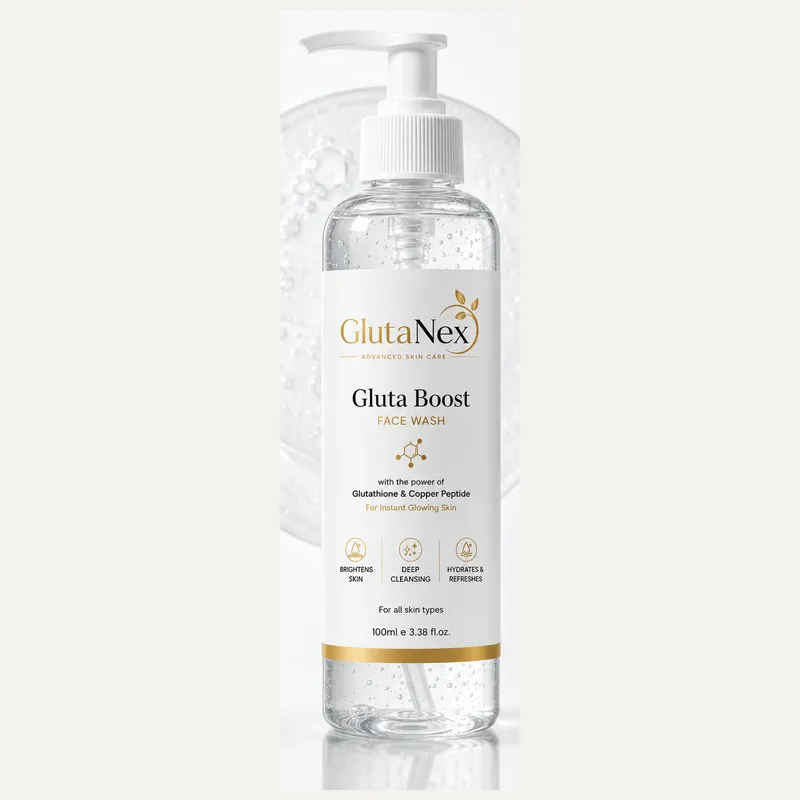
- Wash your face with a gentle face wash such as Gluta Boost Face Wash.
- Apply a thin layer, avoiding the eyes and lips.
- Leave it on for about 10 minutes; do not let it dry and crack for long.
- Rinse with lukewarm water using your fingertips, without scrubbing.
- Pat dry, then moisturise or apply your glutathione cream if it is not a retinol night (see below).
Once or twice a week is enough. For more home pack ideas that pair well, see multani mitti, besan and curd with glutathione cream, and rose water with glutathione cream.
How to fit it around a retinol night cream
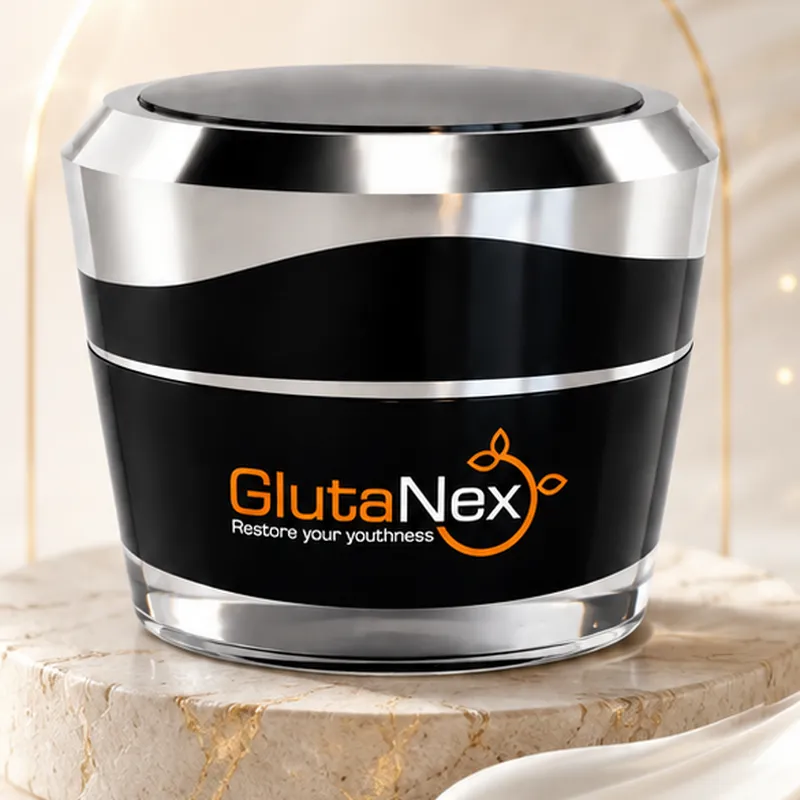
GlutaNex Glutathione Night Cream contains glutathione, niacinamide, hyaluronic acid, vitamin C, retinol, ceramides, salicylic acid, peptides, aloe vera, turmeric and neem. It is a night-only face cream, started 2 to 3 nights a week, with sunscreen every morning. Packs, even gentle ones, can make retinol nights feel stronger, so plan the week:
| Night | What to do |
|---|---|
| Mon | Night Cream |
| Tue | Plain moisturiser only |
| Wed | Mulethi pack, then plain moisturiser |
| Thu | Night Cream |
| Fri | Plain moisturiser only |
| Sat | Night Cream |
| Sun | Rest night or plain moisturiser |
If you use a glutathione cream without retinol or acids, you can apply it straight after the pack on the same night. More on timing in how to use glutathione cream and glutathione night cream with retinol.
Mulethi powder vs licorice in a cream
People often ask whether a mulethi pack does the same job as a cream that lists licorice. It does not, for three plain reasons:
- Strength: a cosmetic cream uses a prepared extract in a set amount; a spoon of powder varies from pack to pack.
- Contact time: a pack stays on for 10 minutes and is rinsed off; a leave-on cream sits on the skin all night.
- Freshness: a sealed, preserved cream stays stable; home paste is made fresh and must be thrown away after use.
So enjoy the pack for how it makes your skin feel, and rely on steady basics for tone: sunscreen every morning, a gentle cleanser and a well-made leave-on cream used for at least 8 to 12 weeks. Our guide to glutathione for pigmentation explains realistic timelines.
Who should skip or be careful
- Sensitive or reactive skin: herbal powders can itch; patch test and keep it short. See glutathione cream for sensitive skin.
- Active pimples, cuts, or freshly waxed or threaded skin: wait until the skin has settled.
- Pregnancy or breastfeeding, or a known skin condition: ask your doctor before trying new packs; this is about putting it on skin, not eating it.
- Melasma or patches that keep spreading: see a dermatologist instead of trying home packs; read glutathione for melasma.
Buying mulethi powder
- Choose a sealed pack that lists only licorice root (Glycyrrhiza glabra), with a use-by date.
- Skip packs with added colour, perfume or "whitening" promises; those are red flags.
- Store it dry and closed; damp powder can grow mould.
Mistakes to avoid
- Mixing mulethi or any powder into the cream jar.
- Using a pack and a retinol cream on the same night in the first weeks.
- Scrubbing the dried pack off.
- Adding lemon "for extra effect"; see glutathione cream with lemon.
- Skipping sunscreen and expecting the pack to fade tan.
When to see a dermatologist
See a dermatologist if a pack causes burning, swelling or a rash, if dark patches keep spreading, or if spots do not look any lighter after a few months of steady sunscreen and skincare.
General information about cosmetic skincare, not medical advice. Results vary from person to person. See a dermatologist for persistent or changing pigmentation.
More glutathione guides
Glutathione: what it is, what it does for skin, and how to use it safely
The complete guide: what glutathione is, how it affects skin, every form compared, and the research.
GuideGlutathione cream for stretch marks: what it can and cannot do
Will glutathione cream remove stretch marks? No cream removes them. What stretch marks are, what helps them look softer over time, why GlutaNex Night Cream is not a stretch-mark cream, and when to see a dermatologist.
GuideDerma roller with glutathione cream: is it safe, and what to use instead
Should you use a derma roller with glutathione cream? Not with a retinol or acid cream. Why rolling plus actives irritates, how long to wait, home roller safety and what to put on skin after rolling.
 Night Cream
 Face Wash
 Glow Duo
 Shower Gel
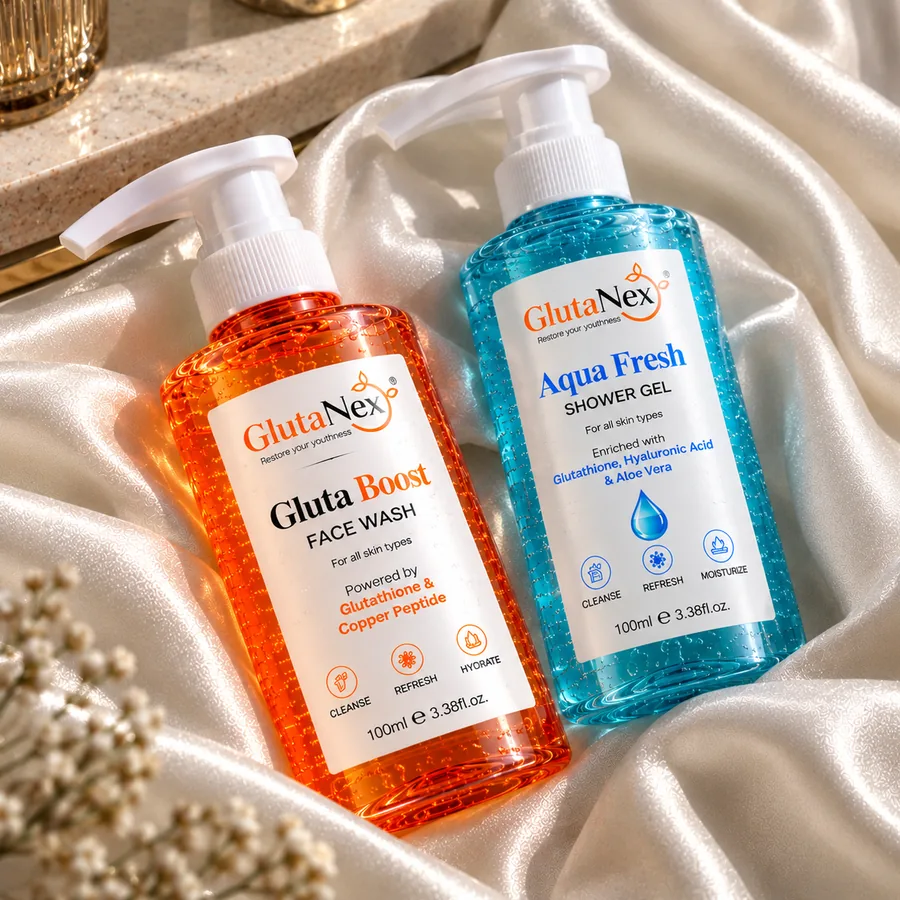 Wash + Gel Combo
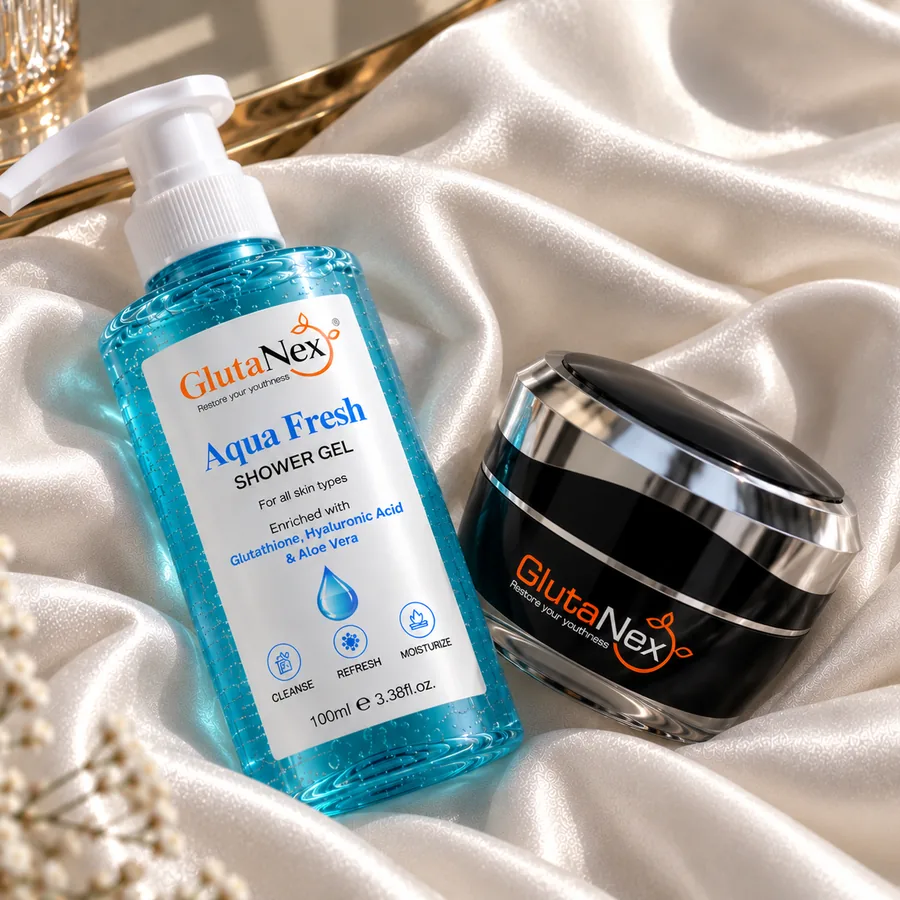 Cream + Gel Combo
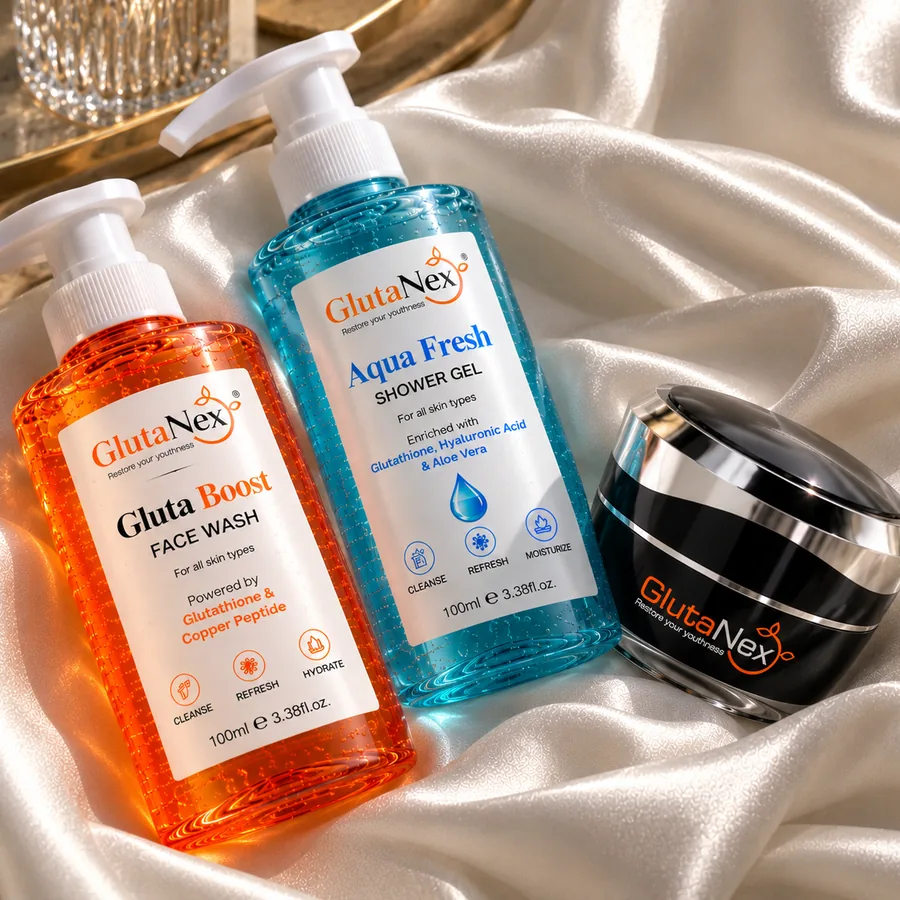 Glow Trio