
Rose water with glutathione cream: can you use both, and in what order?
Can you use rose water with glutathione cream? The right order, how long to wait, what to avoid mixing in, and a simple night routine for Indian skin.
Can I use rose water with glutathione cream?
Yes. Rose water is a light toner and does not stop glutathione cream from working. Splash or spray it on clean skin after face wash, let it dry for about a minute, then apply a pea-sized amount of glutathione cream. Choose plain rose water without alcohol or strong perfume.
Should I apply rose water before or after glutathione cream?
Before. Rose water is thin and watery, so it goes on first, straight after cleansing. The cream goes on last so it can sit on the skin overnight. Spraying rose water on top of the cream only dilutes it and can make it slide around.
Does rose water with glutathione cream make skin fair?
No. Neither changes your natural skin colour. Rose water is a refreshing toner. A glutathione cream, used with sunscreen every morning, can help skin look brighter and help tan and dark marks look lighter slowly, over 8 to 12 weeks.
Yes, you can use rose water with glutathione cream. Apply rose water first, on clean skin straight after face wash, let it dry for about a minute, and then apply a pea-sized amount of glutathione cream. Rose water is a light, refreshing toner; it does not cancel or boost the cream.
Gulab jal is in almost every Indian home, so it is natural to want to keep it in your routine. Here is the right order, what kind of rose water to use, what not to mix in, and how the two fit around a night cream with retinol and salicylic acid.
The right order: rose water first, cream last
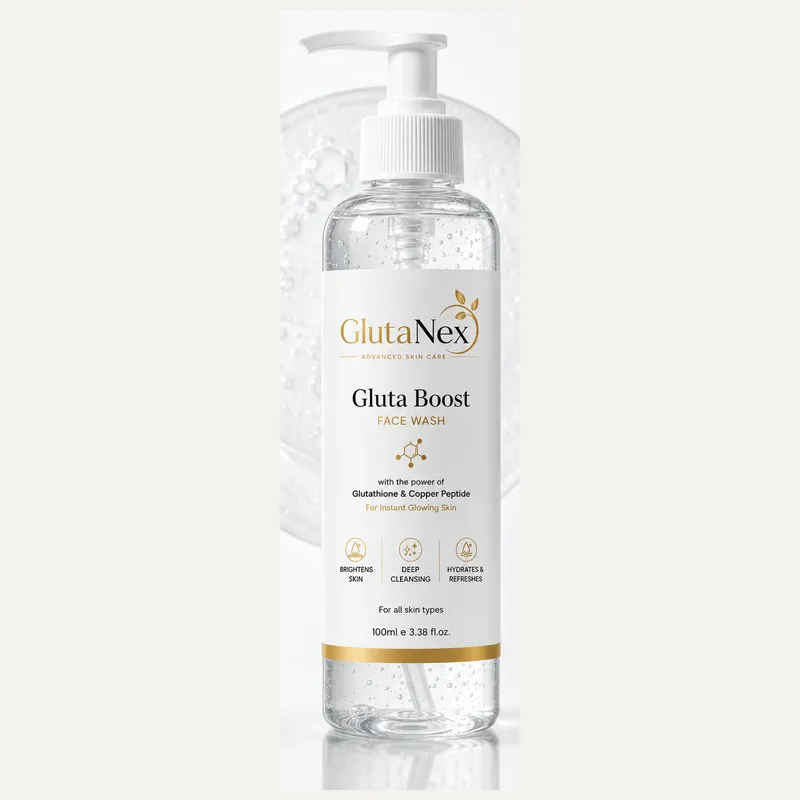
- Cleanse with a gentle face wash and lukewarm water. Gluta Boost Face Wash is made for this step.
- Pat dry with a clean towel, leaving the skin slightly damp.
- Rose water: spray it from about 20 cm away, or press it on with clean fingers or a cotton pad. Do not rub.
- Wait about a minute until the face no longer feels wet.
- Glutathione cream: a pea-sized amount, dotted on the forehead, cheeks and chin, then spread in gentle upward strokes. Keep it away from the eyes and lips.
- In the morning: rose water again if you like, a light moisturiser, and sunscreen, SPF 30 or higher.
For the full basics, read how to use glutathione cream.
What rose water does, and what it does not
| Rose water can | Rose water cannot |
|---|---|
| Refresh the face and remove the last traces of face wash or a face pack | Replace a moisturiser; skin often feels tighter later without a cream |
| Feel cooling in summer and after a commute | Remove tan, dark spots or pigmentation |
| Make a slightly damp base so cream spreads easily | Change your natural skin colour or make a cream work faster |
How to choose a rose water
- Read the label. Look for rose water or rose distillate high on the list.
- Avoid alcohol high on the list and strong added perfume, especially on dry or sensitive skin.
- Keep it clean. Close the cap, do not dip fingers into the bottle, and stop using it if the smell changes.
- Patch test a new rose water on the jawline before using it on the whole face. Rose is a fragrance and some people react to it.
What not to mix with rose water and glutathione cream
- Lemon juice, baking soda or toothpaste: these irritate skin and do not help tone. Never add them to rose water.
- Glycerine on oily skin in humid weather: the old rose water and glycerine mix can feel sticky and heavy under a night cream. A thin layer of cream alone is enough.
- Another strong active the same night: if your cream has retinol or salicylic acid, do not add a peel, scrub or extra acid toner. Read glutathione and salicylic acid.
- Rose water sprayed on top of the cream: it waters the cream down. If your face feels dry later, add a plain moisturiser instead; see glutathione cream and moisturizer.
Rose water myths you may hear
- "Rose water opens pores so the cream goes deeper." Pores do not open and close like doors. Rose water simply leaves the skin slightly damp, which helps a cream spread evenly.
- "Rose water and glutathione together remove tan in a week." No toner or cream does that. Tan and dark marks can look lighter slowly, over weeks, and only with sunscreen every morning. See glutathione for dark spots and tan.
- "More rose water means more glow." A few sprays are enough. Soaking the face just dilutes the cream that follows.
- "Rose water can replace face wash at night." It cannot lift sunscreen, sweat and city dust. Cleanse first, then use rose water.
Using it with GlutaNex Night Cream
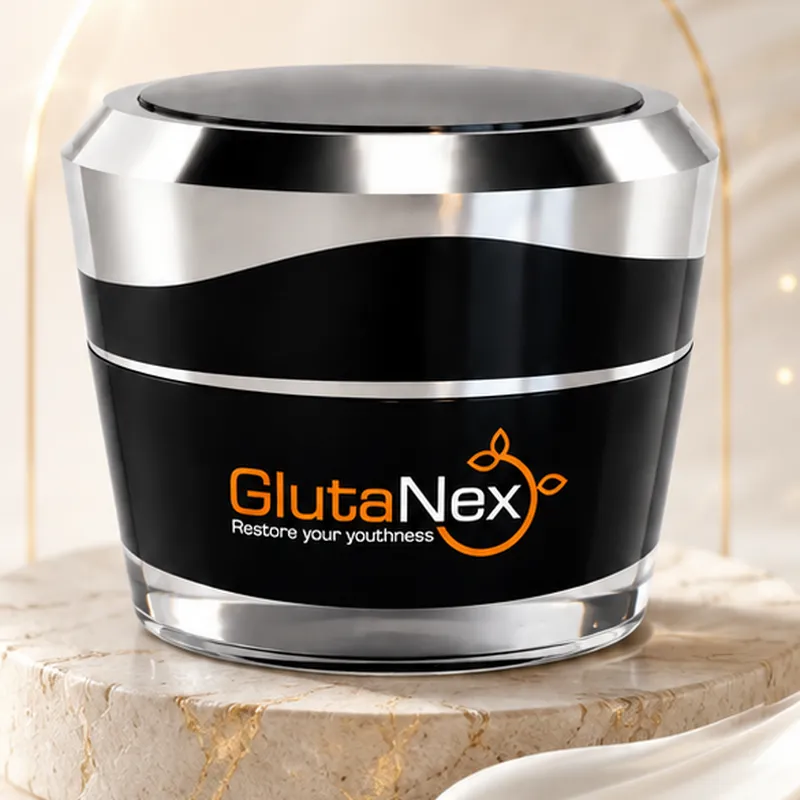
GlutaNex Glutathione Night Cream contains retinol and salicylic acid along with glutathione, niacinamide, vitamin C, hyaluronic acid, ceramides and peptides, so it is for night use only. Start it 2 to 3 nights a week. Rose water before it is fine on those nights. On the nights in between, rose water followed by a simple moisturiser is a good rest routine.
If rose water ever stings after you start the cream, your skin may be a little sensitive from the retinol. Skip the rose water for a week, keep the cream to fewer nights, and see glutathione cream burning for what is normal and what is not.
Adjusting for your skin type and the season
| Skin or season | Rose water routine |
|---|---|
| Oily skin, summer, humid months | Rose water, then a thin layer of cream. Keep it light; see glutathione for oily skin. |
| Dry skin, winter, AC rooms | Rose water on damp skin, cream straight after, plain moisturiser on top if still tight. |
| Sensitive skin | Fragrance-free routine first; add rose water later, one change at a time. |
| After a face pack | A splash of rose water to rinse, then a simple cream; keep retinol nights separate. |
Whatever you add, the slow part is tone: expect 8 to 12 weeks of steady use with sunscreen. Read how long glutathione takes to work.
General information about cosmetic skincare, not medical advice. Results vary from person to person. See a dermatologist for persistent or changing pigmentation.
More glutathione guides
Glutathione: what it is, what it does for skin, and how to use it safely
The complete guide: what glutathione is, how it affects skin, every form compared, and the research.
GuideGlutathione cream with multani mitti: can you use both, and in what order?
Can you use a multani mitti face pack with glutathione cream? What the clay does, which nights to use each, what not to mix in, and a weekly plan for Indian skin.
GuideGlutathione cream for pigmentation around the mouth: causes and safe use
Dark skin around the mouth is common in India. Why it happens, whether a glutathione cream can help it look lighter, how to apply near the lips safely, and when to see a doctor.
 Night Cream
 Face Wash
 Glow Duo
 Shower Gel
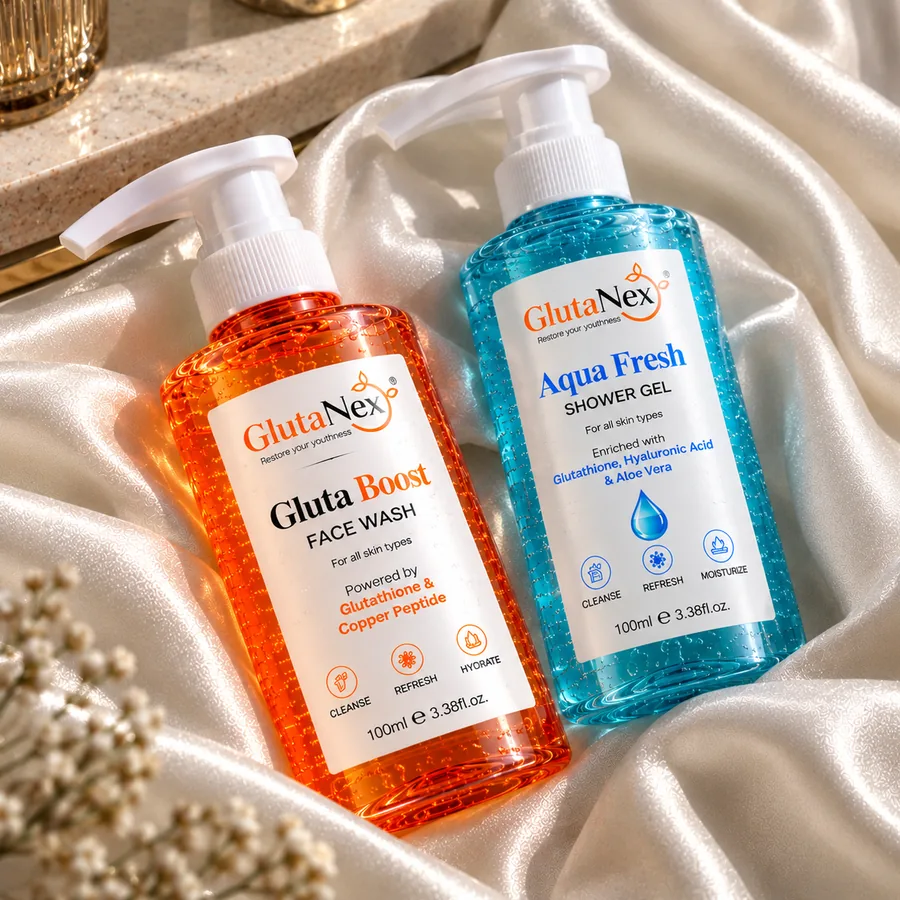 Wash + Gel Combo
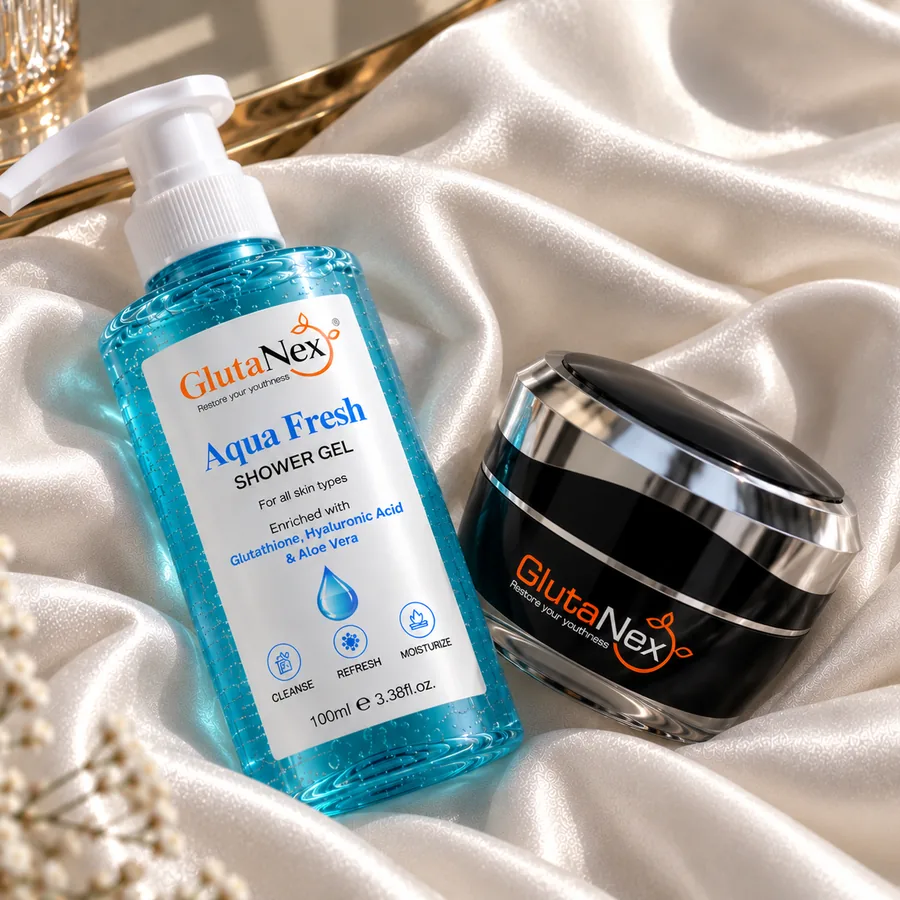 Cream + Gel Combo
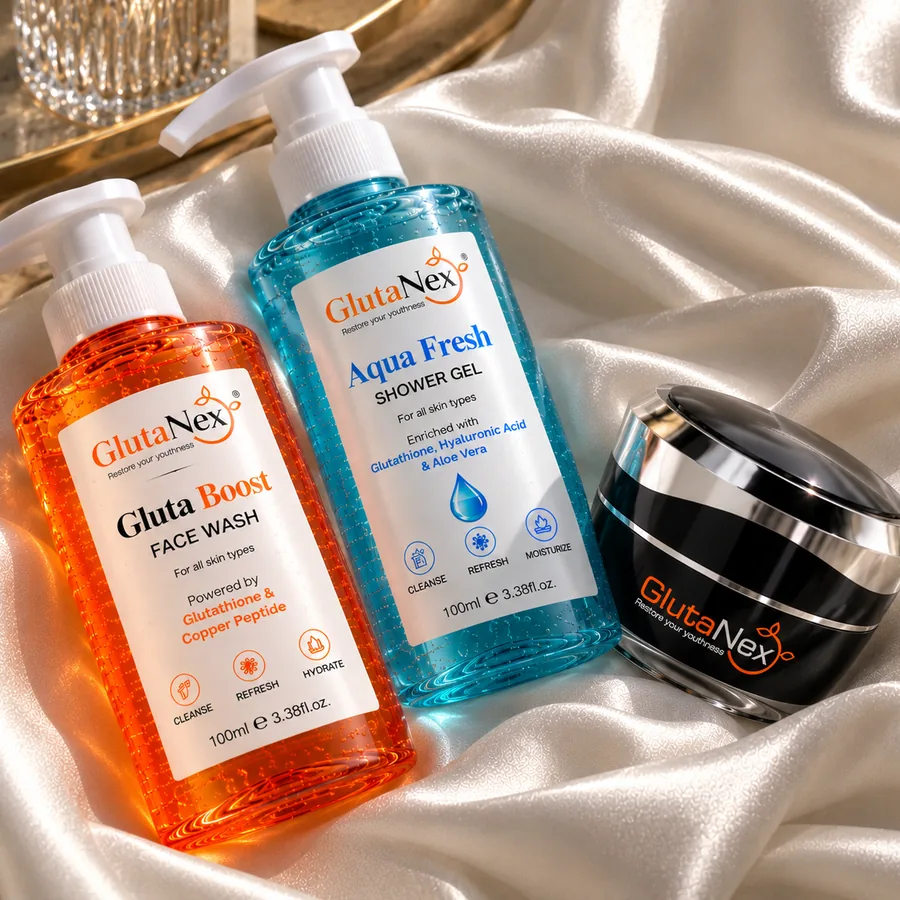 Glow Trio