
Derma roller with glutathione cream: is it safe, and what to use instead
Should you use a derma roller with glutathione cream? Not with a retinol or acid cream. Why rolling plus actives irritates, how long to wait, home roller safety and what to put on skin after rolling.
Can I use a derma roller with glutathione cream?
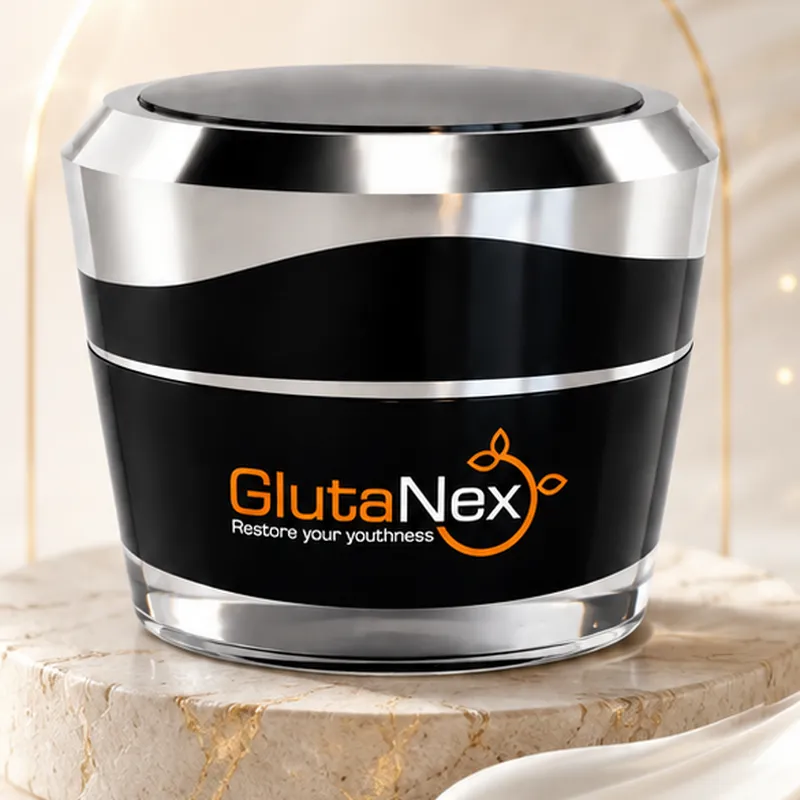
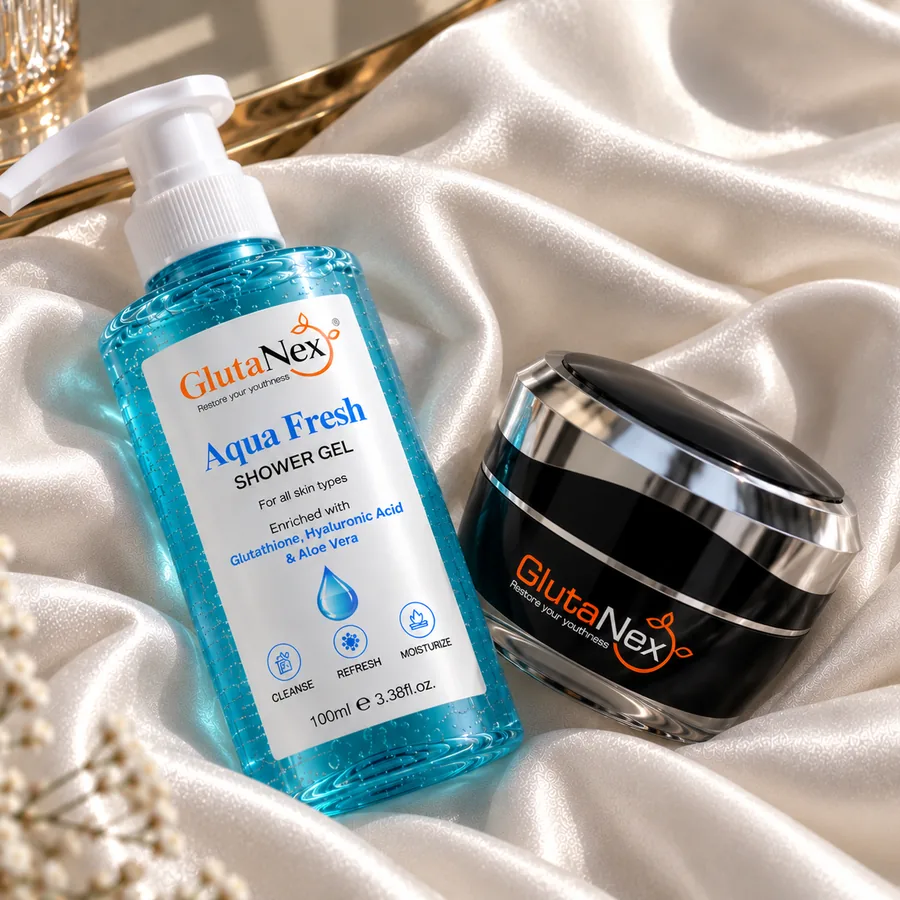
Not with a cream that has retinol, salicylic acid or vitamin C, like GlutaNex Night Cream. Rolling opens tiny channels in the skin, so strong actives can sting, redden and irritate. After rolling, use only a plain, fragrance-free moisturiser and wait until the skin is fully calm before going back to active creams.
How long after derma rolling can I use glutathione night cream?
Wait until your skin no longer feels sore, pink or tight, usually at least three to five nights, and longer if it is still sensitive. Then restart on alternate nights. If it was done in a clinic, follow the aftercare your dermatologist gives you.
Does a derma roller help glutathione work better?
Pushing more of an active into the skin is not the same as better results; it mostly raises the chance of irritation. Steady use of the cream on intact skin, with daily sunscreen, is safer for helping dark spots and tan look lighter over weeks.
Do not use a derma roller together with a glutathione cream that contains retinol, salicylic acid or vitamin C, such as GlutaNex Night Cream. Rolling makes many tiny openings in the skin, so strong actives get in faster and are far more likely to sting, redden and irritate; after rolling, use only a plain moisturiser and wait until the skin is fully calm before going back to your active cream.
Derma rollers are sold cheaply online with the promise that serums and creams will "absorb ten times better". For mild, short needles that may be partly true, but more absorption of a strong cream is the problem, not the goal. Here is how to think about it.
What a derma roller does
A derma roller is a small roller covered in fine needles. Rolling it over the face makes tiny punctures in the top layer of skin. In a clinic, a dermatologist uses deeper needling, under sterile conditions, to help with acne scars and texture. At home, rollers are meant to be much shorter and gentler. Either way, for a while after rolling, the skin barrier is open and more reactive than usual.
| Home roller (short needles) | Clinic microneedling | |
|---|---|---|
| Who does it | You | Dermatologist or trained staff |
| Hygiene | Depends on you cleaning and replacing it | Sterile, single-use needles |
| Main risk | Irritation, infection, rough technique, using it too often | Short-term redness; clinic manages aftercare |
| Actives afterwards | Skip strong actives until skin is calm | Follow the clinic's aftercare exactly |
Why rolling and active creams do not mix
- Retinol already causes dryness and peeling in the first weeks; on freshly rolled skin it can burn and peel much more.
- Salicylic acid is an exfoliant; on open skin it stings and can leave raw patches.
- Vitamin C, fragrance and essential oils are more likely to irritate when the barrier is open.
- Irritation can leave dark marks on Indian skin. Pushing a brightening cream in hard can end with more uneven tone, not less.
Our glutathione cream burning guide explains how to tell normal tingling from irritation, and glutathione night cream with retinol covers how retinol behaves.
If you still use a home roller: a safer order
- Choose short needles meant for home use, and never roll over active pimples, cold sores, cuts, sunburn, eczema or warts.
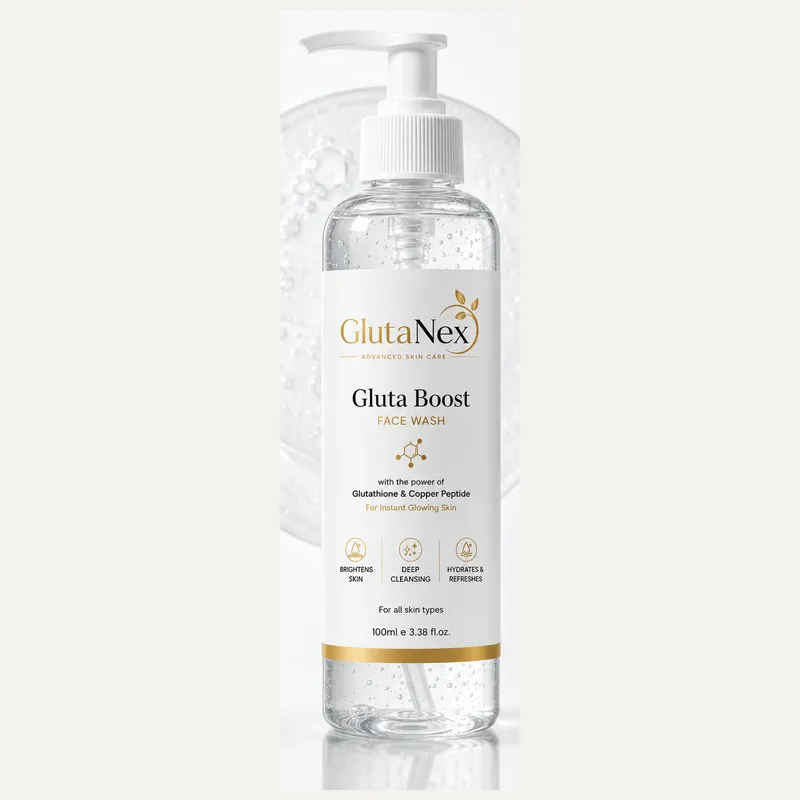
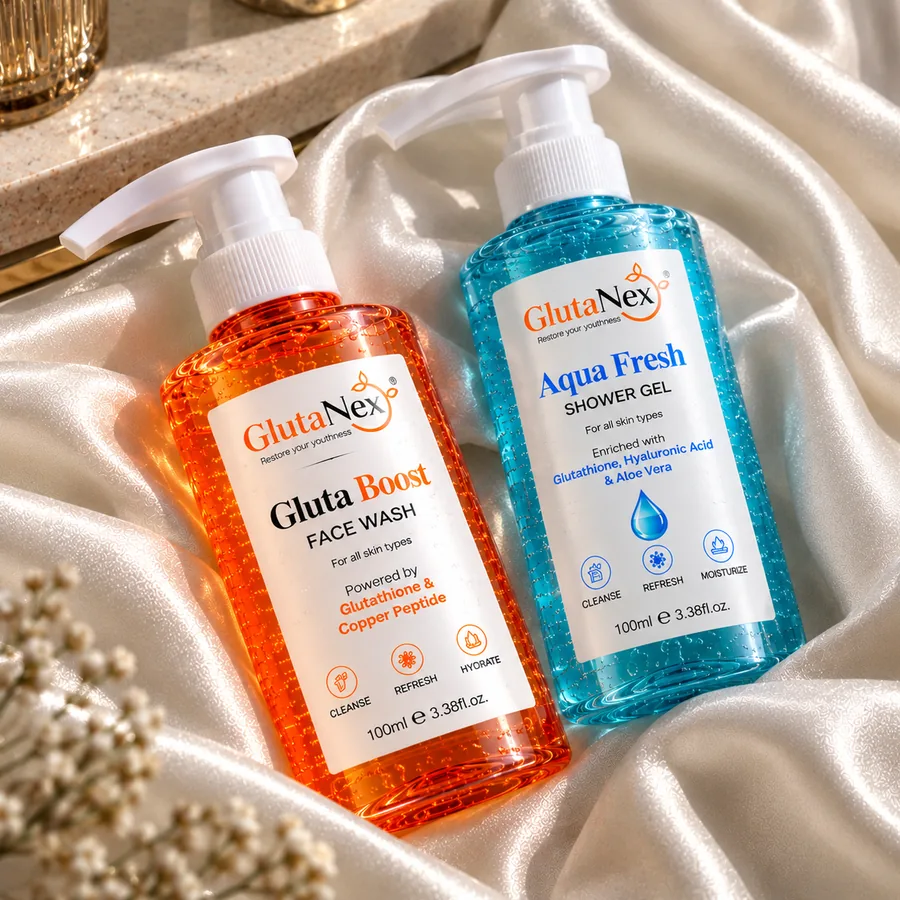
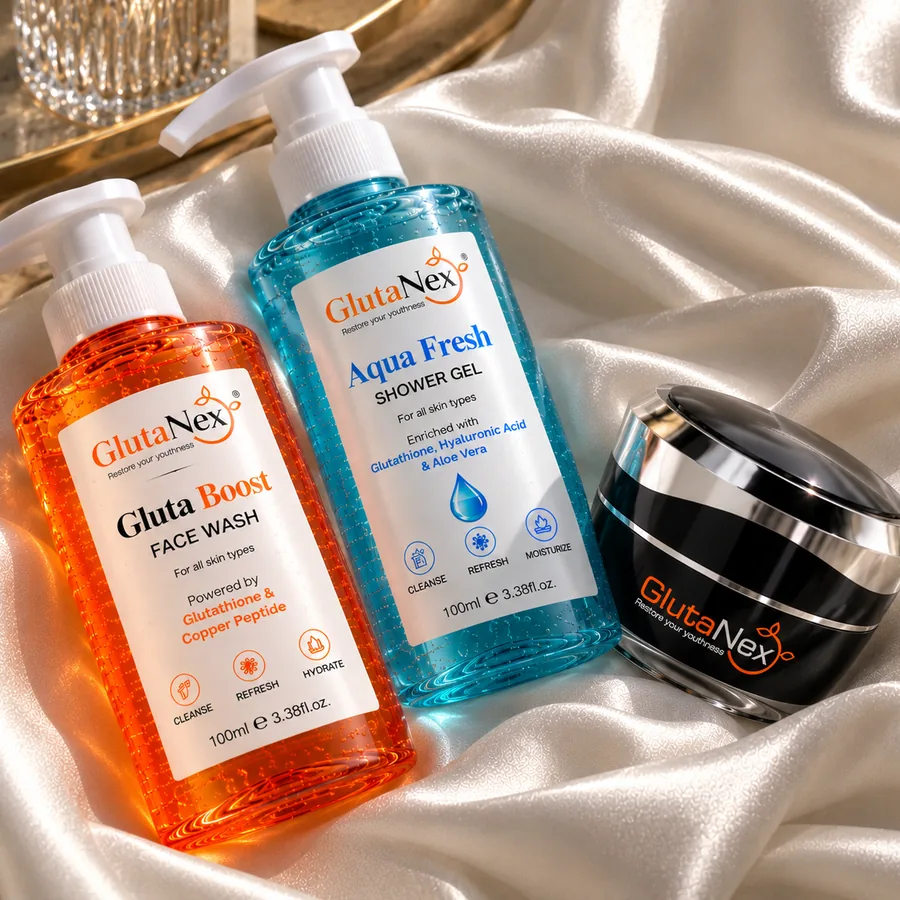
- Clean the face with a gentle face wash such as Gluta Boost Face Wash and pat it dry.
- Clean the roller before and after, as its instructions say, let it dry and store it in its case. Never share it. Replace it when the needles look bent or dull.
- Roll lightly, a few passes in each direction, avoiding the eyes and lips. It should not bleed.
- Afterwards, use only a plain, fragrance-free moisturiser or a simple hyaluronic acid or aloe gel with no acids or fragrance.
- Skip GlutaNex Night Cream and other actives for at least three to five nights, longer if skin is still pink, sore or tight.
- Sunscreen every morning, and stay out of strong sun for a few days.
- Do not roll often. Give skin weeks, not days, between sessions.
When to restart your glutathione cream
Restart when your skin looks and feels normal again: no redness, no stinging when you wash, no tight or flaky patches. Then:
- Use GlutaNex Glutathione Night Cream on alternate nights for the first week, a pea-sized amount on dry skin.
- If anything stings, wash it off and wait a few more nights.
- Do not roll again on the same night you use a retinol or acid cream, ever.
The full routine is in how to use glutathione cream.
Who should not derma roll at home
- Anyone with active acne, rosacea, eczema or very sensitive skin
- People who form keloids or raised scars easily
- Anyone using prescription acne medicines, especially isotretinoin tablets, unless their doctor agrees
- Pregnancy, or right after a facial peel, waxing or threading on that area
After hair removal, see glutathione cream after waxing and threading for wait times.
Gentler ways to get a smoother look
You do not need needles for brighter-looking skin. A steady routine works for most people: gentle cleansing, a pea-sized amount of your night cream on intact skin a few nights a week, moisturiser and daily sunscreen. For texture and pores, see glutathione for open pores; for a relaxing tool, gua sha with glutathione cream is a no-needle option. For acne scars, a dermatologist can tell you whether clinic microneedling or other procedures suit you; read glutathione for acne marks for the difference between marks and scars.
When to see a dermatologist
See a dermatologist if rolling leaves skin raw, swollen, crusted or with pus-filled bumps, if redness lasts more than a few days, or if you want help with acne scars; deeper needling belongs in a clinic.
General information about cosmetic skincare, not medical advice. Results vary from person to person. See a dermatologist for persistent or changing pigmentation.
More glutathione guides
Glutathione: what it is, what it does for skin, and how to use it safely
The complete guide: what glutathione is, how it affects skin, every form compared, and the research.
GuideGlutathione cream after a chemical peel: when to restart and what to use
Can you apply glutathione cream after a chemical peel? Not straight away. How long to wait after light and deeper peels, what to use on peeling skin, and how to restart a retinol night cream safely.
GuideGlutathione cream after laser hair removal: how long to wait
Can you use glutathione cream after laser hair removal? Wait until the skin is calm. When to stop before a session, when to restart after, what to apply on lasered skin and how to avoid dark marks.
 Night Cream
 Face Wash
 Glow Duo
 Shower Gel
 Wash + Gel Combo
 Cream + Gel Combo
 Glow Trio