
Glutathione cream after a chemical peel: when to restart and what to use
Can you apply glutathione cream after a chemical peel? Not straight away. How long to wait after light and deeper peels, what to use on peeling skin, and how to restart a retinol night cream safely.
Can I apply glutathione cream after a chemical peel?
Not straight away. Freshly peeled skin is raw and sensitive, so skip glutathione creams with retinol, acids or vitamin C until peeling and redness have fully settled, usually about a week after a light peel and longer after a deeper one. Your dermatologist's aftercare instructions come first.
What should I apply on my face after a chemical peel?
A gentle cleanser, a plain fragrance-free moisturiser and a broad-spectrum sunscreen every morning, plus anything your dermatologist prescribed. Do not pick or scrub the flakes, and avoid lemon, scrubs, toners with alcohol and other home remedies on peeling skin.
How long after a peel can I use a retinol night cream?
Most people wait until the skin has stopped flaking and no longer stings, often 5 to 7 days after a light peel, then restart slowly. After medium or deeper peels the gap is longer; ask the clinic that did your peel for your exact date.
Do not apply glutathione cream straight after a chemical peel. A peel deliberately removes the top layer of skin, so for the next several days your face needs a gentle cleanser, a plain moisturiser and sunscreen, not a night cream with retinol or salicylic acid; most people can restart about a week after a light peel, once flaking and stinging have stopped.
This guide covers peels done in a dermatologist's clinic or a good salon (glycolic, lactic, salicylic, mandelic and similar "light" peels) and also at-home peel products. For deeper peels, follow your doctor's aftercare sheet; it overrides anything here.
Why the wait matters
A chemical peel uses an acid to loosen and shed old surface cells. For a few days afterwards the protective outer layer of skin is thinner and more reactive. Putting more active ingredients on top at this stage can sting, cause redness and dryness, and on Indian skin that irritation can leave brown patches (post-inflammatory pigmentation) that last longer than the peel's benefits. That is the opposite of what most people get a peel for.
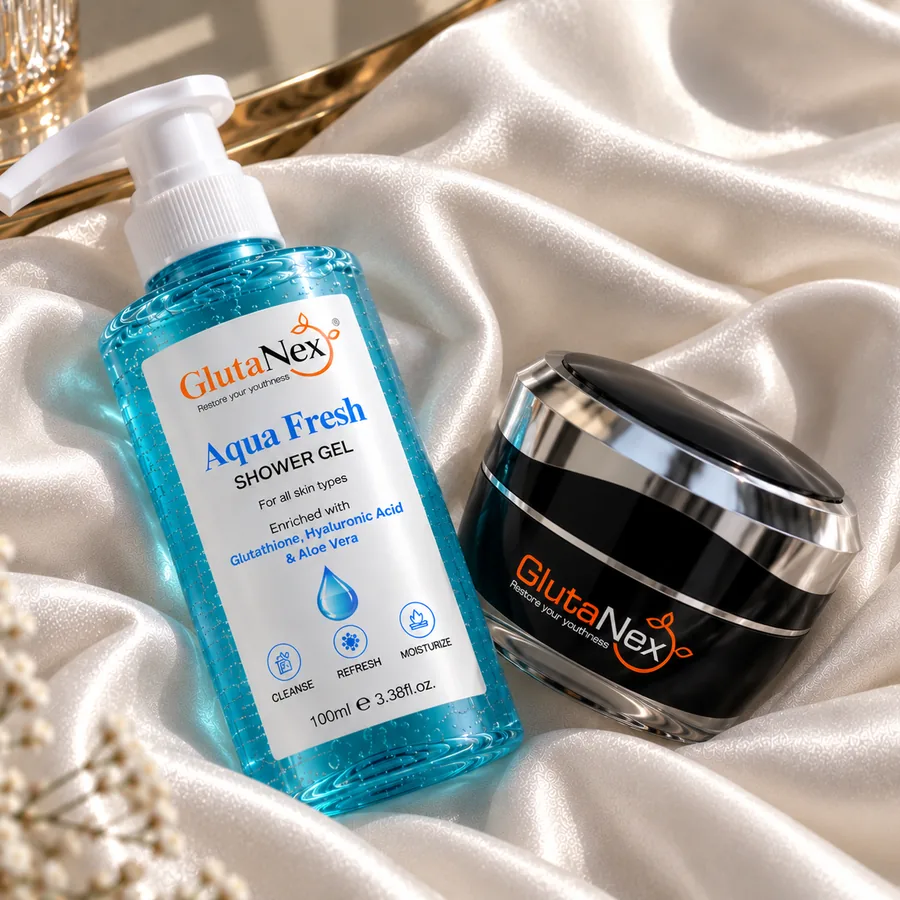
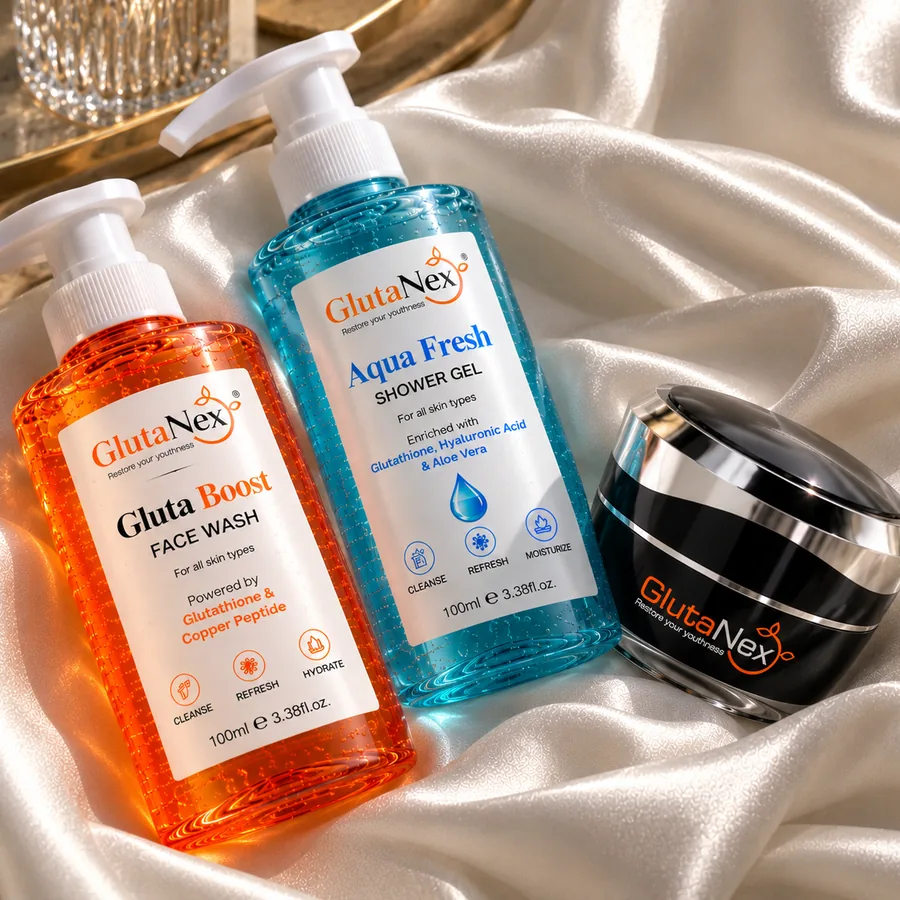
GlutaNex Glutathione Night Cream contains glutathione, niacinamide, hyaluronic acid, vitamin C, retinol, ceramides, salicylic acid, peptides, aloe vera, turmeric and neem. The retinol and salicylic acid are exactly the kind of actives to pause while the skin recovers. Read glutathione night cream with retinol for why retinol creams need a slow start even on normal days.
A simple timeline after a light peel
| When | What your skin is doing | What to use | What to skip |
|---|---|---|---|
| Day of the peel | Warm, tight, may be pink | Cool water rinse, plain moisturiser, nothing else unless your clinic gave you a product | Makeup, actives, steam, gym sweat |
| Days 2–5 | Dry, tight, light flaking | Gentle cleanser, plain moisturiser 2–3 times a day, sunscreen every morning | Glutathione/retinol creams, scrubs, picking flakes, waxing, threading |
| Days 5–7 | Flaking ends, skin feels smooth | Keep moisturiser and sunscreen; patch test before restarting any active | Strong acids, another peel |
| After about a week (no stinging) | Back to normal feel | Restart the night cream 2 nights a week, then build up slowly | Using it every night from the first day |
After a medium-depth peel, or if your skin is still red, raw or crusted, the gap is longer. Ask the clinic for your restart date instead of guessing.
How to restart glutathione cream after a peel
- Check the skin first. No flaking, no stinging when you apply a plain moisturiser, no red or raw patches.
- Patch test. Even if you used the cream before the peel, try a small amount along the jawline for a night or two.
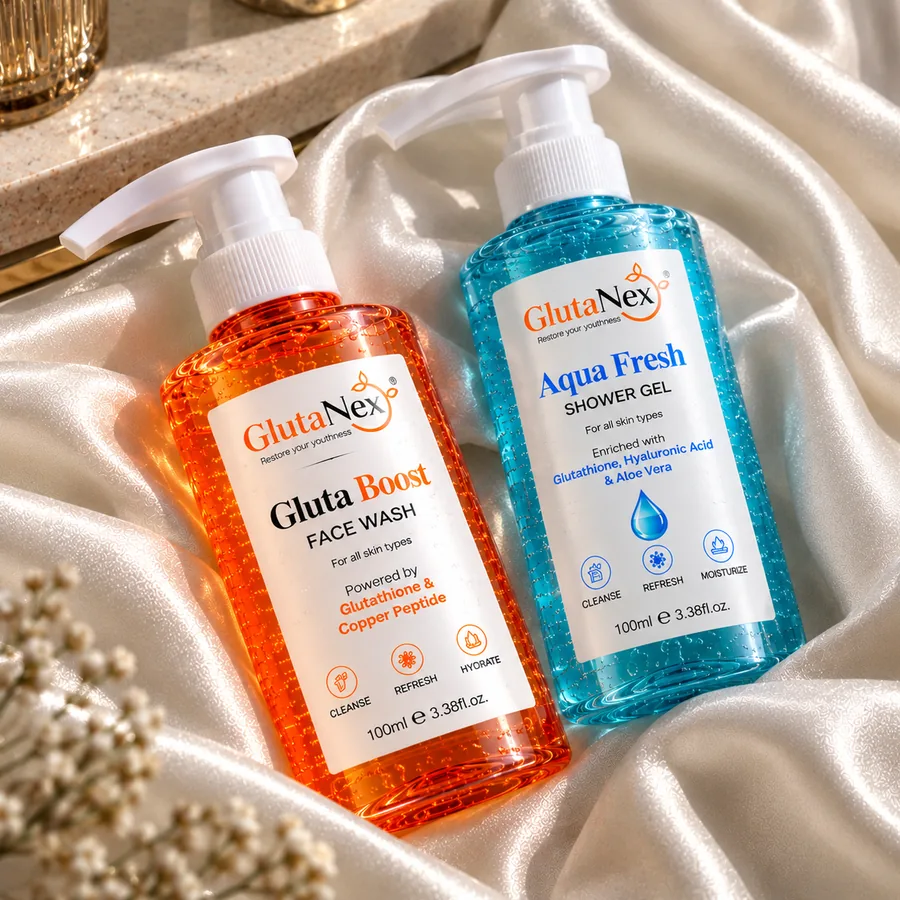
- Start with 2 nights a week. Wash with a gentle cleanser such as Gluta Boost Face Wash, pat dry, wait a few minutes, then apply a pea-sized amount of the night cream.
- Moisturise on top if you feel dry. See glutathione cream and moisturiser for the order.
- Build up over 2 to 3 weeks to alternate nights if your skin is comfortable.
- Sunscreen every morning, rain or shine. Fresh skin tans faster, and tan undoes the point of the peel. More on that in glutathione cream with sunscreen.
Peel and glutathione cream together: do you need both?
Many people book a peel for tan, dark spots or dull skin, and also want a home cream for the same goal. The two can fit into one plan, but not on the same days. A peel works in one session; a night cream works slowly over weeks of regular use. If you are planning a series of peels, ask your dermatologist whether to pause retinol creams for a few days before each session too, since many clinics ask for that. For how long a home cream usually takes, see how long glutathione takes to work.
At-home peel products
At-home peel serums and "peeling solutions" with glycolic, lactic or salicylic acid are milder than clinic peels but still exfoliate. Do not use them on the same night as a retinol glutathione cream. A safer pattern is one or the other on a given night, with at least one plain-moisturiser night in between, and never a home peel within a few days of a clinic peel. If you want to compare acids, read glutathione vs glycolic acid and glutathione and salicylic acid.
Common mistakes after a peel
- Peeling off flakes by hand: this can leave dark marks. Let them fall off.
- Applying lemon, baking soda, toothpaste or home "bleach" to speed things up.
- Going out in the sun without sunscreen, or riding a bike without covering the face.
- Booking waxing, threading or a facial in the same week.
- Stacking many new products at once, so you cannot tell what caused a reaction.
- Expecting a "glow" overnight. Smoother-feeling skin comes first; spots and tan look lighter gradually.
Peels in Indian weather
Timing matters more in India than most aftercare sheets admit. In April to June, strong sun and sweat make the first week harder: plan peels for a stretch when you can stay mostly indoors, and carry sunscreen to reapply. In the monsoon, humidity helps skin feel less tight but sweat under a helmet or mask can sting fresh skin, so wipe gently and reapply sunscreen. In winter, especially in north India with room heaters and dry air, peeled skin gets drier than usual, so moisturise more often and skip hot-water face washes. If you have a wedding or festival coming, keep at least two weeks between a peel and the event so any flaking or redness has time to settle; see glutathione before the wedding for a fuller plan.
When to call your dermatologist
Contact the clinic that did your peel if your skin blisters, oozes or crusts, if redness or burning gets worse instead of better after a couple of days, if you see dark patches forming, or if you have a cold sore history and notice tingling. For sensitive or reactive skin in general, see glutathione cream for sensitive skin.
General information about cosmetic skincare, not medical advice. Results vary from person to person. See a dermatologist for persistent or changing pigmentation.
More glutathione guides
Glutathione: what it is, what it does for skin, and how to use it safely
The complete guide: what glutathione is, how it affects skin, every form compared, and the research.
GuideGlutathione cream after laser hair removal: how long to wait
Can you use glutathione cream after laser hair removal? Wait until the skin is calm. When to stop before a session, when to restart after, what to apply on lasered skin and how to avoid dark marks.
GuideGlutathione cream for blackheads: does it help, and what actually works
Does glutathione cream help blackheads? Glutathione itself does not clear pores; what helps is salicylic acid, retinol, gentle cleansing and patience. How to use a glutathione night cream on a blackhead-prone nose and chin.
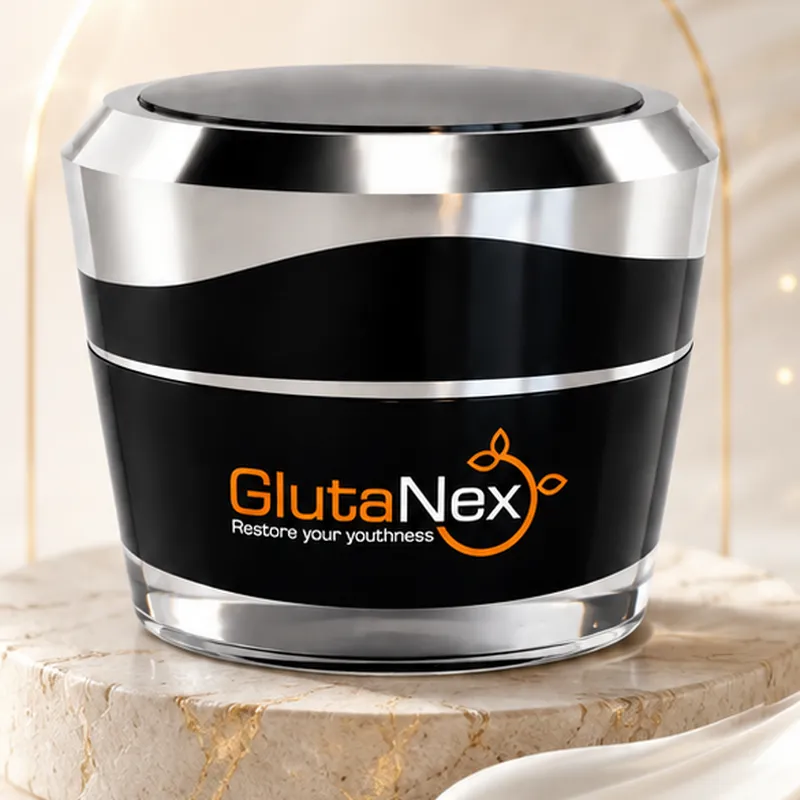 Night Cream
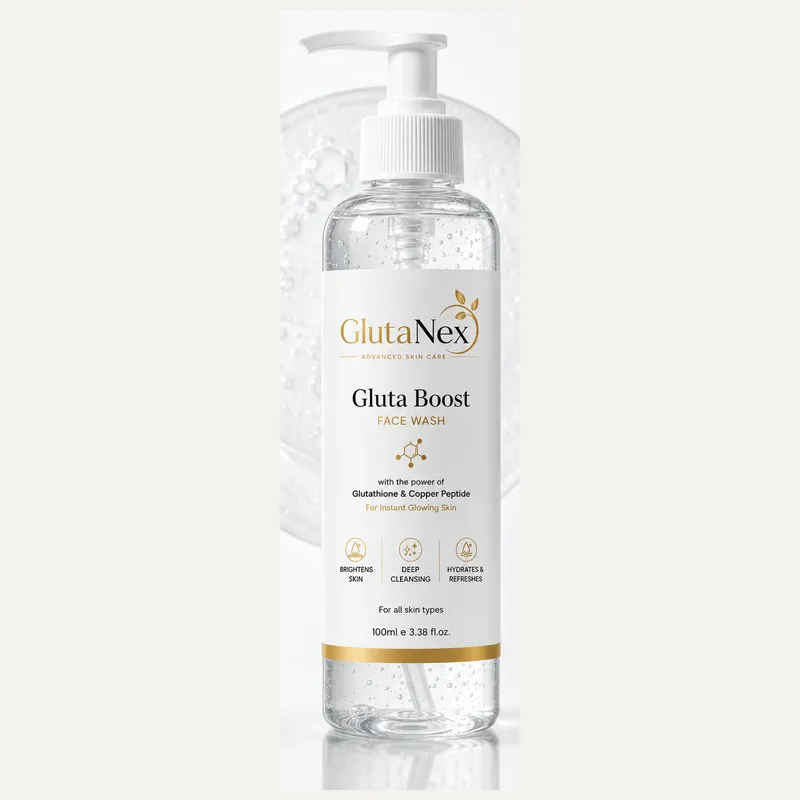 Face Wash
 Glow Duo
 Shower Gel
 Wash + Gel Combo
 Cream + Gel Combo
 Glow Trio