
Glutathione cream after laser hair removal: how long to wait
Can you use glutathione cream after laser hair removal? Wait until the skin is calm. When to stop before a session, when to restart after, what to apply on lasered skin and how to avoid dark marks.
Can I use glutathione cream after laser hair removal?
Yes, but not right away. Skip glutathione creams with retinol, acids or vitamin C for at least a few days after a session, until redness, bumps and warmth have fully settled, and follow your clinic's aftercare. Use a plain moisturiser and sunscreen in the meantime.
Should I stop glutathione cream before laser hair removal?
Many clinics ask you to stop retinol and acid creams on the area for several days before a session, because they make skin more sensitive to the laser. Tell the clinic exactly what you use; they will give you a stop date.
Does glutathione cream remove dark marks after laser?
It is not a fix for laser burns or marks. Mild dark marks from irritation usually fade slowly with sunscreen and gentle care, and a brightening cream may help them look lighter over weeks once the skin has healed. Any burn, blister or patch that keeps darkening needs the dermatologist.
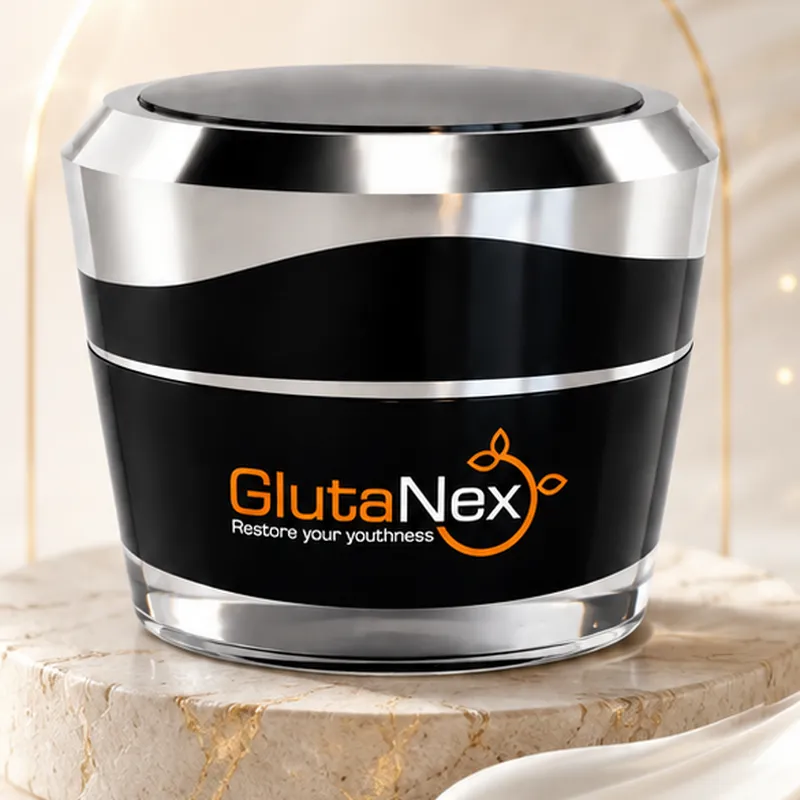
You can use glutathione cream after laser hair removal, but only once the skin has calmed down, which for most people means waiting at least 3 to 5 days after the session. A night cream with retinol and salicylic acid, like the GlutaNex Night Cream, should also be paused for several days before each session; your clinic's instructions come first.
Laser hair removal (doctors often call it laser hair reduction) is popular in India for the upper lip, chin, underarms, arms and legs. Most people need several sessions a few weeks apart, so the real question is how to fit your normal skincare around a schedule that repeats for months.
Why actives and laser do not mix
The laser targets the pigment in hair roots with heat. Afterwards the skin around each follicle is warm, often red, and may have small bumps for a day or two. Retinol, salicylic acid, glycolic acid and vitamin C all make skin more reactive; on freshly lasered skin they can sting and cause irritation. On brown Indian skin, irritation is a common cause of dark patches after laser (post-inflammatory pigmentation). Before a session, the same ingredients can make the skin more sensitive to the laser itself, which is why clinics ask you to stop them.
GlutaNex Glutathione Night Cream has retinol and salicylic acid along with glutathione, niacinamide, hyaluronic acid, vitamin C, ceramides, peptides, aloe vera, turmeric and neem, so count it as an "active" cream when planning around laser.
Your schedule around each session
| When | Glutathione night cream | What to do instead |
|---|---|---|
| About a week before (or as your clinic says) | Pause on the area to be lasered | Plain moisturiser; shave only if the clinic asks; no waxing, threading or bleach |
| Day of the session | No | Clean skin, no creams or makeup unless the clinic allows |
| First 48 hours after | No | Cool compress if warm, soothing plain moisturiser or the gel your clinic gives, no hot showers, gym, sauna or steam |
| Days 3–5 | Only if skin is fully calm; patch test first | Sunscreen every morning on lasered face, neck or arms |
| Rest of the cycle | 2–3 nights a week, then build up | Pause again before the next session |
If you still have redness, bumps, crusts or a burning feeling, wait longer. There is no prize for restarting early.
Face vs underarms and body
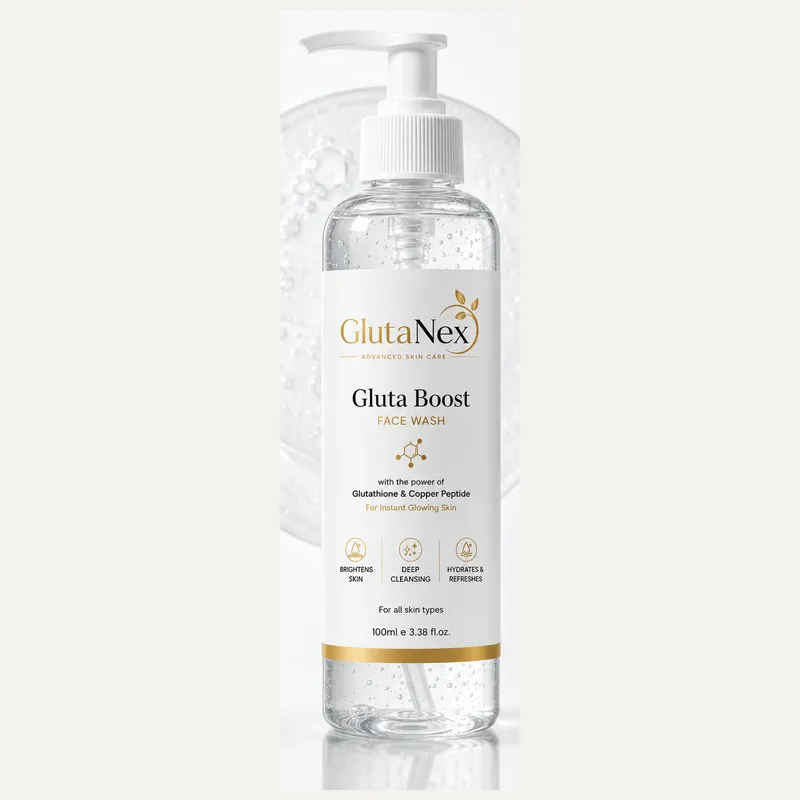
For the upper lip, chin and sides of the face, the GlutaNex Night Cream fits the plan above. It is a face cream, used a pea-sized amount at night. For underarms, arms and legs it is not the right product; a plain body moisturiser and a gentle wash such as Gluta Boost Face Wash on the face or a mild body wash on the body are better. If underarm darkness is the reason you are looking at creams, read glutathione for underarms and body first, because shaving, friction and deodorants usually matter more than any cream.
Shaving between sessions
Most clinics ask you not to wax, thread or pluck between sessions, because the laser needs the hair root in place; shaving or trimming is usually allowed. If you shave the face or lip area, give the skin a night off actives afterwards. Our guides on glutathione cream after shaving and after waxing and threading explain the gap.
Upper lip and chin: dark marks after laser
The upper lip and chin are the two places people most often notice darkness, both before and after laser. Some darkness is from years of threading, waxing or bleaching; some is from mild irritation after a session. What helps, slowly:
- Sunscreen every morning on the lip and chin, reapplied if you are outdoors.
- No bleach creams, lemon or scrubs on the area.
- Once skin is fully healed, a gentle brightening night cream 2 to 3 nights a week.
- Patience: such marks tend to look lighter over weeks to months, not days.
See pigmentation around the mouth for a fuller routine.
Sun protection matters more than any cream
Clinics usually ask you to avoid tanning before and after each session, because tanned skin is more likely to react to the laser. In Indian weather that means sunscreen every morning on lasered face and arms, covering up on a two-wheeler and reapplying after sweating. Read glutathione cream with sunscreen for how to layer them.
A budget-friendly routine between sessions
You do not need a shelf of new products for a laser course. A simple routine that most people can keep up between sessions:
- Morning: gentle face wash, plain moisturiser, sunscreen (reapply when outdoors).
- Night, the week of a session: gentle wash and plain moisturiser only.
- Night, the other weeks: gentle wash, then a pea-sized amount of glutathione night cream 2 to 3 nights a week, plain moisturiser on the other nights.
The GlutaNex Night Cream is ₹2,499 for a 30 g jar, and at a pea-sized amount a few nights a week a jar lasts a good while. If you are new to retinol creams, start even slower; retinol night cream for beginners explains how.
When to go back to the clinic
Contact your dermatologist or the clinic if you get blisters, crusting, oozing or swelling, if a patch looks darker or lighter than your skin and keeps changing, or if redness lasts more than a few days. Do not try to cover a laser burn with a brightening cream. If you are pregnant or breastfeeding, ask your doctor before both laser and retinol creams; GlutaNex Night Cream is not for use then unless your doctor says it is fine.
General information about cosmetic skincare, not medical advice. Results vary from person to person. See a dermatologist for persistent or changing pigmentation.
More glutathione guides
Glutathione: what it is, what it does for skin, and how to use it safely
The complete guide: what glutathione is, how it affects skin, every form compared, and the research.
GuideGlutathione cream for blackheads: does it help, and what actually works
Does glutathione cream help blackheads? Glutathione itself does not clear pores; what helps is salicylic acid, retinol, gentle cleansing and patience. How to use a glutathione night cream on a blackhead-prone nose and chin.
GuideGlutathione cream after hair removal cream: how long to wait
Can you apply glutathione cream after using a hair removal cream on the face or upper lip? Wait at least 24 to 48 hours. Why depilatory creams and retinol do not mix, what to apply instead and how to avoid dark marks.
 Night Cream
 Face Wash
 Glow Duo
 Shower Gel
 Wash + Gel Combo
 Cream + Gel Combo
 Glow Trio