
Glutathione cream after hair removal cream: how long to wait
Can you apply glutathione cream after using a hair removal cream on the face or upper lip? Wait at least 24 to 48 hours. Why depilatory creams and retinol do not mix, what to apply instead and how to avoid dark marks.
Can I apply glutathione cream after using hair removal cream?
Not on the same day. Hair removal creams break down hair with strong alkaline chemicals and leave the skin sensitive, so wait at least 24 to 48 hours before using a glutathione cream with retinol, salicylic acid or vitamin C on that area. Use a plain moisturiser in the meantime.
What should I apply after hair removal cream on my face?
Rinse the area well with cool water so no cream is left behind, pat dry and apply a plain, fragrance-free moisturiser or aloe gel. Next morning, use sunscreen on the area. Skip makeup, scrubs and active creams for the rest of the day.
Why does my upper lip go dark after hair removal cream?
Hair removal creams can irritate thin skin, and on brown skin repeated irritation can leave darker patches over time. Leaving the cream on too long, using it too often and skipping sunscreen all make it worse. Patch test, follow the timing on the pack and protect the area from sun.
Wait at least 24 to 48 hours after using a hair removal cream before you apply glutathione cream to that area, and longer if the skin is still red or stinging. Hair removal (depilatory) creams dissolve hair with strong chemicals and leave the top layer of skin sensitive, and a night cream with retinol and salicylic acid, like the GlutaNex Night Cream, can sting and irritate skin in that state.
In India, many women use hair removal creams on the upper lip, chin, sides of the face, underarms and arms because they are quick, painless and cheap. This guide covers how to fit a glutathione night cream around them, what to use in between, and how to keep the upper lip from going darker over time.
Why hair removal cream and retinol creams do not mix
Hair removal creams work by breaking down the protein in hair so it can be wiped away. The same chemistry is harsh on the outer layer of skin, which is why packs warn you not to leave them on longer than the stated time and to do a patch test. Right after use, skin is more permeable and reactive. Adding retinol, salicylic acid, glycolic acid or vitamin C on top can cause burning, redness and peeling. On Indian skin, that irritation often leaves brown marks (post-inflammatory pigmentation), especially on the upper lip.
GlutaNex Glutathione Night Cream contains glutathione, niacinamide, hyaluronic acid, vitamin C, retinol, ceramides, salicylic acid, peptides, aloe vera, turmeric and neem. Count it as an active cream: keep it off freshly depilated skin.
A simple timeline
| When | What to do | What to skip |
|---|---|---|
| Night before | Skip the glutathione night cream on the area you will depilate | Retinol, acids, scrubs on that area |
| Before using the hair removal cream | Patch test it if new; read the timing on the pack | Using it on cut, sunburnt or irritated skin |
| Right after | Rinse with plenty of cool water, pat dry, plain moisturiser or aloe gel | Soap scrubbing, makeup, perfume, steam, sun |
| Next 24 to 48 hours | Plain moisturiser; sunscreen in the morning | Glutathione/retinol creams, facials, bleach, threading |
| After 48 hours, if calm | Restart the night cream on that area with a thin layer | Restarting if it still stings, itches or looks red |
Upper lip and chin: keeping marks away
The upper lip is where most people notice a darker shade over the years, and frequent hair removal is a common reason. What helps:
- Follow the timing on the pack. Leaving the cream on longer does not work better; it irritates more.
- Leave a gap between sessions as the pack suggests, and do not mix methods in the same week (for example, cream then threading).
- Sunscreen every morning on the lip area. It is easy to miss and gets a lot of sun.
- Once the skin is calm, a thin layer of a gentle brightening night cream 2 to 3 nights a week can help existing marks look lighter over weeks.
- Skip bleach creams, lemon and scrubs on the lip.
For a full routine, see pigmentation around the mouth.
Hair removal cream vs threading, waxing, shaving and laser
Every method irritates the skin in its own way, so the gap before you use an active cream is similar. Threading and waxing pull hair from the root and can cause bumps; shaving can nick skin; laser heats it. Our guides on glutathione cream after waxing and threading, after shaving and after laser hair removal cover each one. Whatever you choose, the rule is the same: let the skin settle, then restart slowly.
Underarms and body
Many people use hair removal cream on underarms, arms and legs. The GlutaNex Night Cream is a face cream and is not meant for underarms or large body areas. After depilating the body, rinse well, use a plain body moisturiser and avoid deodorant on freshly depilated underarms for a few hours if it stings. If underarm darkness is your concern, friction, shaving and deodorants usually matter more than any cream; read glutathione for underarms and body.
Signs your skin needs more time
- Stinging or burning when you apply a plain moisturiser.
- Redness, small bumps or a rash on the area.
- Peeling or rough patches.
- The area looks darker than usual a few days later.
If you notice any of these, keep to plain moisturiser and sunscreen until the skin feels normal again. For reactive skin in general, see glutathione cream for sensitive skin.
When to see a dermatologist
See a dermatologist if you get a chemical burn, blisters or oozing, a rash that spreads, or darkness on the lip or chin that keeps getting worse. A dermatologist can also suggest a hair removal method that suits your skin better if creams keep irritating it. If facial hair is suddenly increasing, or comes with irregular periods or acne, see a doctor, because that can have a medical cause. If you are pregnant or breastfeeding, ask your doctor before using retinol creams; the GlutaNex Night Cream is not for use then unless your doctor says it is fine.
General information about cosmetic skincare, not medical advice. Results vary from person to person. See a dermatologist for persistent or changing pigmentation.
More glutathione guides
Glutathione: what it is, what it does for skin, and how to use it safely
The complete guide: what glutathione is, how it affects skin, every form compared, and the research.
GuideGlutathione cream in monsoon: how to use it in humid, rainy weather
Can you use glutathione cream in the monsoon? Yes, with a thinner layer, a lighter routine and sunscreen on cloudy days. How to adjust a retinol glutathione night cream for humid Indian rains.
GuideGlutathione cream after dermaplaning: when to apply it and what to use first
Can you use glutathione cream after dermaplaning? Not the same night. How long to wait before a retinol and salicylic acid night cream, what to apply on freshly dermaplaned skin, and safe face-razor tips.
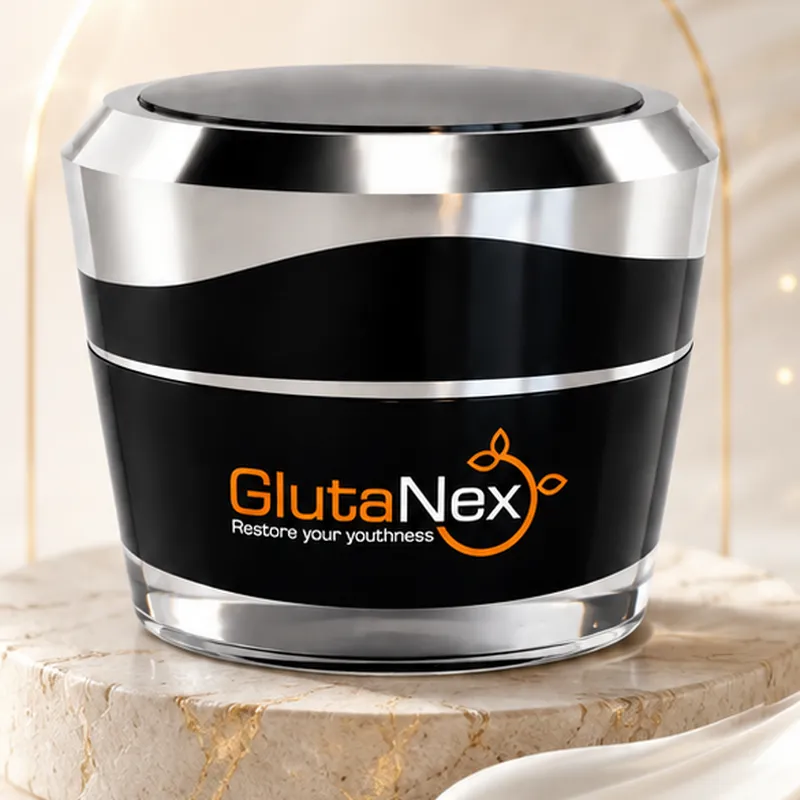 Night Cream
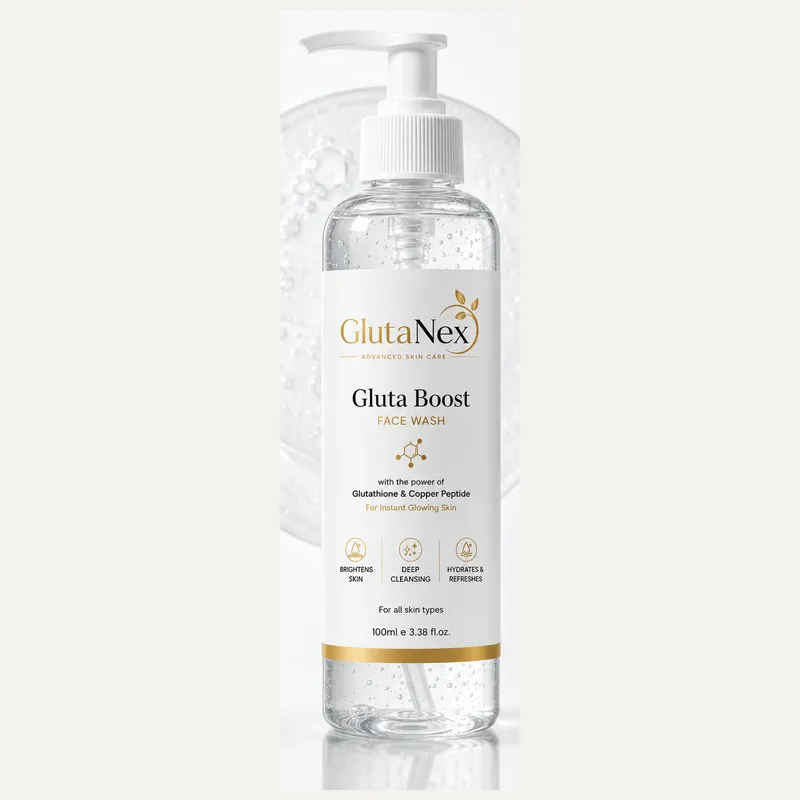 Face Wash
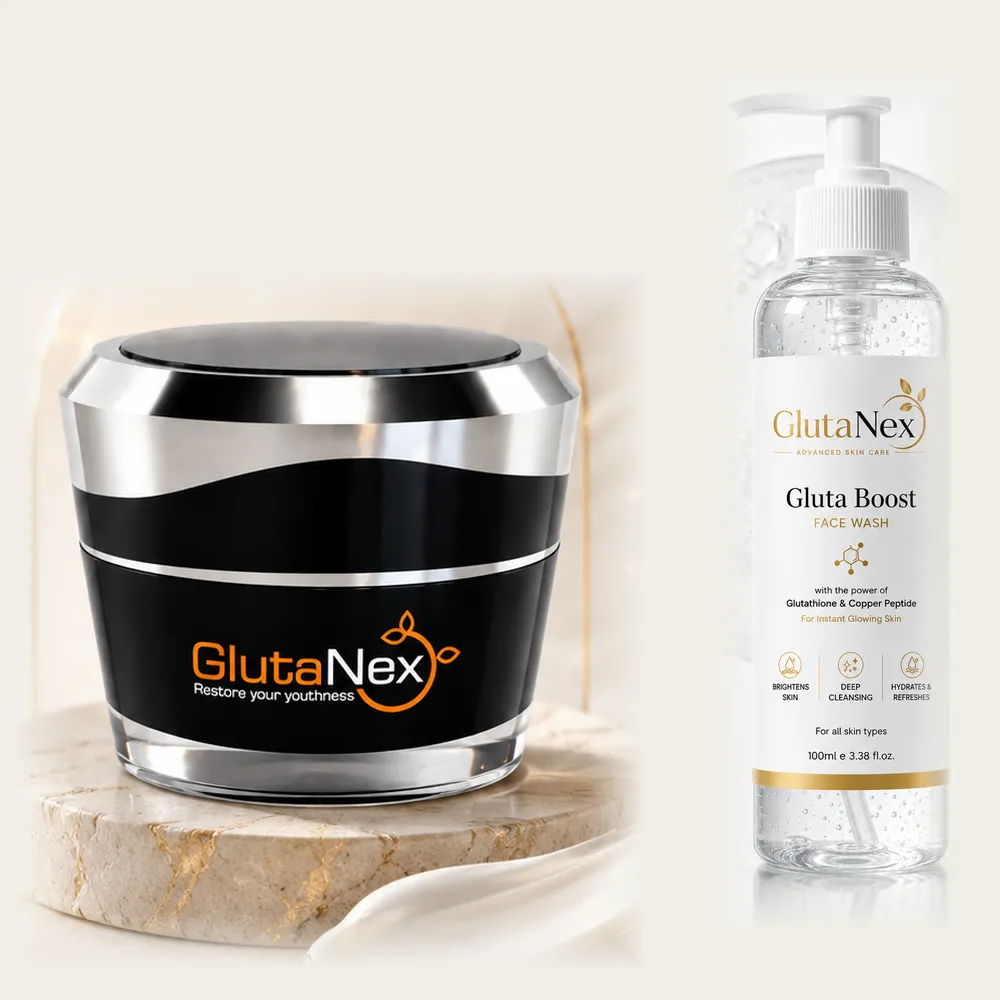 Glow Duo
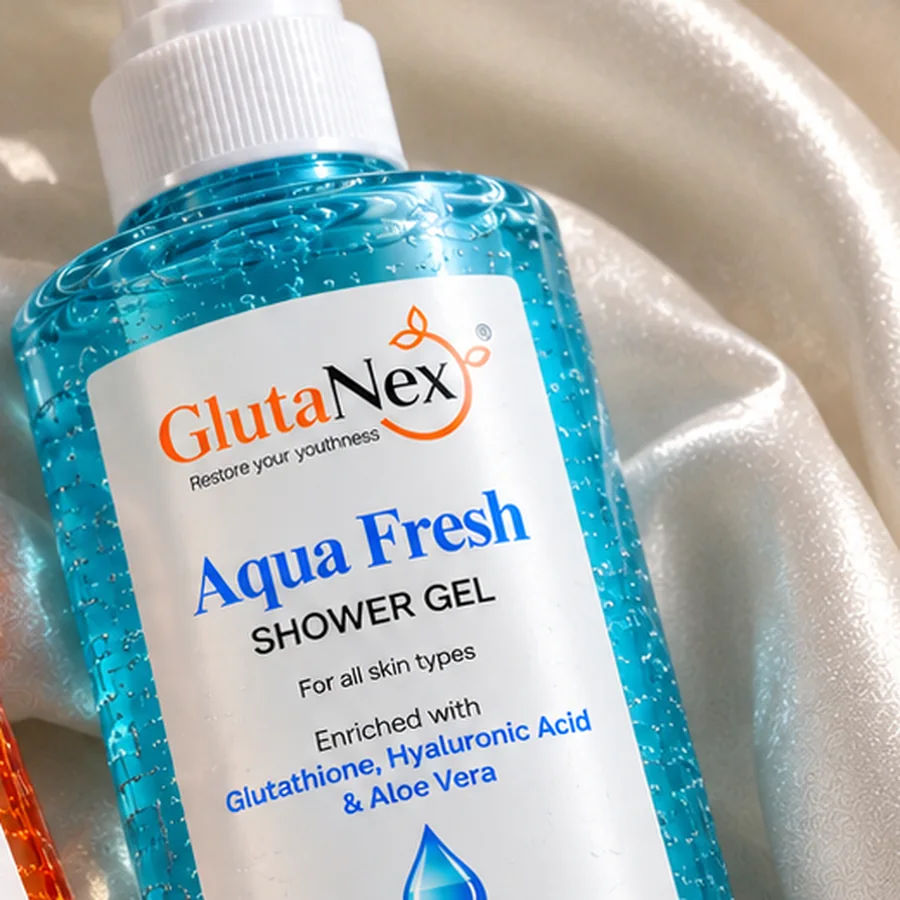 Shower Gel
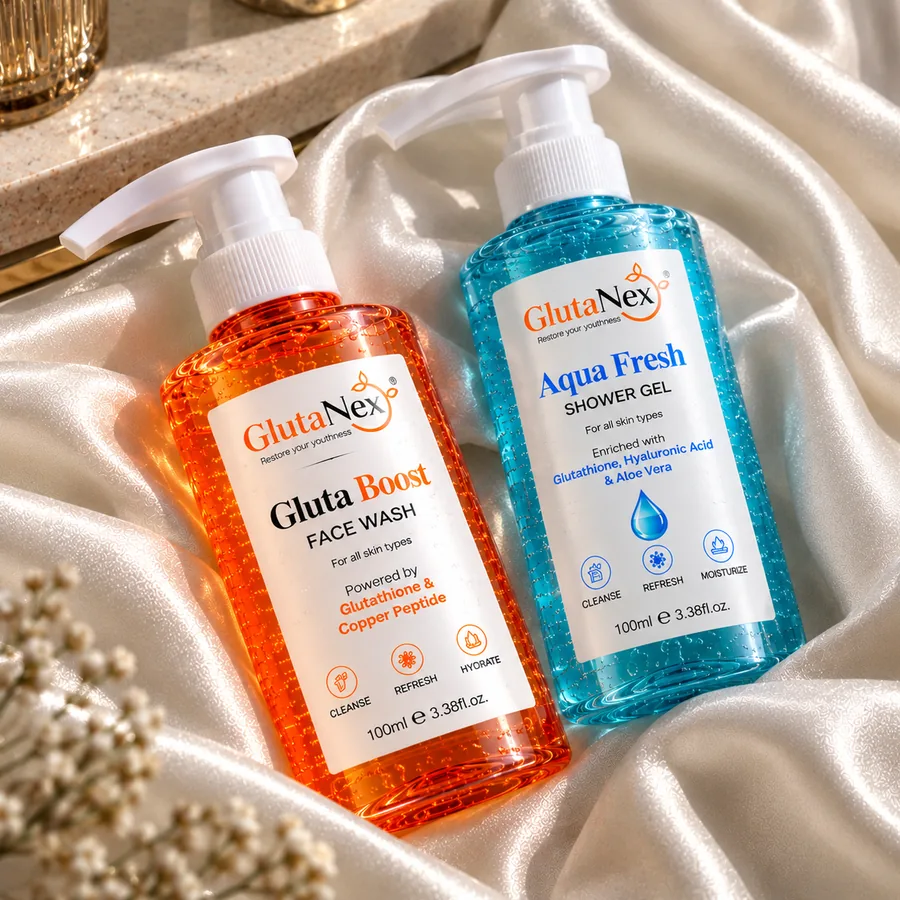 Wash + Gel Combo
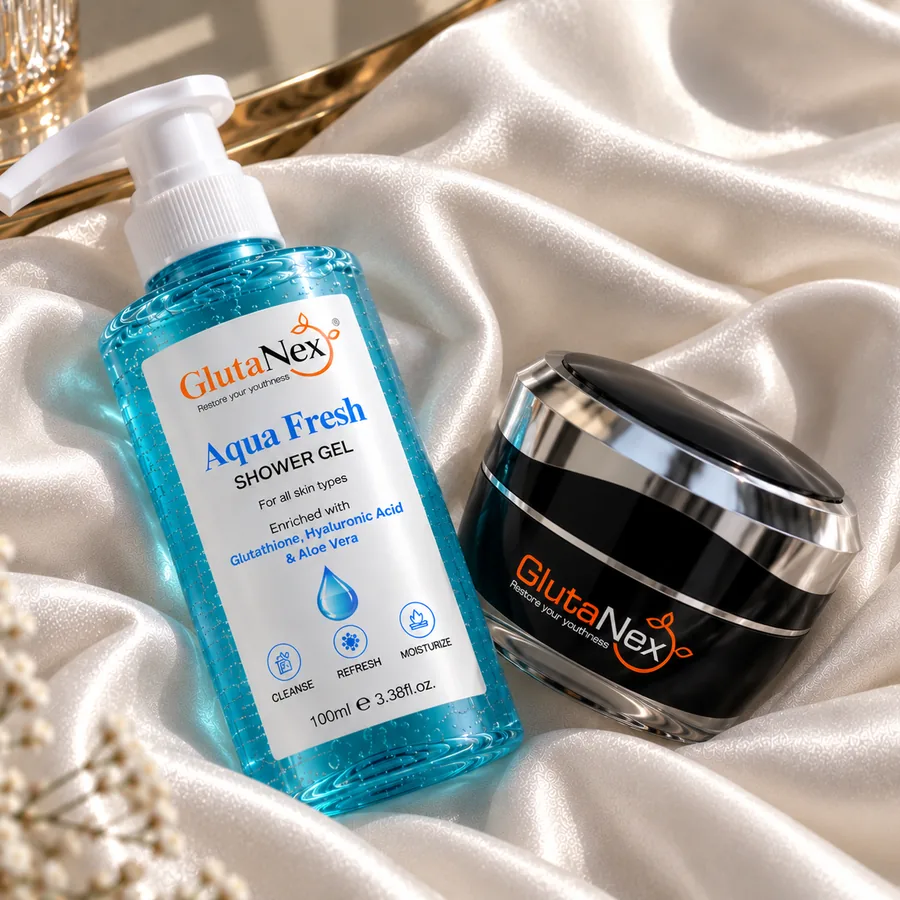 Cream + Gel Combo
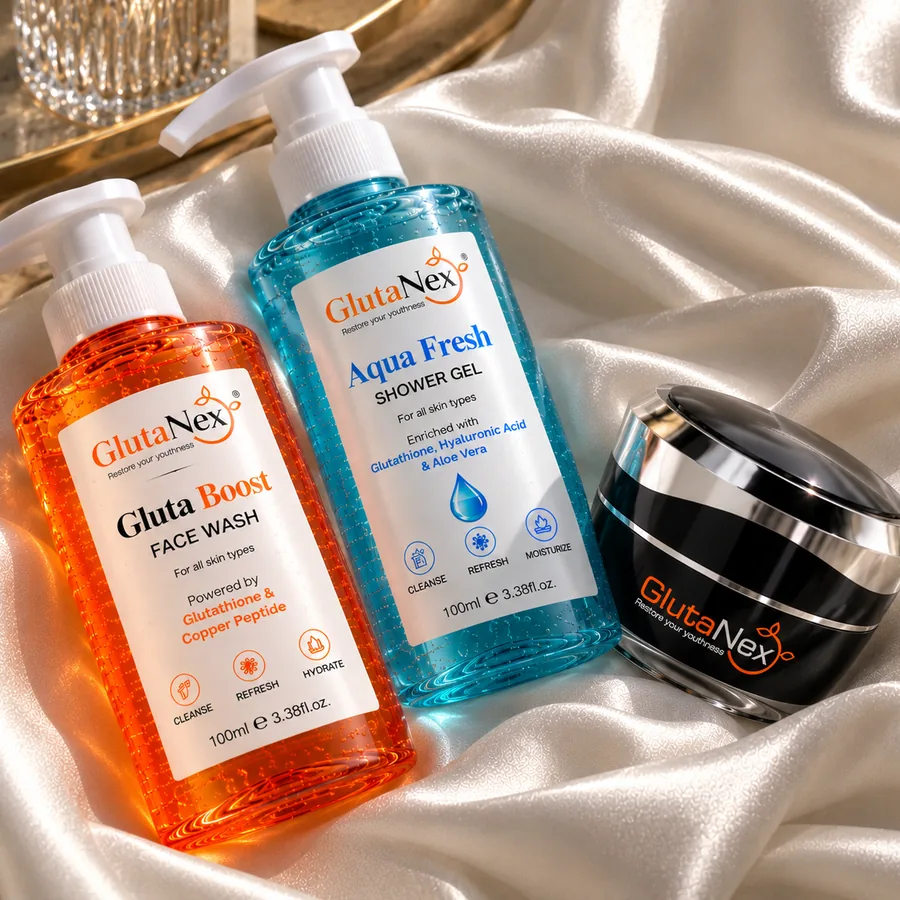 Glow Trio