
Glutathione cream with besan: how to use a besan pack and the cream together
Can you use a besan (gram flour) face pack with glutathione cream? The right order, why not to scrub before a retinol night cream, a gentle besan pack recipe and who should skip it.
Can I use besan with glutathione cream?
Yes, as separate steps, not mixed in the jar. Use a gentle besan pack on clean skin, rinse it off without rubbing, pat dry, and then apply the glutathione cream. With a retinol night cream like GlutaNex, a besan pack fits best on a rest night.
Should I apply besan before or after glutathione cream?
Before, and wash it off completely. Besan is a wash-off pack. Putting besan on top of a leave-on cream wastes the cream and leaves a gritty film on the skin.
Does besan with glutathione make skin fair?
No. A besan pack can leave skin feeling clean and looking fresher, and a glutathione cream with daily sunscreen may help tan and dark marks look lighter slowly over 8 to 12 weeks. Neither changes your natural skin colour.
You can use besan with glutathione cream, but as two separate steps: a gentle besan pack on clean skin, rinsed off without scrubbing, and then a thin layer of the cream. If your glutathione cream also has retinol or salicylic acid, keep besan packs for the nights you are not using it, because rubbing besan before those actives is a common cause of stinging.
Besan (gram flour) is the base of most Indian ubtans and haldi packs, and many people use it instead of soap through the winter wedding season. This guide explains where it fits next to a glutathione cream, a simple recipe, and the mistakes to avoid.
Besan vs glutathione cream at a glance
| Besan pack | Glutathione cream | |
|---|---|---|
| Main cosmetic job | Soaks up oil, lifts dirt, leaves skin feeling clean and smooth | Brighter, more even-looking tone over weeks |
| How to use | Wash-off pack, 10 to 15 minutes | Thin leave-on layer, last step at night |
| Texture | Fine powder, slightly grainy when wet | Smooth cream |
| Main downside | Can dry or roughen skin if left to crack or rubbed hard | Works slowly; needs sunscreen every morning |
| What it cannot do | Fade spots or tan on its own | Change your natural skin colour |
The right order on a besan night
- Remove makeup and sunscreen first. Besan alone does not take off waterproof makeup.
- Mix the pack: 1 to 2 teaspoons of besan with enough plain water, rose water or milk to make a smooth, soft paste, not a thick dough.
- Apply a thin layer with fingers, avoiding the eyes, eyebrows and hairline.
- Rinse after 10 to 15 minutes, before it cracks. Wet it first, then wash off with lukewarm water and soft movements. Do not rub it like a scrub.
- Pat dry and wait a few minutes so the skin is fully dry.
- Apply the glutathione cream as a thin, pea-sized layer, or on a GlutaNex rest night, a plain moisturiser.
- Sunscreen every morning, SPF 30 or higher.
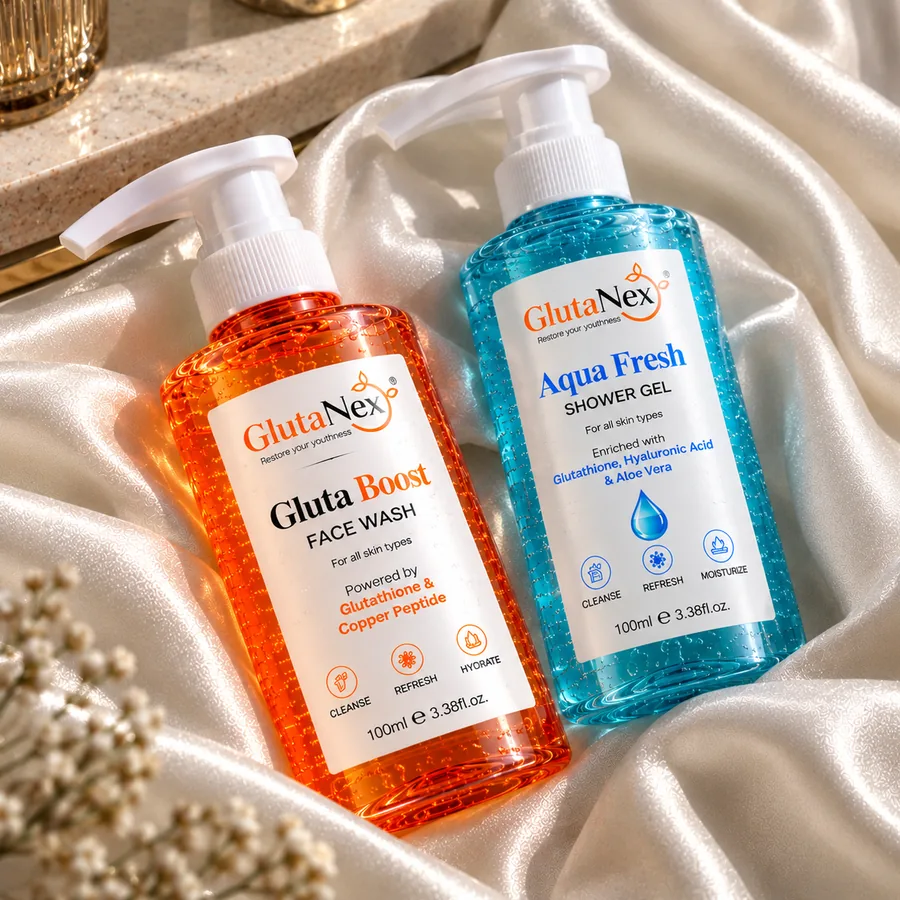
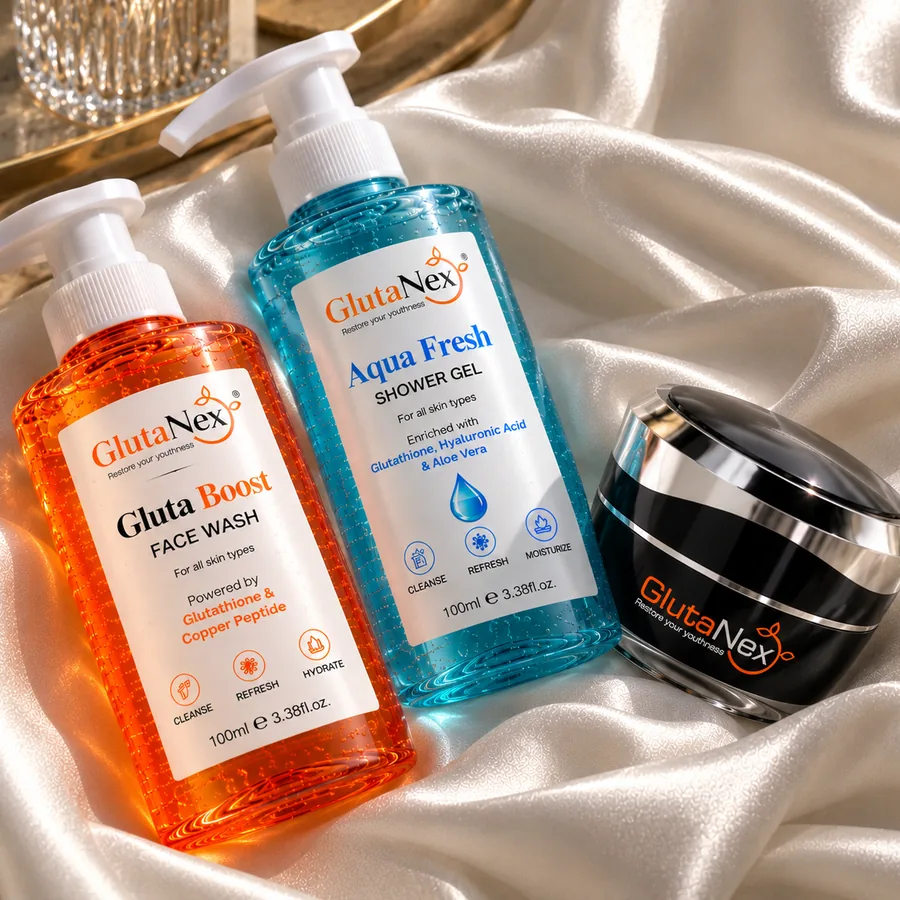
Once or twice a week is enough. On other days, a gentle face wash such as Gluta Boost Face Wash does the cleansing job without any grit. For general layering, see how to use glutathione cream.
A special note on GlutaNex Night Cream
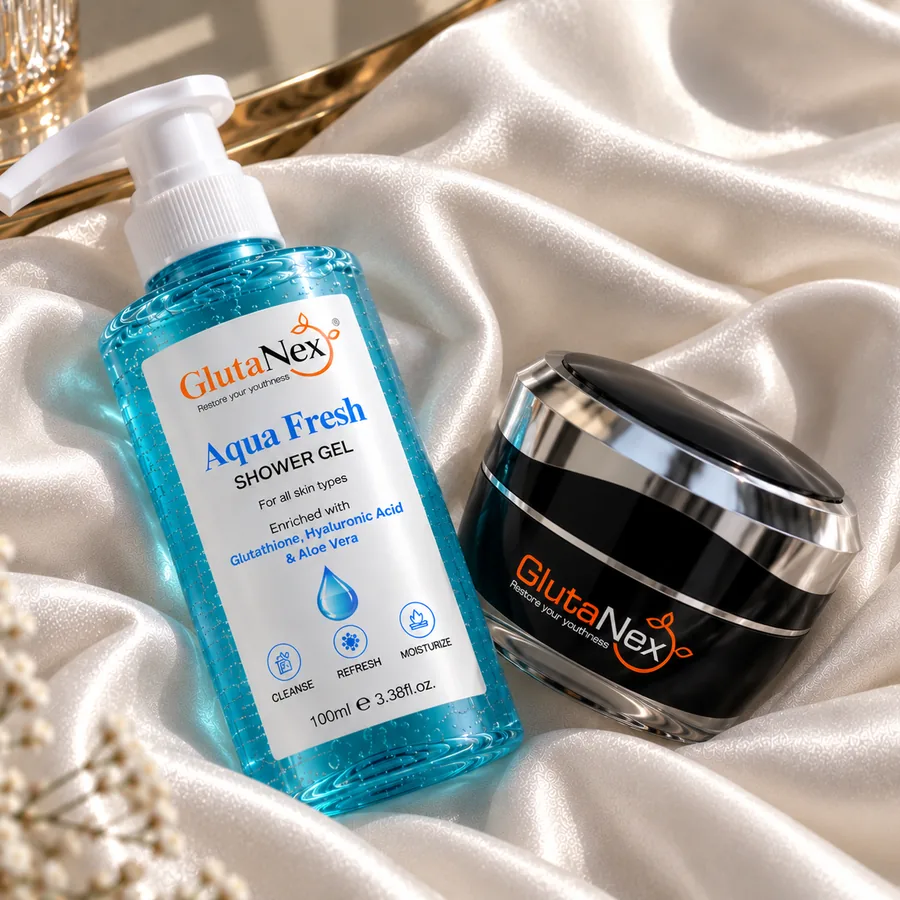
GlutaNex Glutathione Night Cream contains glutathione, niacinamide, hyaluronic acid, vitamin C, retinol, ceramides, salicylic acid, peptides, aloe vera, turmeric and neem. Salicylic acid already loosens dead skin and retinol speeds up skin turnover, so the cream does not need a besan scrub before it.
- The Night Cream is for night only. Start with 2 to 3 nights a week.
- Plan besan packs for the nights in between. For example: Night Cream on Monday, Wednesday and Friday; besan pack and plain moisturiser on Sunday.
- If you do use besan on a cream night, rinse it gently, wait until the skin is completely dry and use a thinner layer of cream.
- If the cream stings after a pack, wash it off and read glutathione cream burning. The same caution applies to other acids; see glutathione and salicylic acid.
Besan add-ins: what is fine and what to skip
| Add-in | Verdict |
|---|---|
| Plain water or rose water | Fine for all skin types |
| Milk or a little curd | Fine for dry skin; curd has its own rules, see glutathione cream with curd |
| Pinch of haldi | Optional; it can stain. Read glutathione and turmeric |
| Honey | Fine for dry skin; see glutathione cream with honey |
| Lemon juice | Skip. It can irritate and make skin more sun-sensitive. See glutathione cream with lemon |
| Sugar, coffee or coarse besan | Skip on cream nights; too harsh before retinol |
| Mixing besan into the cream jar | Never. It spoils the texture and brings water and germs into the jar |
Which skin types suit a besan pack
| Skin type or season | Besan pack? |
|---|---|
| Oily skin, humid coastal weather | Yes, once or twice a week with water or rose water. See glutathione for oily skin |
| Combination skin | On the T-zone; skip dry cheeks |
| Dry skin, North Indian winter | Occasionally, with milk or honey, rinsed early. See glutathione cream for dry skin |
| Acne-prone skin | Gentle pack only, never scrubbed over pimples |
| Sensitive or retinol-new skin | Wait until the first 4 weeks of the Night Cream are going smoothly |
| Broken, sunburnt or freshly waxed skin | Skip both the pack and the Night Cream until it settles |
Besan and multani mitti are often used the same way; if you prefer clay, read glutathione cream with multani mitti.
Mistakes to avoid
- Letting the pack dry and crack. Cracked packs pull moisture from the skin. Rinse while it is still slightly damp.
- Scrubbing it off. Rubbing grainy besan before a retinol and salicylic acid cream causes redness and stinging.
- Using it every day instead of face wash through a dry winter.
- Skipping sunscreen because the face "looks brighter" after a pack. Tan and dark marks need daily sun protection.
What to expect, honestly
A besan pack can leave skin feeling clean and looking fresher for the evening, which is why it is a wedding-week favourite. It does not fade tan, dark spots or acne marks by itself. Those need daily sunscreen and time; a glutathione cream may help them look lighter slowly over 8 to 12 weeks. See glutathione cream results for a realistic timeline.
When to see a dermatologist
Stop and wash off if you get itching, redness, swelling or burning after a pack or any cream. Some people react to gram flour; skip it if you have a chickpea allergy. See a dermatologist for rashes that do not settle, painful acne, or patchy pigmentation such as melasma. Patch test the pack and any new cream on the jaw or inner arm for 24 to 48 hours first.
General information about cosmetic skincare, not medical advice. Results vary from person to person. See a dermatologist for persistent or changing pigmentation.
More glutathione guides
Glutathione: what it is, what it does for skin, and how to use it safely
The complete guide: what glutathione is, how it affects skin, every form compared, and the research.
GuideGlutathione cream with curd (dahi): can you use both, and how?
Can you use curd (dahi) with glutathione cream? How to use a plain curd mask before the cream, why it counts as a mild acid step, who should skip it and what curd cannot do.
GuideGlutathione cream: answers to the most-asked questions
Straight answers to what people ask Google about glutathione cream: does it work, daily use, whitening, the best one, retinol and more.
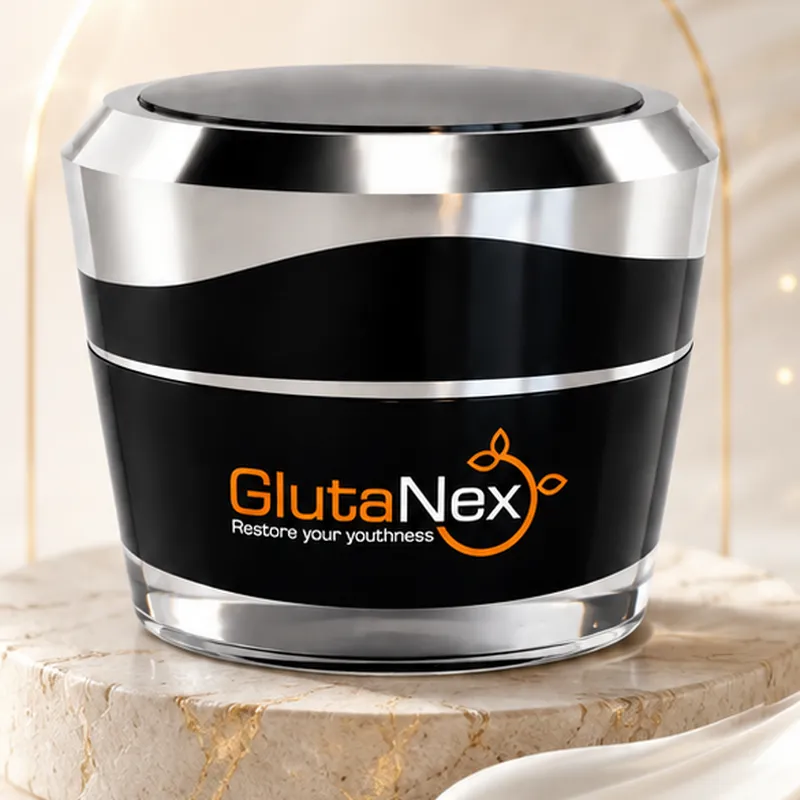 Night Cream
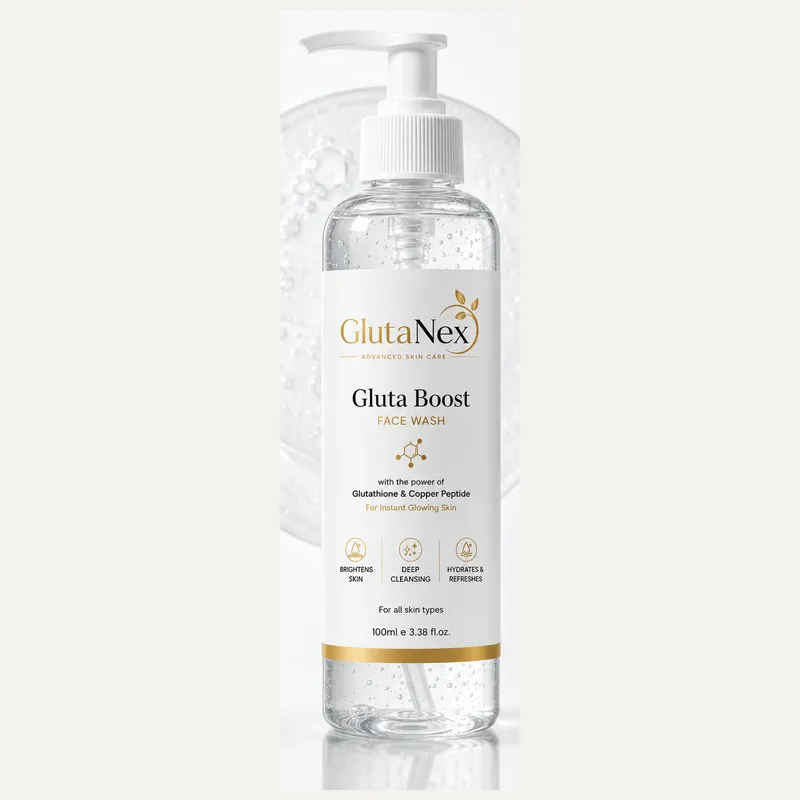 Face Wash
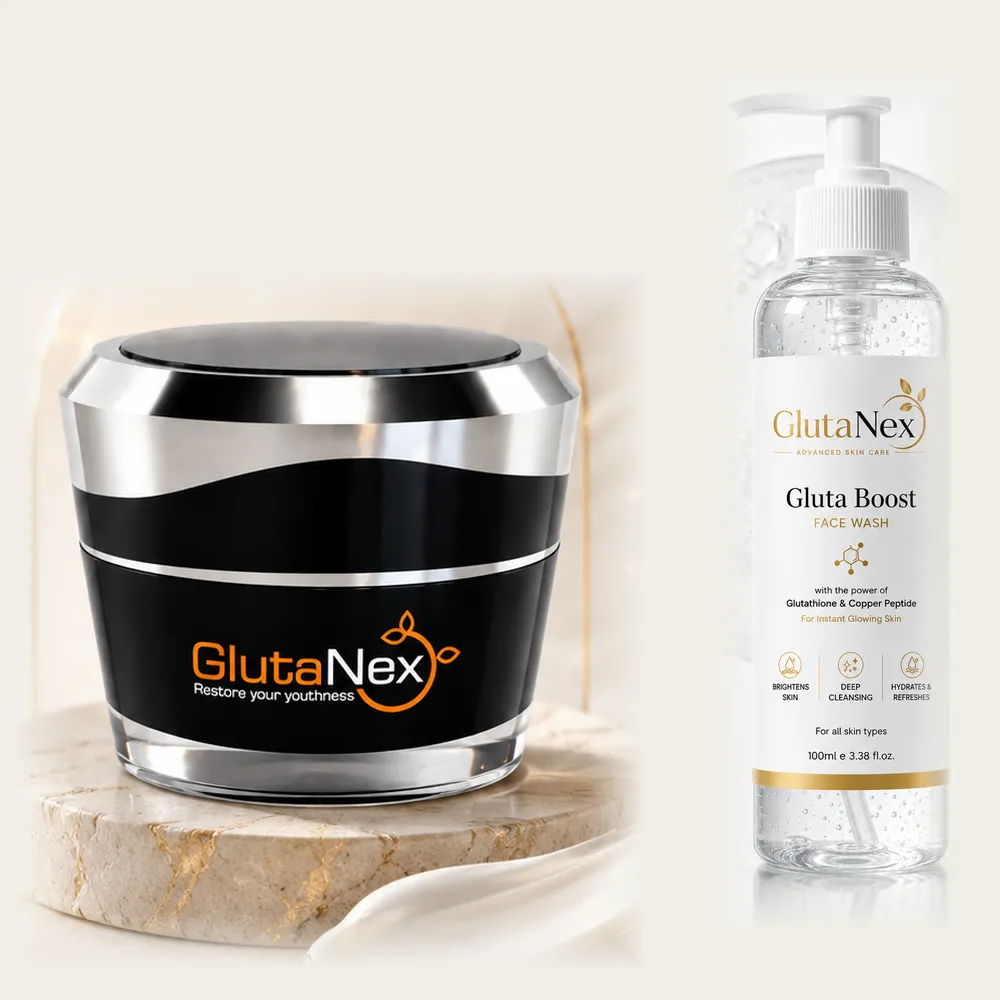 Glow Duo
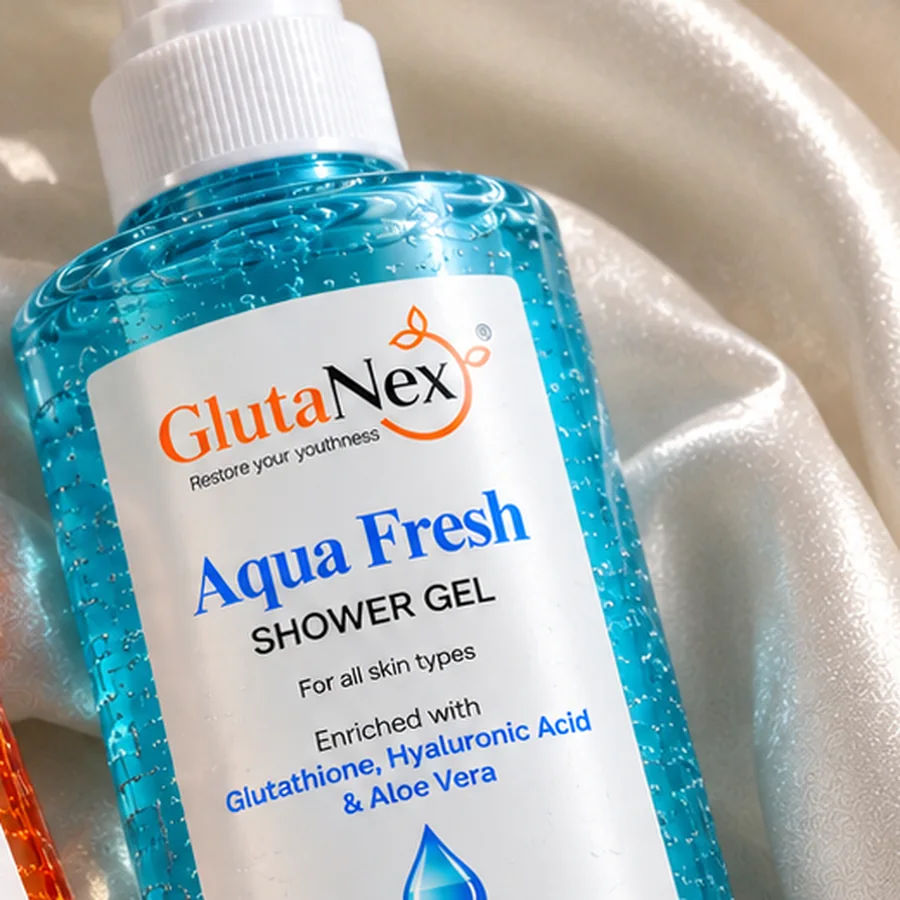 Shower Gel
 Wash + Gel Combo
 Cream + Gel Combo
 Glow Trio