
Glutathione cream with honey: can you use both, and how?
Can you use honey with glutathione cream? How to use a simple honey mask before the cream, why not to mix honey into the jar, who should skip it, and what honey can and cannot do.
Can I use honey with glutathione cream?
Yes, as separate steps. Use a thin layer of plain honey as a 10 to 15 minute wash-off mask on clean skin, rinse it off, pat dry, then apply the glutathione cream. Do not mix honey into the jar, and patch test both first.
Should I apply honey before or after glutathione cream?
Before, and wash it off. Honey is sticky and works best as a short mask. Leaving it on top of the cream overnight makes the face tacky, attracts dust and stops the cream spreading evenly.
Does honey with glutathione make skin fair?
No. Honey helps skin feel softer and look less dull, and a glutathione cream with daily sunscreen may help tan and dark marks look lighter slowly over 8 to 12 weeks. Neither changes your natural skin colour.
You can use honey with glutathione cream, but as two separate steps: a short honey mask on clean skin first, washed off, and the cream after that. Honey is sticky and works best as a wash-off mask, while the cream is meant to stay on, so mixing them in the jar or leaving honey on overnight does more harm than good.
Shahad is in almost every Indian kitchen and is one of the most shared home remedies for dry, dull-looking skin, especially as the weather turns cold. This guide explains the right order, how long to keep honey on, who should skip it and what to expect.
Honey vs glutathione cream at a glance
| Plain honey | Glutathione cream | |
|---|---|---|
| Main cosmetic job | Humectant: helps skin hold water, feels softer | Brighter, more even-looking tone over weeks |
| How to use | Thin wash-off mask, 10 to 15 minutes | Thin leave-on layer, as the last night step |
| Texture | Thick and sticky | Spreads as a cream |
| Main downside | Sticky, attracts dust, some people are allergic to bee products | Works slowly; needs sunscreen every morning |
| What it cannot do | Fade spots or tan on its own | Change your natural skin colour |
The right order on a honey night
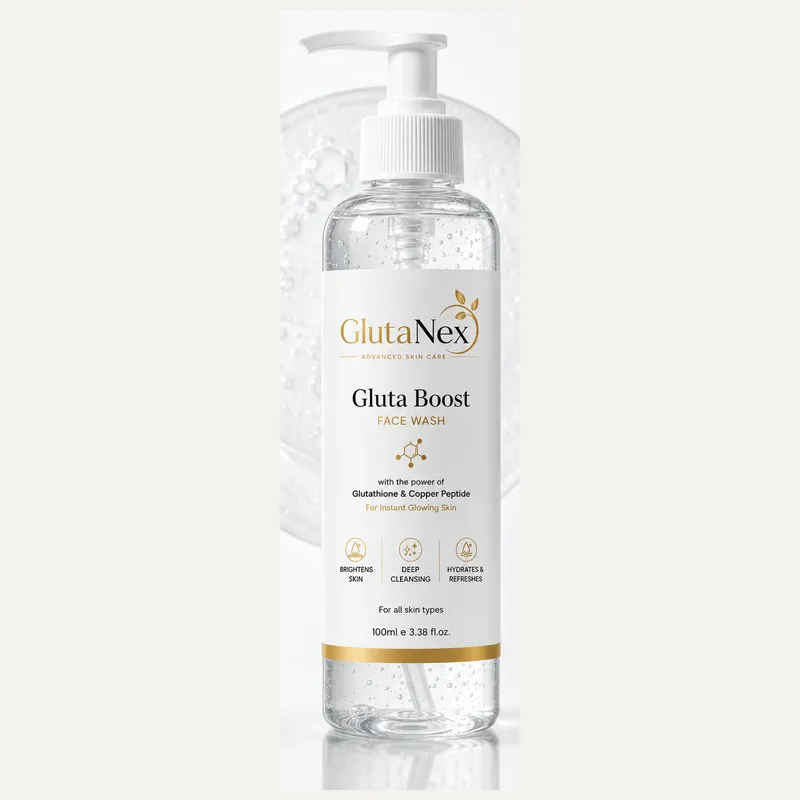
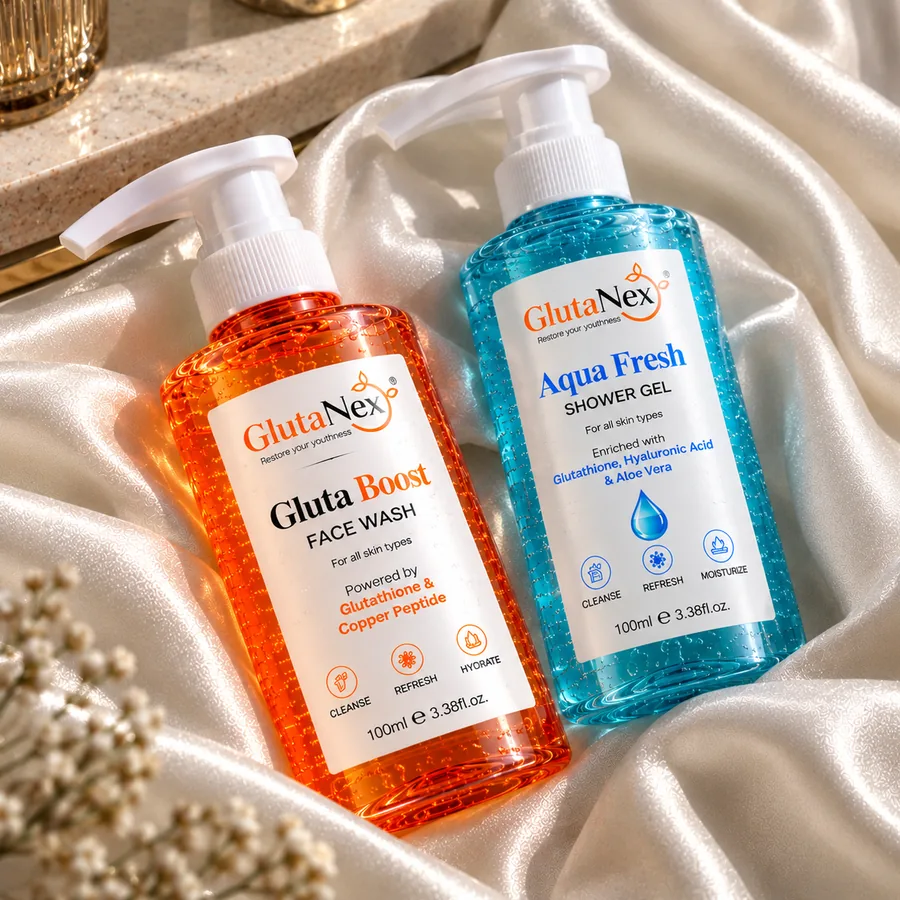
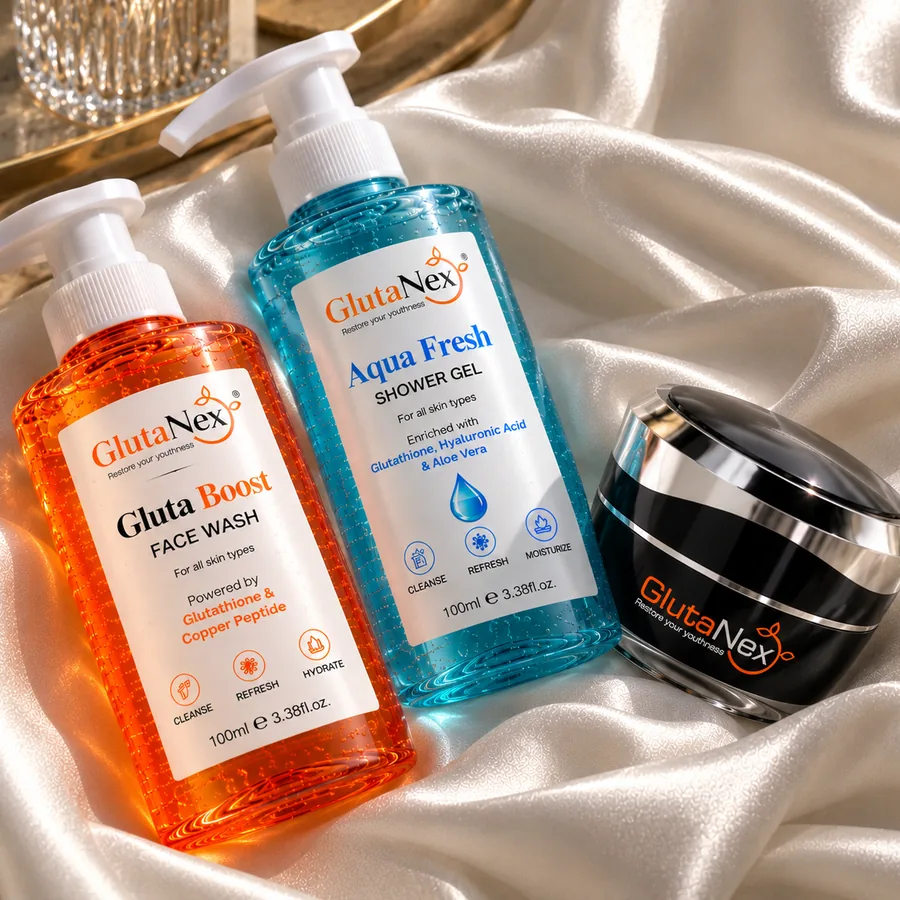
- Cleanse with a gentle face wash such as Gluta Boost Face Wash and pat dry.
- Apply a thin layer of plain honey with clean fingers, avoiding the eyes and the hairline. About half a teaspoon is enough for the face.
- Leave it for 10 to 15 minutes. Sit somewhere cool; honey melts and drips in a hot room.
- Rinse with lukewarm water using soft circles, then pat dry. No scrubbing.
- Apply the glutathione cream as a thin, pea-sized layer.
- Sunscreen every morning, SPF 30 or higher.
Once or twice a week is plenty. Honey is an occasional extra, not a daily step. For the general layering rules, see how to use glutathione cream and glutathione cream and moisturizer.
Why not to mix honey into the cream
- It can spoil the jar. Adding a food product and dipping fingers in brings in water, air and germs.
- It changes the texture. The cream becomes sticky and spreads unevenly.
- You cannot control the amount of honey or of the cream's actives in each scoop.
The same rule applies to lemon, haldi and other kitchen add-ins. Lemon in particular is best kept off the face; read glutathione cream with lemon.
A special note on GlutaNex Night Cream
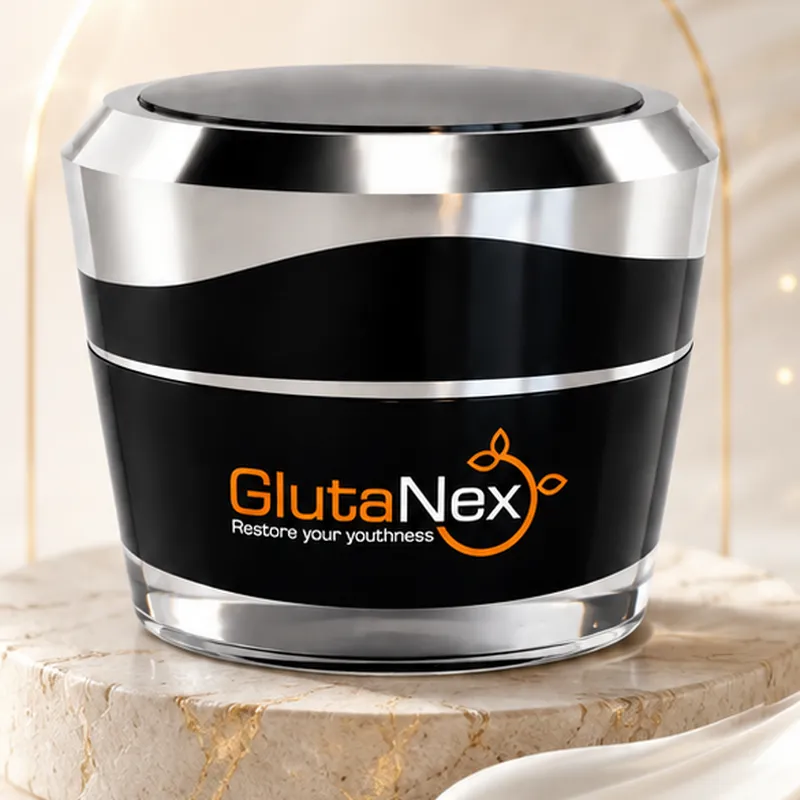
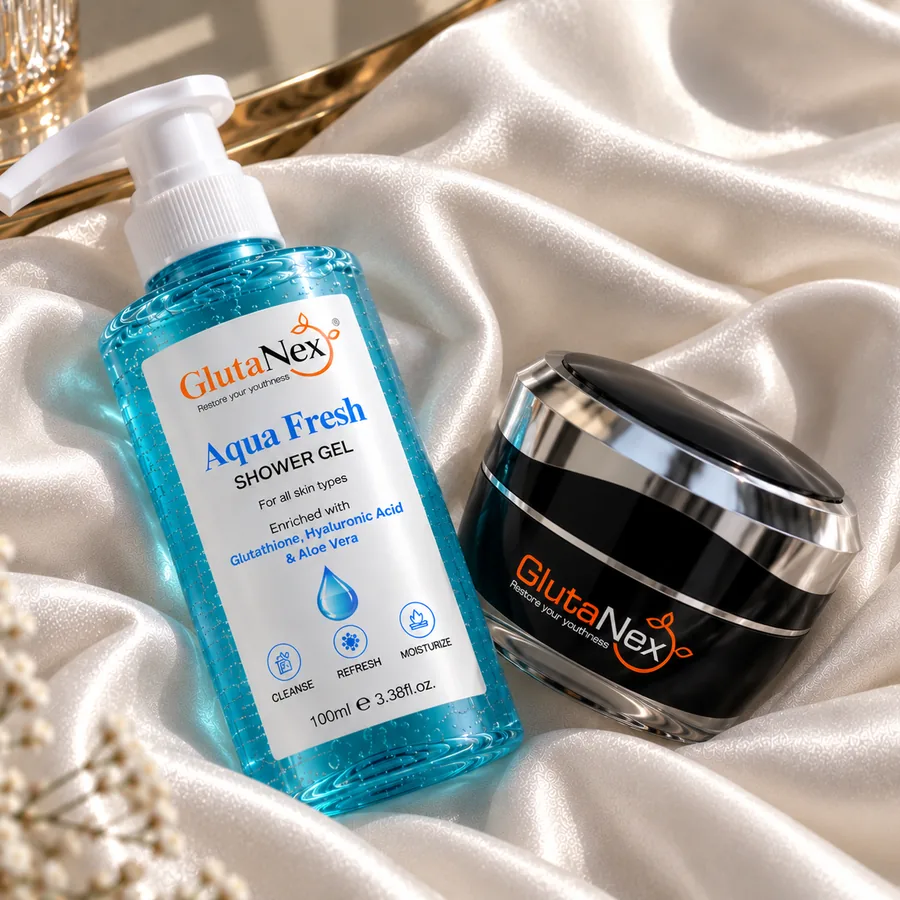
GlutaNex Glutathione Night Cream contains glutathione, niacinamide, hyaluronic acid, vitamin C, retinol, ceramides, salicylic acid, peptides, aloe vera, turmeric and neem. Hyaluronic acid is already a humectant, so many people do not need honey for hydration under it.
- Because of the retinol and salicylic acid, the cream is for night only. Start it 2 to 3 nights a week.
- Keep the honey mask plain. Do not add sugar, besan scrubbing, coffee or lemon on nights you use the Night Cream; rubbing grains on skin before retinol is a common cause of stinging.
- If your skin is going through the first weeks of retinol and feels dry, a honey mask on a rest night (no Night Cream) followed by a plain moisturiser is a gentle option.
- If the cream stings after a mask, wash it off and read glutathione cream burning.
Which skin types suit a honey mask
| Skin type or season | Honey mask? |
|---|---|
| Dry skin, North Indian winter, heater rooms | Yes, once or twice a week. See glutathione cream for dry skin |
| Normal or combination skin | Occasionally, mainly on dry cheeks |
| Oily skin in humid weather | Optional; keep it short (10 minutes) and rinse well |
| Acne-prone skin | Patch test first and rinse well; stop if you get new bumps. See can glutathione cream cause pimples |
| Allergy to pollen, bee stings or bee products | Skip it |
| Broken, sunburnt or freshly waxed skin | Skip both the mask and the Night Cream until the skin settles |
Choosing and storing honey
- Use plain honey with nothing added. Flavoured or "honey syrup" products are not meant for skin.
- Take out a small amount with a clean, dry spoon into a bowl; never dip used fingers into the honey jar.
- Close the jar tightly and keep it away from ants and heat. Honey that has crystallised is fine; warm the bowl in your palm.
What to expect, honestly
A honey mask can leave skin feeling softer and looking fresher for the evening. It does not fade dark spots, tan or acne marks by itself. Those need steady sunscreen and time; a glutathione cream may help them look lighter slowly over 8 to 12 weeks. See glutathione cream results and glutathione cream in winter for a full cold-season routine.
When to see a dermatologist
Stop and wash off if you get itching, swelling, hives or burning after honey or any cream. Get urgent medical help for swelling of the lips, eyes or throat, or trouble breathing. See a dermatologist for rashes that do not settle, or for patchy pigmentation such as melasma. Patch test honey and any new cream on the jaw or inner arm for 24 to 48 hours first.
General information about cosmetic skincare, not medical advice. Results vary from person to person. See a dermatologist for persistent or changing pigmentation.
More glutathione guides
Glutathione: what it is, what it does for skin, and how to use it safely
The complete guide: what glutathione is, how it affects skin, every form compared, and the research.
GuideGlutathione cream after shaving: when to apply it and when to wait
Can men apply glutathione cream right after shaving? Why freshly shaved skin can sting, the best timing with a retinol night cream, razor-burn rules and a simple shave-day routine.
GuideGlutathione cream after waxing or threading: how long to wait
Can you apply glutathione cream after face waxing, threading or bleach? How long to wait, what to use instead on the first night, and how to plan parlour visits around a retinol night cream.
 Night Cream
 Face Wash
 Glow Duo
 Shower Gel
 Wash + Gel Combo
 Cream + Gel Combo
 Glow Trio