
Glutathione cream with orange peel powder: can you use both?
Can you use orange peel powder with glutathione cream? Yes, as a gentle rinse-off pack on a night you skip the cream, never rubbed hard or mixed into the jar. Right order, safe mixes, who should skip it, honest results.
Can I use orange peel powder with glutathione cream?
Yes, with care. Use orange peel powder only as a rinse-off pack mixed with curd, rose water or plain water, leave it on for about 10 minutes and wash it off without rubbing. If your glutathione cream has retinol or salicylic acid, use the pack on a night you skip the cream. Never mix the powder into the jar.
Should I apply orange peel powder before or after glutathione cream?
Before, and ideally not on the same night. The pack goes on clean skin and is rinsed off; the cream goes on later as a thin leave-on layer. With a retinol or salicylic acid night cream, keep the pack for a separate night so your skin does not get two strong steps at once.
Does orange peel powder with glutathione cream make skin fair?
No. An orange peel pack can make skin look fresher for a while, and a glutathione cream used with daily sunscreen may help tan and dark marks look lighter slowly over 8 to 12 weeks. Neither changes your natural skin colour.
Yes, you can use orange peel powder with glutathione cream, as long as the powder stays a gentle rinse-off pack and the cream stays your leave-on step. Mix a little powder with curd or rose water, leave it on for about 10 minutes, rinse without scrubbing, and use it on a night you skip a retinol or salicylic acid cream. Never stir the powder into the jar.
Dried santre ke chilke (orange peel) powder is a favourite in Indian home packs and ubtans, especially before weddings and festivals. This guide explains where it fits next to a glutathione cream, why it can irritate, and what it can and cannot do.
Orange peel powder vs glutathione cream at a glance
| Orange peel powder pack | Glutathione cream | |
|---|---|---|
| What it is | Dried, ground citrus peel, mixed into a paste | A leave-on face cream |
| Main cosmetic job | A fresh, polished feel after rinsing | Brighter, more even-looking tone over weeks |
| How long it stays on | About 10 minutes, then rinsed off | Left on overnight as a thin layer |
| Main downside | Grainy texture and citrus oils can irritate; easy to over-scrub | Works slowly; needs sunscreen every morning |
| What it cannot do | Remove tan, dark spots or pigmentation | Change your natural skin colour |
The safe way to use both
- Patch test the pack on your inner arm or behind the ear for 10 minutes and check again the next day. Citrus peel can sting or cause a rash in some people.
- Pick your pack night. If your cream contains retinol or salicylic acid, use the orange peel pack on a night you skip the cream, once a week at most.
- Wash your face with a gentle face wash such as Gluta Boost Face Wash and pat dry.
- Make a small, smooth paste: about half a teaspoon of fine powder with enough curd, rose water or plain water to make it spreadable. Sieve coarse powder first.
- Apply and leave for about 10 minutes. Keep it away from the eyes, lips and any pimples or cuts. Do not let it dry hard and crack.
- Rinse with plain water, using wet fingertips in light circles for a few seconds only. Do not rub it like a scrub.
- Moisturise with a plain moisturiser that night. Go back to the cream the next night if your skin feels calm.
- Sunscreen every morning, SPF 30 or higher. This does more for tan than any pack.
For the full face method, read how to use glutathione cream.
Why orange peel can irritate
Orange peel is not as mild as it smells. Dried peel powder is grainy, so rubbing it in works like a scrub, and the peel naturally contains citrus oils that can sting, especially on dry, sensitive or freshly waxed skin. Shop-bought powders also vary a lot: some are fine, some are coarse, and some have added fragrance or colour. Buy a plain powder with a clear label, smell it before use, and throw it away if it smells musty or has gone damp in the monsoon.
Orange peel mixes: what is fine and what to skip
| Mix | Our view |
|---|---|
| Orange peel powder stirred into the cream jar | Never. Powder and moisture in the jar spoil the cream and add grit |
| Orange peel + curd, rinsed off | Fine for normal and dry skin; see glutathione cream with curd |
| Orange peel + rose water, rinsed off | Fine for most skin; see rose water with glutathione cream |
| Orange peel + besan in an ubtan | Fine once a week if rinsed gently; see glutathione cream with besan |
| Orange peel + lemon juice | Skip. Two citrus steps at once is harsh; see glutathione cream with lemon |
| Orange peel + baking soda or toothpaste | Skip. Both can irritate the face |
| Fresh orange juice left on overnight | Skip. Acidic, sticky and easy to irritate with |
A special note on GlutaNex Night Cream
GlutaNex Glutathione Night Cream contains glutathione, niacinamide, hyaluronic acid, vitamin C, retinol, ceramides, salicylic acid, peptides, aloe vera, turmeric and neem. It does not contain orange peel. Because of the retinol and salicylic acid, it is a night-only face cream and it already exfoliates gently.
- Start the cream 2 to 3 nights a week, and keep any orange peel pack for one of the other nights.
- Skip grainy packs completely for the first few weeks while your skin gets used to retinol.
- Do not use the pack or the cream on freshly waxed, threaded or broken skin.
- If your face stings after the cream, wash it off and read glutathione cream burning.
Who should skip orange peel powder
- Sensitive or easily red skin; see glutathione cream for sensitive skin.
- Active pimples or broken skin. Grainy packs can make them worse.
- Anyone allergic to citrus fruits when eating or touching them.
- Skin already irritated by a new retinol, salicylic acid or prescription cream.
Orange peel for tan and dullness: an honest view
An orange peel pack can make skin feel smoother and look fresher for the evening, and that is a fair reason to enjoy it. It does not remove tan or fade dark spots on its own. Tan and marks look lighter slowly, over weeks, with shade, covering up, daily sunscreen and steady care; read glutathione cream for summer tan and glutathione for dull skin.
When to see a dermatologist
See a dermatologist if your skin burns, swells or breaks into a rash after a citrus pack, if dark patches on the cheeks keep spreading (this can be melasma, which needs a doctor; see glutathione for melasma), or if you have painful pimples.
General information about cosmetic skincare, not medical advice. Results vary from person to person. See a dermatologist for persistent or changing pigmentation.
More glutathione guides
Glutathione: what it is, what it does for skin, and how to use it safely
The complete guide: what glutathione is, how it affects skin, every form compared, and the research.
GuideIce cube on face with glutathione cream: right order and safe use
Can you use an ice cube on your face with glutathione cream? Yes: wrap the ice in a cloth, keep it moving for about a minute, let skin warm back up, then apply the cream. What ice can and cannot do, and who should skip it.
GuideGlutathione cream with olive oil: can you use both?
Can you use olive oil with glutathione cream? Yes, on dry skin, as a few drops pressed over the cream or on body patches, never mixed into the jar. Right order, who should skip it, winter tips and honest results.
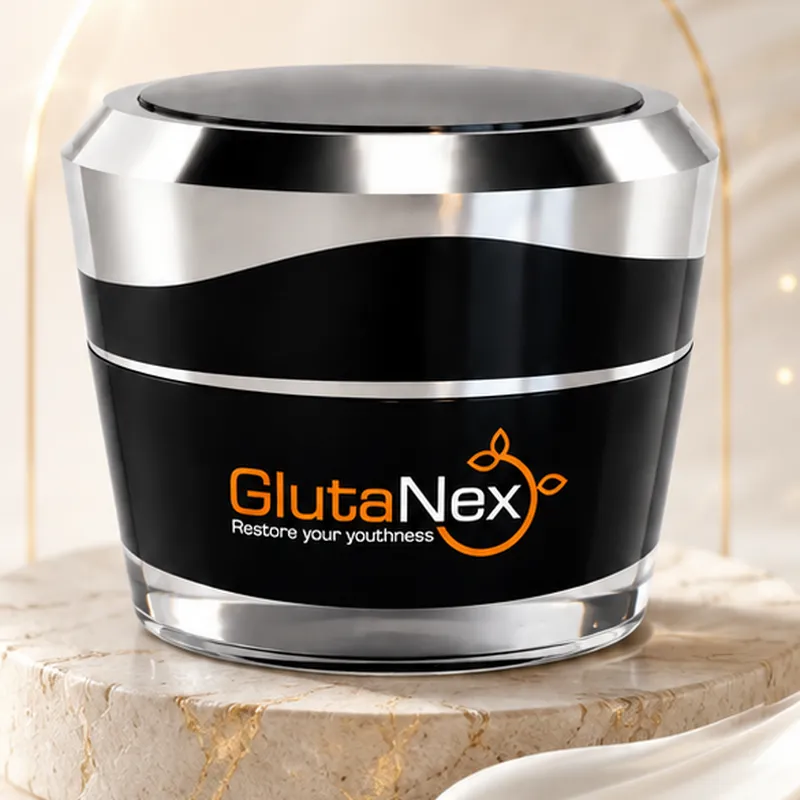 Night Cream
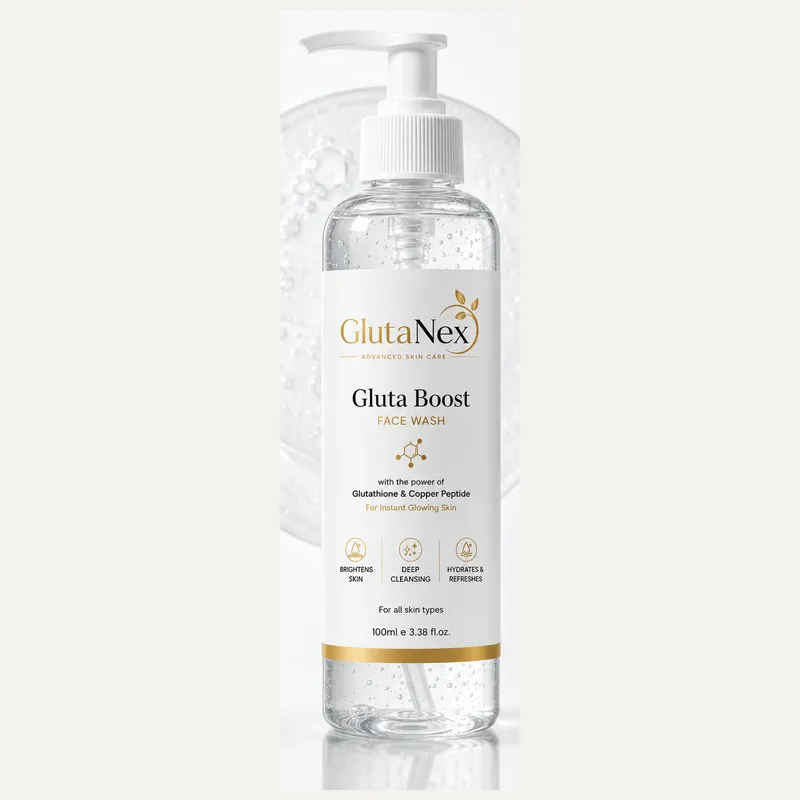 Face Wash
 Glow Duo
 Shower Gel
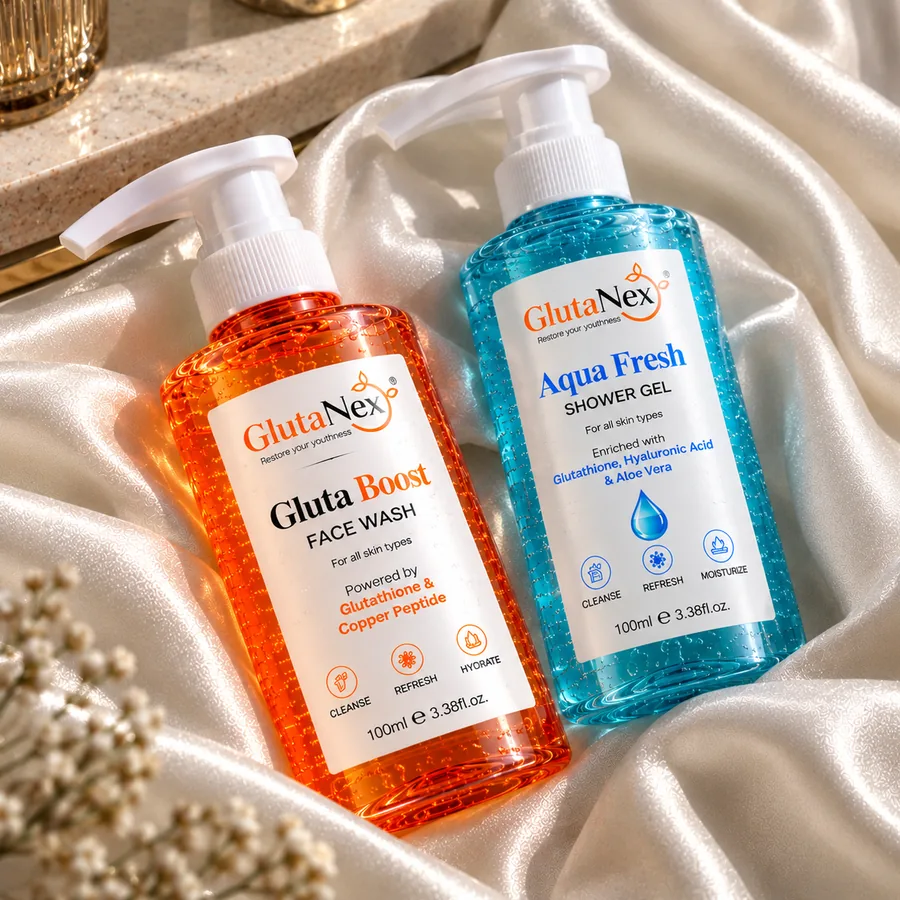 Wash + Gel Combo
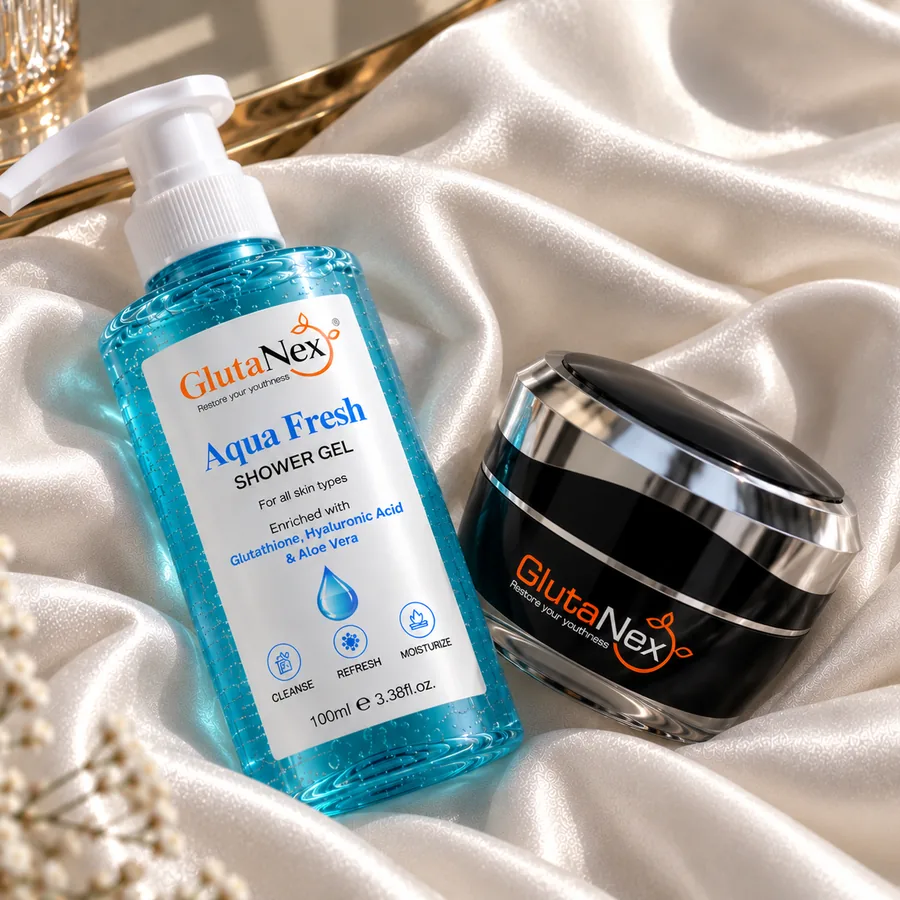 Cream + Gel Combo
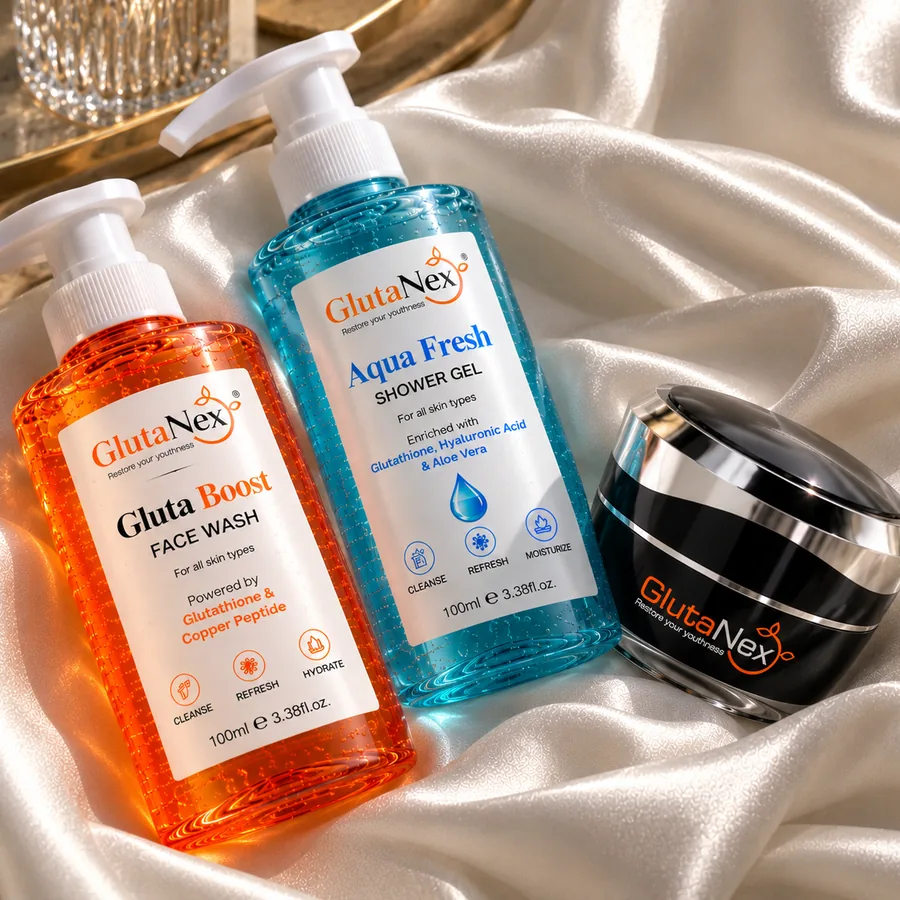 Glow Trio