
Glutathione cream with olive oil: can you use both?
Can you use olive oil with glutathione cream? Yes, on dry skin, as a few drops pressed over the cream or on body patches, never mixed into the jar. Right order, who should skip it, winter tips and honest results.
Can I use olive oil with glutathione cream?
Yes, if your skin is dry. Apply the glutathione cream first on clean skin, wait a few minutes, then press one or two drops of olive oil over dry patches only. Never mix the oil into the jar. If you have oily or acne-prone skin, skip olive oil on the face because it can feel heavy and clog pores.
Should I apply olive oil before or after glutathione cream?
After. Oil forms a seal on top of the skin, so putting it on first can stop the cream from spreading evenly. Cream first as a thin layer, then a drop of oil on top only where the skin feels tight or flaky.
Does olive oil with glutathione cream make skin fair?
No. Olive oil can make dry skin feel softer and look less dull, and a glutathione cream used with daily sunscreen may help tan and dark marks look lighter slowly over 8 to 12 weeks. Neither changes your natural skin colour.
Yes, you can use olive oil with glutathione cream if your skin is dry: apply the cream first as a thin layer, then press one or two drops of olive oil over the dry patches only. Do not mix the oil into the jar, and skip olive oil on the face if you are oily or get pimples easily.
Jaitoon ka tel (olive oil) sits in many Indian kitchens and is often used for winter massage. This guide explains where it fits next to a glutathione cream, who it suits, and what it can and cannot do.
Olive oil vs glutathione cream at a glance
| Olive oil | Glutathione cream | |
|---|---|---|
| What it is | A plant oil, mostly fatty acids | A leave-on face cream with active ingredients |
| Main cosmetic job | Softens and seals in moisture on dry skin | Brighter, more even-looking tone over weeks |
| Texture | Thick and greasy; takes time to sink in | A cream meant to be spread thinly |
| Main downside | Can feel heavy, attract dust and clog pores on oily skin | Works slowly; needs sunscreen every morning |
| What it cannot do | Remove tan, dark spots or pigmentation | Change your natural skin colour |
The right way to use both
- Patch test the oil on your jawline for two or three nights before using it on the whole face. Look for bumps, itching or redness.
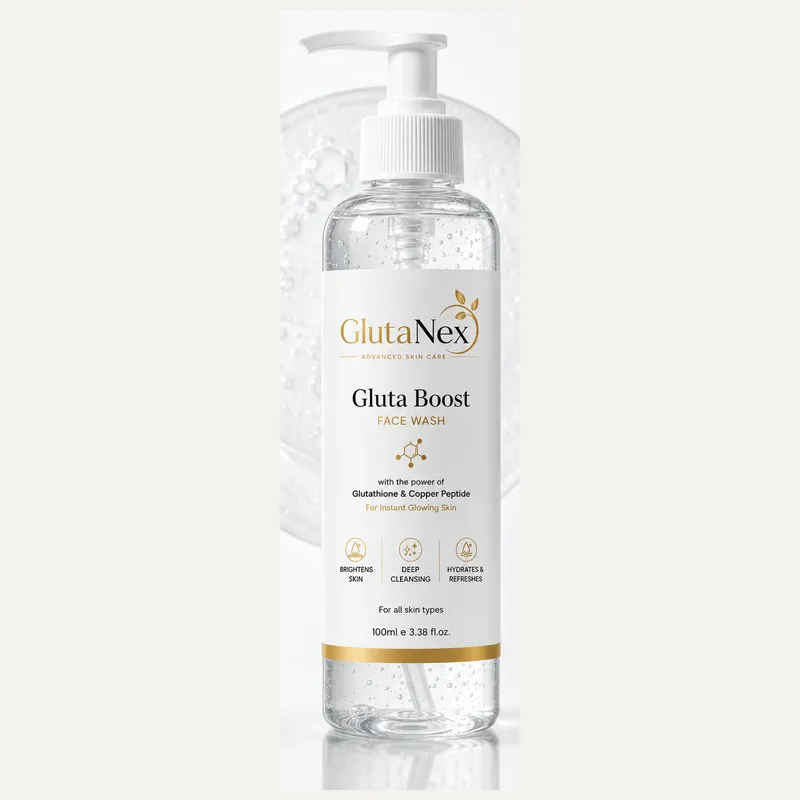
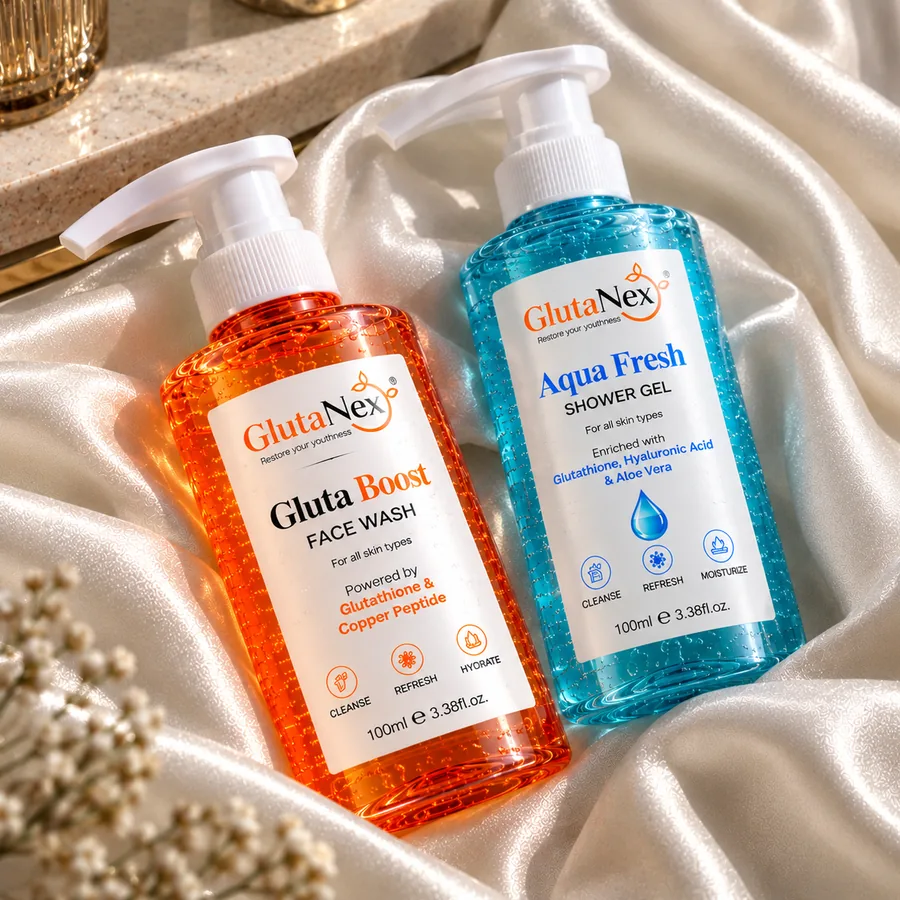
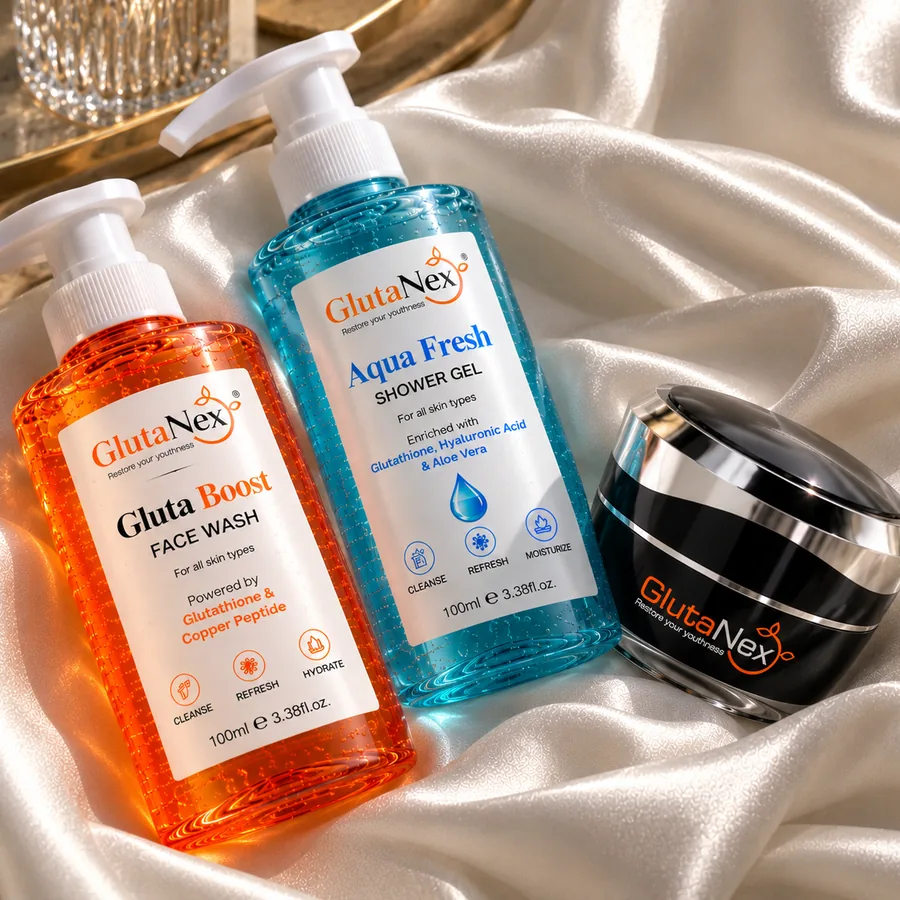
- Wash your face with a gentle face wash such as Gluta Boost Face Wash and pat it almost dry.
- Apply the glutathione cream as a thin layer, about a pea-sized amount for the whole face.
- Wait 5 to 10 minutes so the cream settles.
- Warm one or two drops of olive oil between your fingertips and press them onto dry areas only: cheeks, around the nose, chin. Do not rub hard.
- Keep the oil away from the eyes and any pimples.
- Sunscreen every morning, SPF 30 or higher, after washing off the night layers.
For the full face method, read how to use glutathione cream.
Which olive oil, and how much
For skin, a plain extra virgin or cold-pressed olive oil without added fragrance is the simplest choice. Cooking blends, flavoured oils and "pomace" oil are meant for food, not the face. Keep a small separate bottle for skin so you are not dipping greasy fingers into the kitchen bottle, and close it tightly; oil that smells sharp or stale has gone off and should not go on your face. One or two drops is enough for the face. More than that just sits on top, feels sticky on the pillow and gathers dust if you step out.
Who should skip olive oil on the face
- Oily or acne-prone skin. Olive oil is heavy, and some people find it leads to small bumps or pimples. A light, oil-free moisturiser is a better partner; see glutathione for oily skin and can glutathione cream cause pimples.
- Humid weather. In Mumbai, Chennai, Kolkata or the monsoon months anywhere, an extra oil layer often feels greasy. Keep it for dry winter nights.
- Very sensitive or eczema-prone skin. Plant oils do not suit everyone with a weak skin barrier. Ask a dermatologist what to use.
- Irritated or broken skin, including skin that is red after a new active cream.
Olive oil mixes: what is fine and what to skip
| Mix | Our view |
|---|---|
| Olive oil stirred into the cream jar | Never. It changes the texture and can spoil the cream |
| A drop of olive oil pressed over the cream on dry patches | Fine for dry skin in winter |
| Olive oil on elbows, knees, heels and hands | Fine and often the best use of it; see glutathione for hands and feet |
| Olive oil + lemon juice | Skip. Lemon can sting and irritate; see glutathione cream with lemon |
| Olive oil + sugar as a face scrub | Skip on the face, especially with a retinol cream |
| Olive oil in place of sunscreen | Never. It gives no reliable sun protection |
If you are choosing between oils, compare with glutathione cream with almond oil and glutathione cream with coconut oil.
A special note on GlutaNex Night Cream
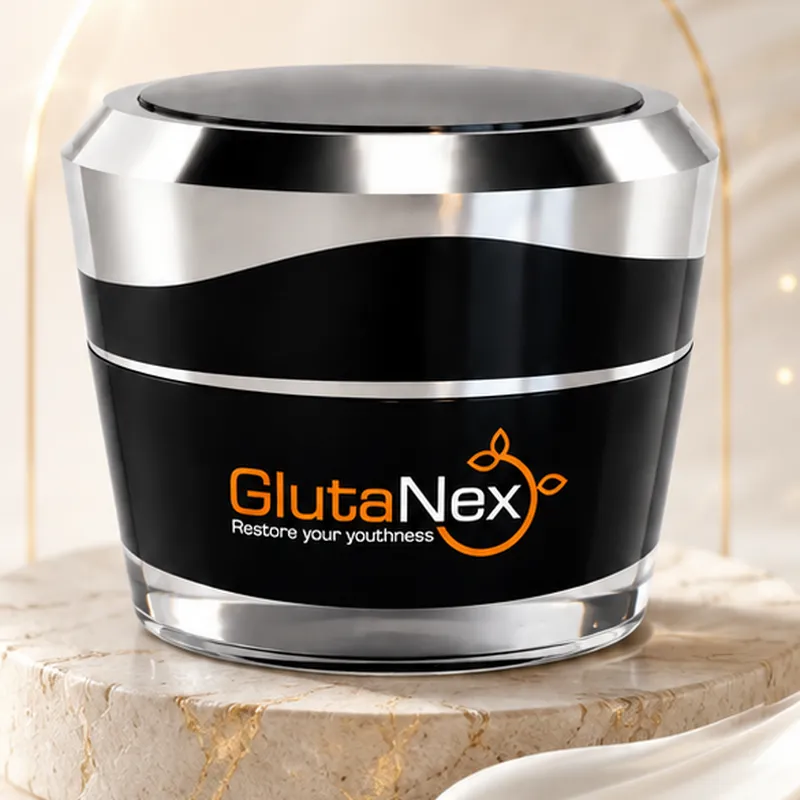
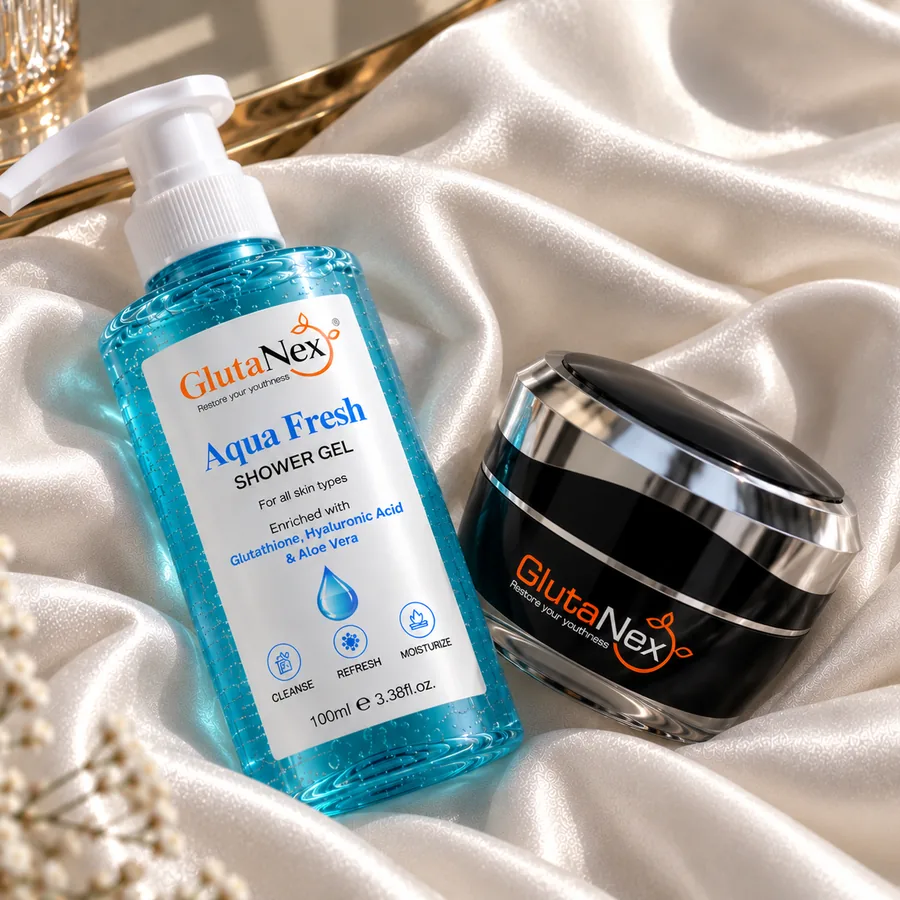
GlutaNex Glutathione Night Cream contains glutathione, niacinamide, hyaluronic acid, vitamin C, retinol, ceramides, salicylic acid, peptides, aloe vera, turmeric and neem. It does not contain olive oil. Because of the retinol and salicylic acid, it is a night-only face cream, used 2 to 3 nights a week at first.
- Retinol can make skin feel dry in the first weeks. A drop of oil over the cream on dry cheeks can help with comfort, but a plain moisturiser is often enough; see glutathione cream and moisturizer.
- Do not use the cream on lips or freshly waxed or broken skin, and do not use it in pregnancy or breastfeeding unless your doctor says it is fine.
- If your face stings after the cream, wash it off and read glutathione cream burning.
Olive oil for tan and dullness: an honest view
Olive oil can make dry, flaky skin look smoother and less dull, which is a fair reason to use it in winter. It does not remove tan or fade dark spots. Tan and marks look lighter slowly, over weeks, with shade, covering up and daily sunscreen; read glutathione cream in winter and glutathione cream for dry skin.
When to see a dermatologist
See a dermatologist if your skin breaks into many small bumps, itches or turns red after using oil, if dryness cracks or bleeds, or if dark patches keep spreading on the cheeks (this can be melasma, which needs a doctor; see glutathione for melasma).
General information about cosmetic skincare, not medical advice. Results vary from person to person. See a dermatologist for persistent or changing pigmentation.
More glutathione guides
Glutathione: what it is, what it does for skin, and how to use it safely
The complete guide: what glutathione is, how it affects skin, every form compared, and the research.
GuideGlutathione cream with green tea: how to use both
Can you use green tea with glutathione cream? Yes: a cooled green tea rinse or toner on clean skin before the cream, or a chilled tea bag for puffy eyes. Right order, what to skip and an honest view of results.
GuideFace steaming with glutathione cream: is it a good idea?
Can you steam your face before glutathione cream? Only gently: a few minutes of warm (not hot) steam, then wait for skin to cool before a thin layer of cream. Why steam does not make a cream work better, who should skip it, and the night-only retinol rule.
 Night Cream
 Face Wash
 Glow Duo
 Shower Gel
 Wash + Gel Combo
 Cream + Gel Combo
 Glow Trio