
Face steaming with glutathione cream: is it a good idea?
Can you steam your face before glutathione cream? Only gently: a few minutes of warm (not hot) steam, then wait for skin to cool before a thin layer of cream. Why steam does not make a cream work better, who should skip it, and the night-only retinol rule.
Can I apply glutathione cream after face steaming?
Yes, but wait. Keep the steam warm rather than hot and short, about 5 minutes, then pat the face dry and let it cool for 10 to 15 minutes before a thin layer of cream. Warm, flushed skin can sting more with a cream that has retinol or salicylic acid.
Does steaming help glutathione cream absorb better?
There is no good reason to think so. Steam softens the top layer of skin for a short time, but a cream does its cosmetic job over weeks of steady use, not because it was applied on steamed skin. If steam makes your skin red or itchy, you lose more than you gain.
How often can I steam my face?
Once a week is plenty for most people, and many people do not need steam at all. Skip it on dry, sensitive or red skin, and on nights when you use a retinol night cream for the first few weeks.
You can steam your face and use glutathione cream, but keep the steam gentle and short, about 5 minutes of warm (not hot) steam, and let your skin cool for 10 to 15 minutes before a thin layer of cream. Steam is optional; it does not make a cream work faster, and on dry or sensitive skin it can do more harm than good.
Bhaap lena (taking steam over a bowl of hot water) is common in Indian homes for colds, and many parlour facials start with a steamer. In winter, when skin is already dry from cold air and room heaters, it is worth knowing where steam helps and where it does not.
What steam does and does not do
| What it can do | What it cannot do | |
|---|---|---|
| Softening | Softens the top layer and loosens surface oil and grime for a short time | "Open" pores (pores do not open and close like doors) |
| Feel | Feels relaxing; can make the face feel fresh | Detox the skin or remove tan |
| With a cream | Can make skin feel softer before you apply it | Make a cream work faster or "go deeper" in any useful way |
| Downside | Short-lived benefit | Too hot or too long: redness, dryness, flare of sensitive skin |
For pores, read glutathione for open pores.
The safe way to steam, then apply the cream
- Wash your face with a gentle face wash such as Gluta Boost Face Wash and remove all makeup.
- Use warm water, not boiling. Pour hot water into a wide bowl and let it sit for a minute or two so the steam is warm, not scalding.
- Keep your face about 30 cm (a forearm's length) away. A towel over the head is optional; if you use one, lift it often.
- Steam for about 5 minutes, never more than 10. Stop at once if your skin burns, itches or turns very red.
- Rinse with cool water and pat dry with a clean towel.
- Wait 10 to 15 minutes until your face feels cool to the touch and no longer flushed.
- Apply a thin layer of glutathione cream, about a pea-sized amount for the whole face, away from eyes and lips.
- Add a plain moisturiser if skin feels tight, and sunscreen every morning, SPF 30 or higher.
For the full cream method, see how to use glutathione cream.
Things to skip
- Boiling water close to the face. Steam burns are a real risk, especially with children around. Keep the bowl on a stable table.
- Vicks, camphor, menthol or eucalyptus in the water. Fine for a blocked nose, but they can sting facial skin and eyes.
- Lemon, baking soda or salt in the water. They add nothing for skin and can irritate.
- Squeezing pimples or blackheads after steam. It leaves marks that take weeks to fade; see glutathione for acne marks.
- A scrub right after steam. Softened skin is easier to over-scrub.
- Steaming every day. Daily heat dries the skin, especially in north Indian winters.
Who should skip face steaming
- Dry or flaky skin, especially in winter; see glutathione cream for dry skin.
- Sensitive skin, or skin that flushes easily or has visible small red veins; see glutathione cream for sensitive skin.
- Melasma or patchy pigmentation. Heat is often said to make melasma harder to manage, so ask a dermatologist first; see glutathione for melasma.
- Eczema, rosacea or very active acne: ask a dermatologist.
- Skin that is red, peeling or freshly waxed, threaded or shaved; see glutathione cream after waxing or threading.
A special note on GlutaNex Night Cream
GlutaNex Glutathione Night Cream contains glutathione, niacinamide, hyaluronic acid, vitamin C, retinol, ceramides, salicylic acid, peptides, aloe vera, turmeric and neem. Because of the retinol and salicylic acid, it is a night-only face cream, used 2 to 3 nights a week at first.
- In the first few weeks of retinol, it is simplest to keep steam and the Night Cream on different nights. Warm, softened skin can feel the cream more.
- Once your skin is used to the cream, a short, warm steam with a full 15-minute cool-down before the cream is usually fine for normal and oily skin.
- If your face stings or burns after the cream, wash it off and read glutathione cream burning.
- Do not use it in pregnancy or breastfeeding unless your doctor says it is fine.
Parlour facials with steam
Most salon facials include a steamer, massage and a pack. Tell the beautician you use a retinol night cream and ask them to skip strong peels, bleach and harsh scrubs. Skip the Night Cream that night and the next if your face is red, then go back to your usual nights. Read glutathione facial benefits before booking one.
Steam for glow and tan: an honest view
Steam can leave the face feeling soft and looking fresh for a few hours. It does not remove tan, fade dark spots or change your natural skin colour. Tan and marks look lighter slowly, over weeks, with daily sunscreen, shade and a steady routine; see glutathione cream in winter and glutathione for dull skin.
When to see a dermatologist
See a doctor for any steam burn that blisters, and a dermatologist if your face stays red or itchy for days after steam, if small red veins appear, or if dark patches on the cheeks keep spreading.
General information about cosmetic skincare, not medical advice. Results vary from person to person. See a dermatologist for persistent or changing pigmentation.
More glutathione guides
Glutathione: what it is, what it does for skin, and how to use it safely
The complete guide: what glutathione is, how it affects skin, every form compared, and the research.
GuideGlutathione cream with coffee: scrub, pack and the right order
Can you use coffee with glutathione cream? Yes, as a separate rinse-off step: a soft coffee and curd pack, or a gentle coffee body scrub, then the cream on clean, dry skin. Never in the jar, never a hard face scrub on retinol nights, and an honest view of tan and dark circles.
GuideGlutathione cream with beetroot (chukandar): how to use them safely
Can you use beetroot with glutathione cream? Yes, as a separate rinse-off pack or lip tint, never mixed into the jar. The right order, what beetroot can and cannot do, mixes to skip, staining tips and the night-only retinol rule.
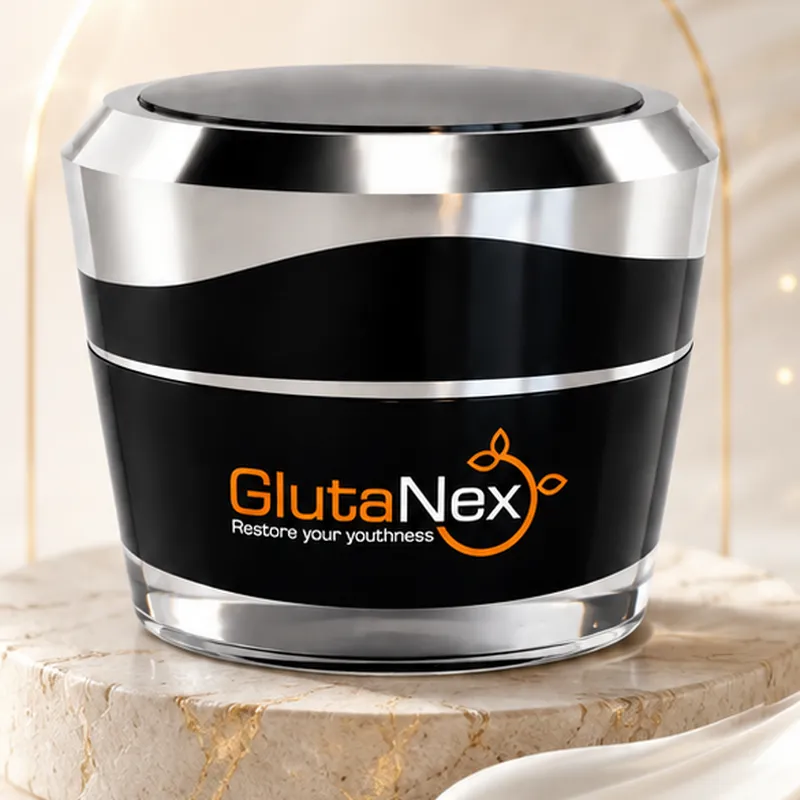 Night Cream
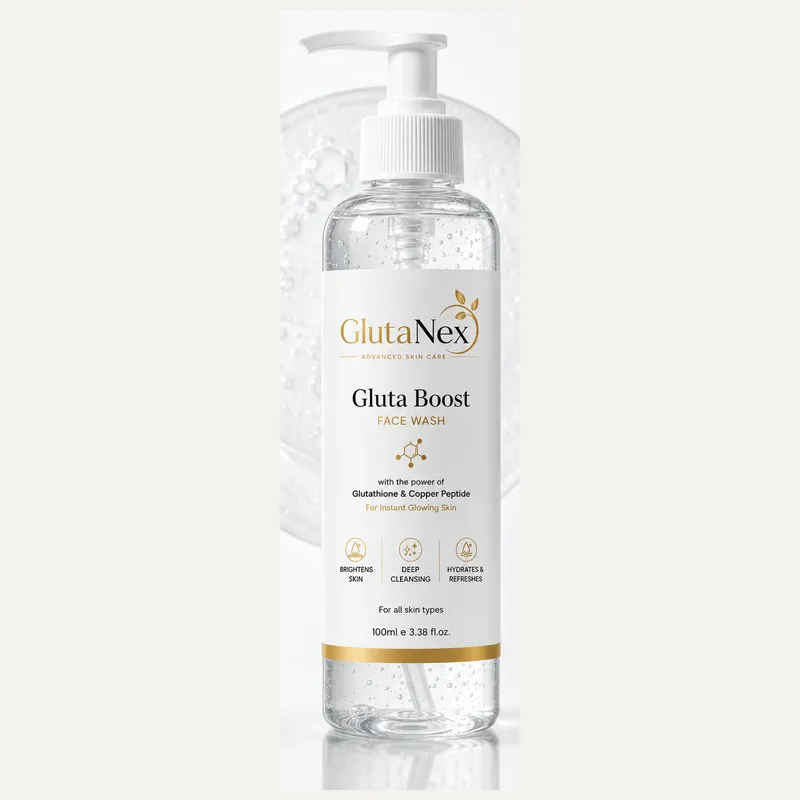 Face Wash
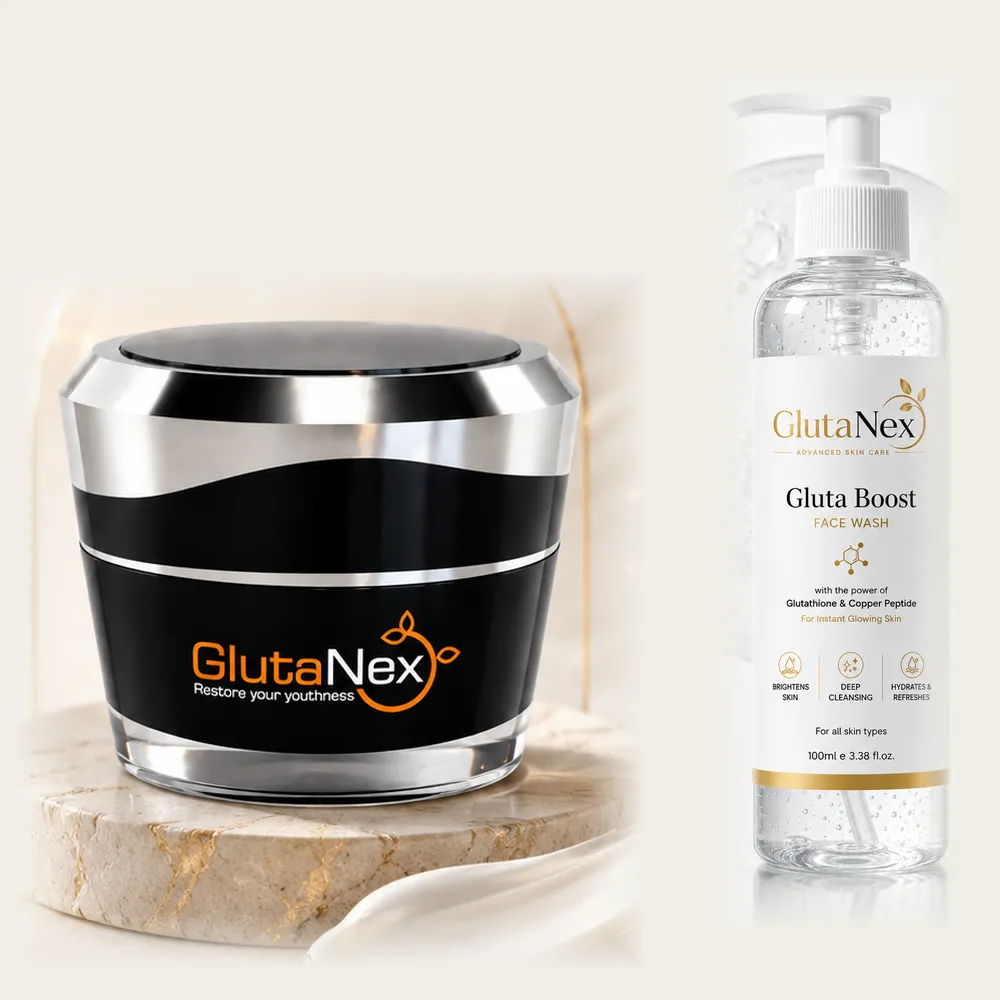 Glow Duo
 Shower Gel
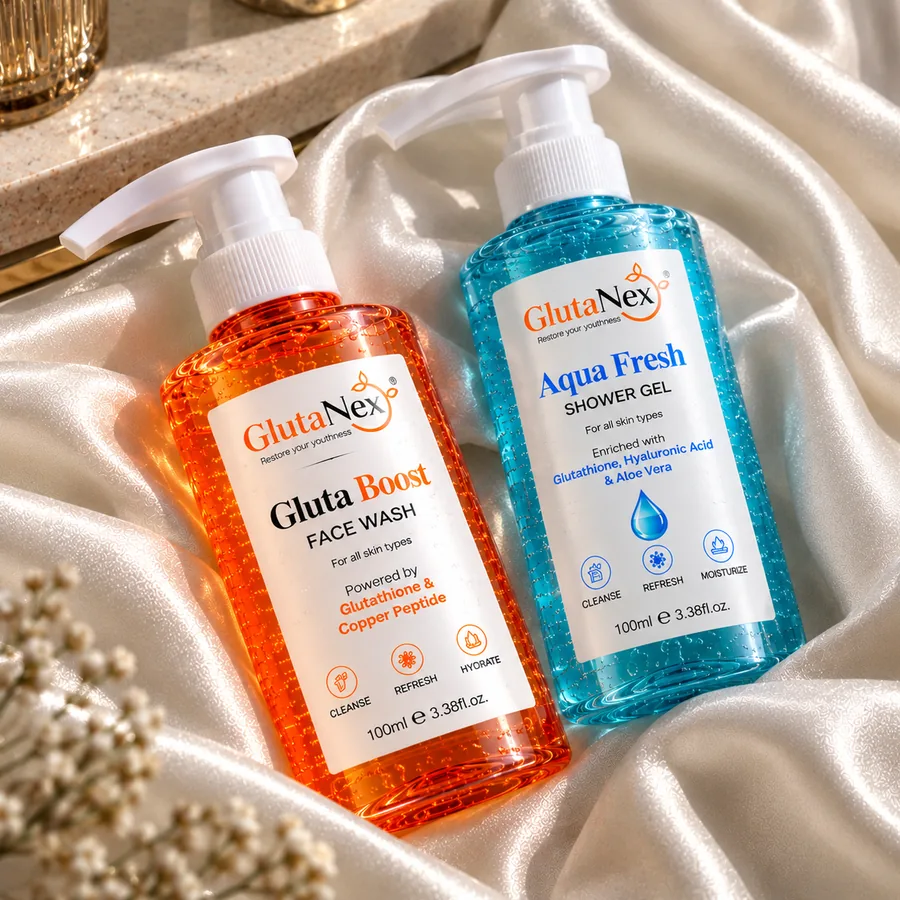 Wash + Gel Combo
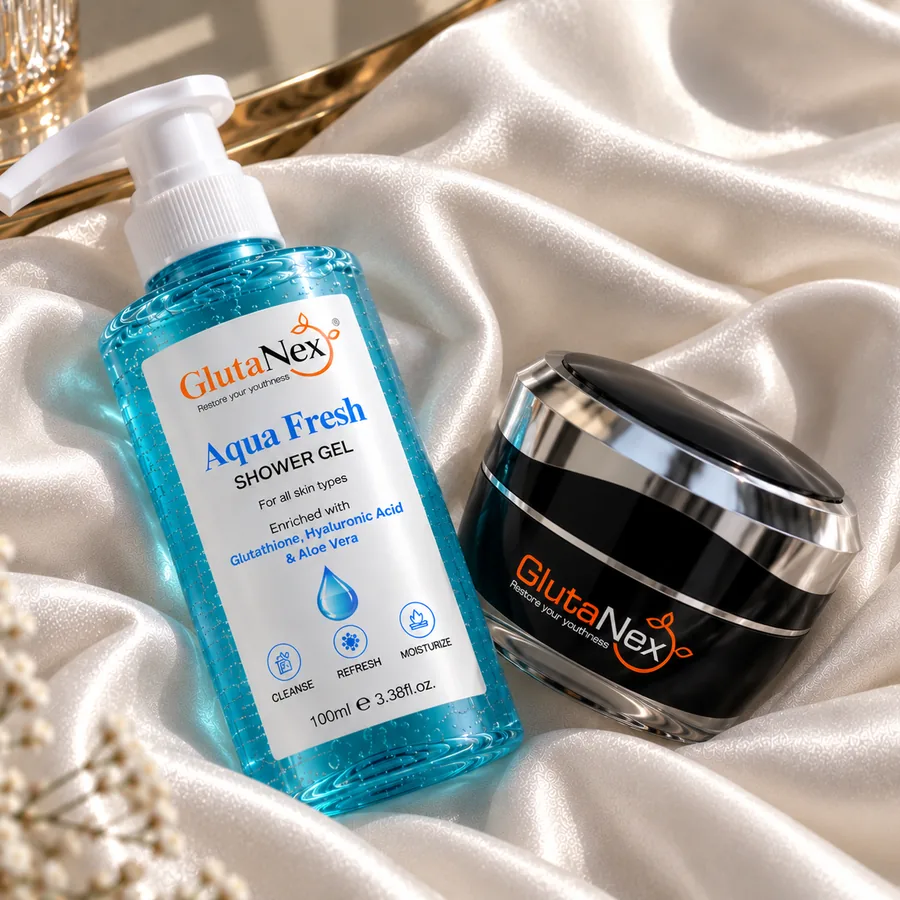 Cream + Gel Combo
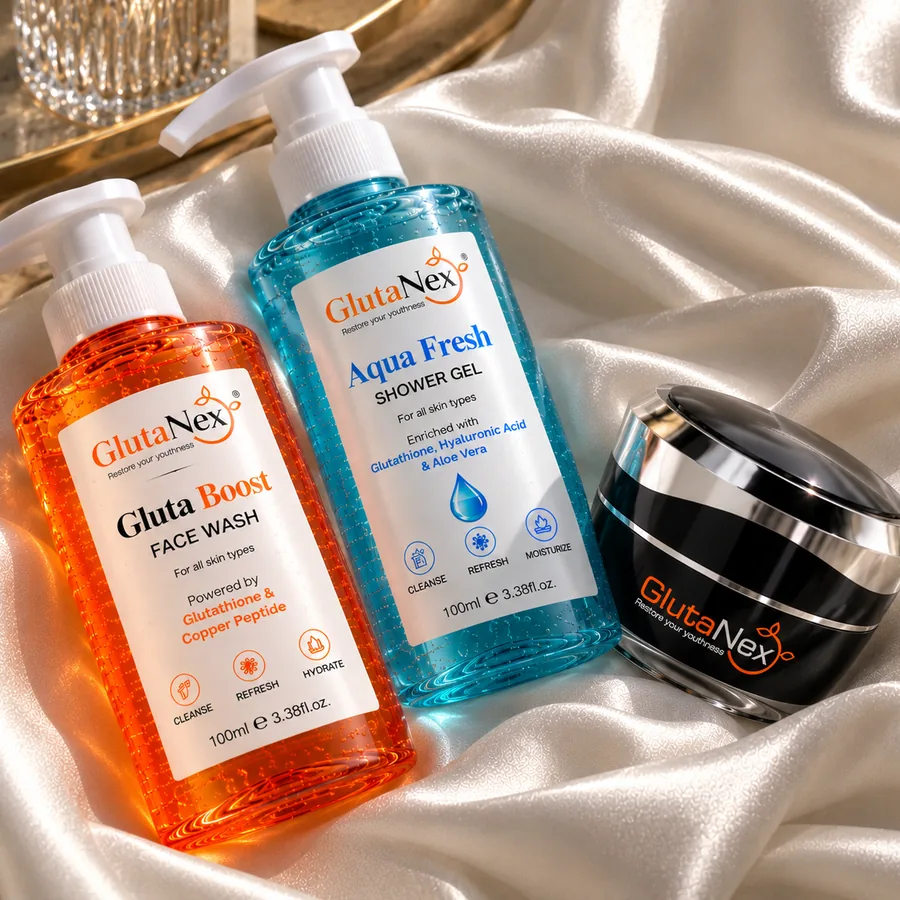 Glow Trio