
Glutathione cream with coconut oil: can you use both, and in what order?
Can you apply coconut oil with glutathione cream? Which goes first, where coconut oil helps and where it can clog pores, and a simple plan for face and body in Indian weather.
Can I apply coconut oil after glutathione cream?
Yes, on dry areas. Apply the glutathione cream first on clean skin, wait a few minutes, then press a few drops of coconut oil on top only where skin is very dry, such as cheeks in winter, elbows or heels. Oil goes last because it forms a layer that slows water loss. Skip the oil on oily or acne-prone face skin.
Can I mix glutathione cream with coconut oil?
It is better not to. Mixing them in your palm or in the jar dilutes the cream unevenly, can spoil the jar and makes the layer greasy. Keep them as separate steps: the cream first as a thin layer, then a little oil on top only where needed.
Does coconut oil with glutathione make skin fair?
No. Neither coconut oil nor glutathione changes the skin colour you were born with. Coconut oil can make dry skin feel softer and look less dull. A glutathione cream used with daily sunscreen may help tan and dark marks look lighter slowly, over 8 to 12 weeks.
You can use glutathione cream and coconut oil together, but put the cream on first and use the oil only as a thin last layer on dry areas. Coconut oil is a good softener for dry body skin, lips and heels, but on oily or acne-prone faces it can feel heavy and clog pores.
Nariyal tel is in almost every Indian home, so this question comes up a lot, especially as winter starts. This guide explains what each product does, the right order, where the oil helps and where to skip it, with a plan for face and body.
Glutathione cream vs coconut oil at a glance
| Glutathione cream | Coconut oil | |
|---|---|---|
| What it is | A leave-on cream with glutathione and usually other actives | A plant oil, solid in cold weather and liquid in heat |
| Main cosmetic job | Brighter, more even-looking tone over weeks | Softens dry skin and slows water loss by sitting on top |
| Best for | Tan, dull-looking skin and dark marks, with sunscreen | Dry body skin, elbows, knees, heels, cuticles, lips |
| Main downside | Works slowly; needs sunscreen every morning | Can clog pores on acne-prone faces; greasy in humid weather |
The right order: cream first, oil last
Think thin to thick. Water-based products and creams go on first; oils go on last. An oil applied first leaves a greasy film, and the cream on top spreads unevenly.
- Cleanse with a gentle face wash such as Gluta Boost Face Wash, and pat dry.
- Apply the glutathione cream as a thin layer, a pea-sized amount for the whole face.
- Wait 5 to 10 minutes so it settles.
- Press 1 or 2 drops of coconut oil only on areas that feel tight or flaky. Warm it between your fingers first; do not rub hard.
- Sunscreen every morning, SPF 30 or higher, whichever night products you used.
For more on layering, see glutathione cream and moisturizer and how to use glutathione cream.
Where coconut oil helps, and where to skip it
| Area or skin type | Coconut oil? | Why |
|---|---|---|
| Oily or acne-prone face | Skip | It is heavy and many people find it clogs pores and causes bumps |
| Combination face | Only on dry cheeks, a drop | Keep it off the forehead, nose and chin |
| Dry face in winter | A drop on top, some nights | Helps the cream layer feel more comfortable in cold, dry air |
| Elbows, knees, heels, hands | Yes | Thicker skin that dries fast and rarely breaks out |
| Lips | Yes, on its own | Keep active creams off the lips; a little oil works as a balm |
If you get small bumps or whiteheads within a week or two of adding coconut oil to your face, stop the oil first. Read can glutathione cream cause pimples? to work out which product is the cause.
A special note on GlutaNex Night Cream
GlutaNex Glutathione Night Cream contains glutathione, niacinamide, hyaluronic acid, vitamin C, retinol, ceramides, salicylic acid, peptides, aloe vera, turmeric and neem. It already has ceramides and hyaluronic acid for moisture, so most people do not need oil on top. Because of the retinol and salicylic acid, it is night-only and best started 2 to 3 nights a week.
- On dry winter nights, a drop of coconut oil pressed on the cheeks after the cream has settled is fine for most people.
- Never use coconut oil to "dilute" a cream that is stinging. If it burns, wash it off and see glutathione cream burning.
- On nights you skip the cream, a plain moisturiser, with a little oil on dry patches, gives skin a rest.
Using coconut oil to remove makeup or sunscreen
Some people massage coconut oil on the face to loosen makeup or waterproof sunscreen at night. That is fine for normal and dry skin if you wash it off fully afterwards with a gentle face wash. Then pat dry and apply the glutathione cream. Do not leave the oil on as a base under the cream, and skip this method if your skin breaks out easily.
Adjusting through the Indian year
| Season | What to do |
|---|---|
| Winter (North India, AC rooms) | A drop of oil on top on dry nights; oil on hands, feet and lips daily. See glutathione cream in winter. |
| Summer and monsoon | Skip oil on the face; keep it for heels and cuticles only. See glutathione for oily skin. |
| Coastal humidity | The cream alone is usually enough; oil can feel sticky. |
For the body, see glutathione for hands and feet: cream first on clean skin, then oil on rough heels and knuckles at night, with cotton socks if you like.
Honest expectations
Coconut oil makes dry skin feel softer and look less dull, but it does not remove tan or dark spots. Any brighter look from glutathione builds slowly, over 8 to 12 weeks of steady use with sunscreen. A 2025 review called topical glutathione promising but noted that studies are small and short (Khanna et al., J Clin Aesthet Dermatol 2025). See how long glutathione takes to work.
Who should be careful
- Acne-prone skin: skip coconut oil on the face. For painful or widespread acne, see a dermatologist.
- Sensitive skin: patch test both products on the jawline first. See glutathione cream for sensitive skin.
- Pregnancy or breastfeeding: a cream with retinol is not for this time unless your doctor says it is fine.
- Khanna R, Rambhia P, Chapas A. Systematic review of the efficacy and safety of topical glutathione in dermatology. J Clin Aesthet Dermatol. 2025;18(9):51-54.
General information about cosmetic skincare, not medical advice. Results vary from person to person. See a dermatologist for persistent or changing pigmentation.
More glutathione guides
Glutathione: what it is, what it does for skin, and how to use it safely
The complete guide: what glutathione is, how it affects skin, every form compared, and the research.
GuideRice water with glutathione cream: how to use both, and what to avoid
Can you use rice water with glutathione cream? The right order, fresh vs fermented rice water, hygiene tips, and an honest look at what rice water can and cannot do for Indian skin.
GuideGlutathione cream with glycerin: can you use both, and in what order?
Can you apply glycerin with glutathione cream? How to dilute glycerin, which goes first, why it can feel sticky, and a winter plan for face and body in Indian weather.
 Night Cream
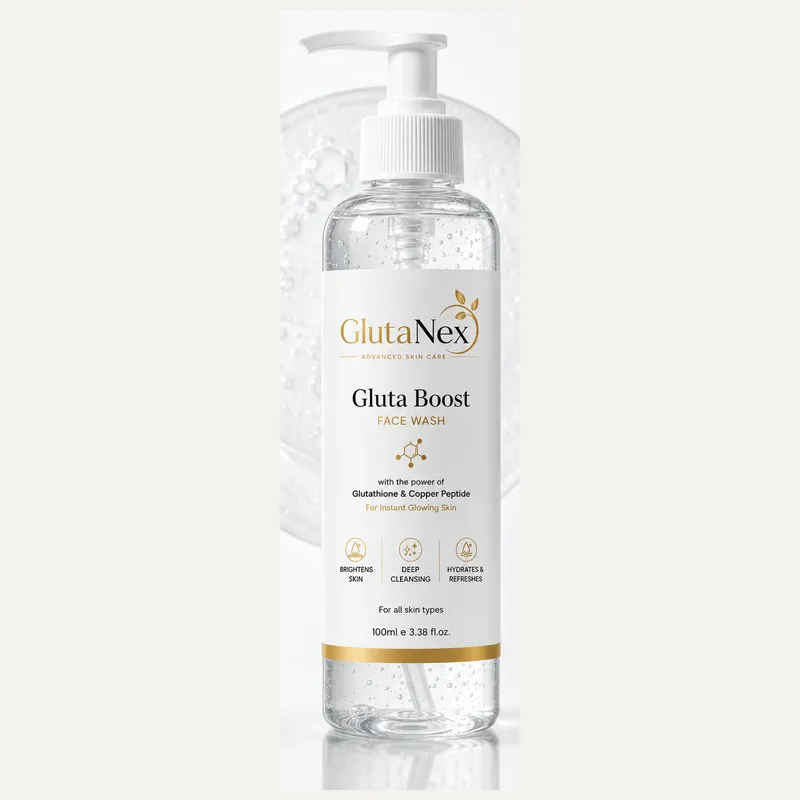 Face Wash
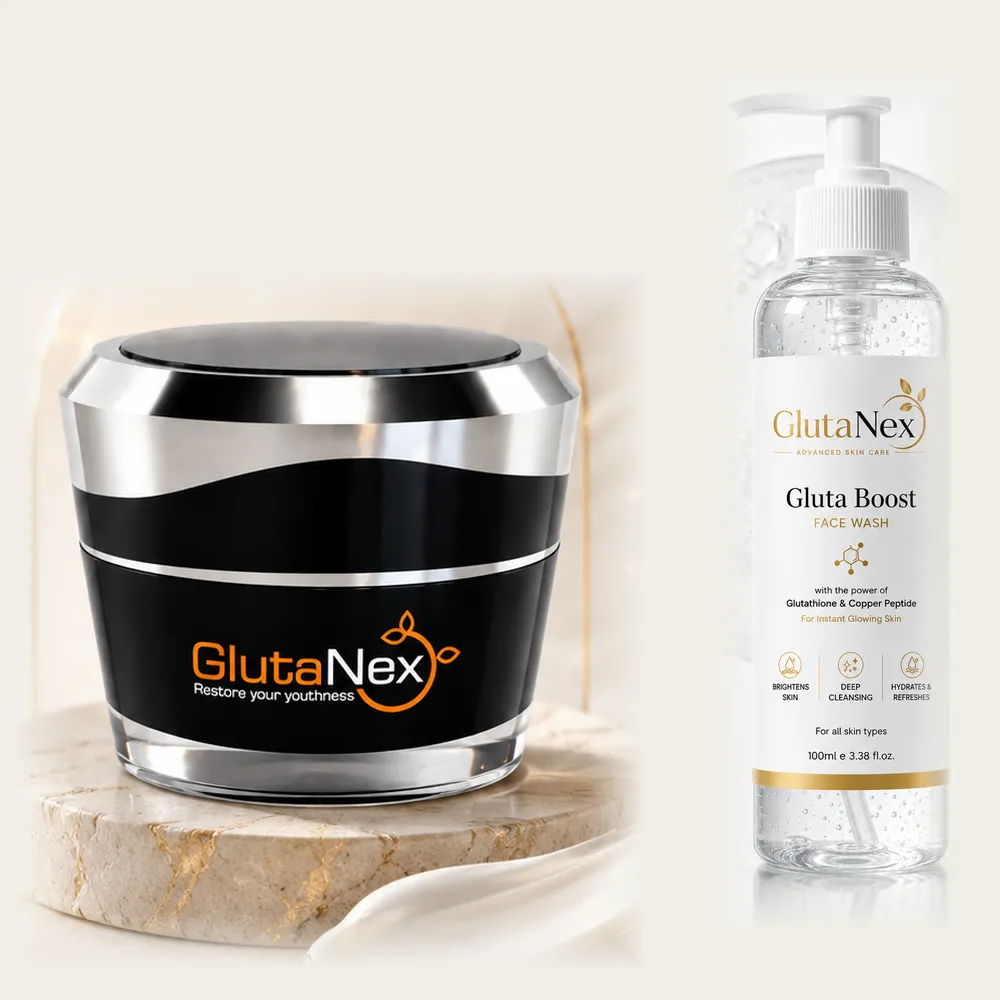 Glow Duo
 Shower Gel
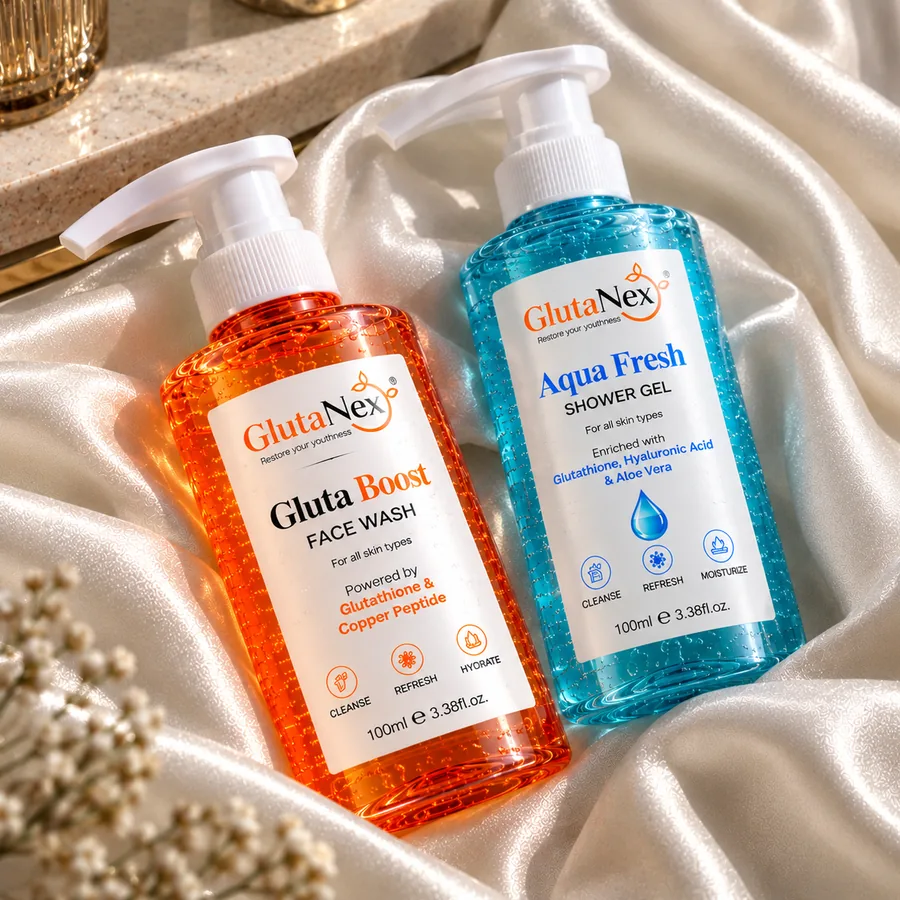 Wash + Gel Combo
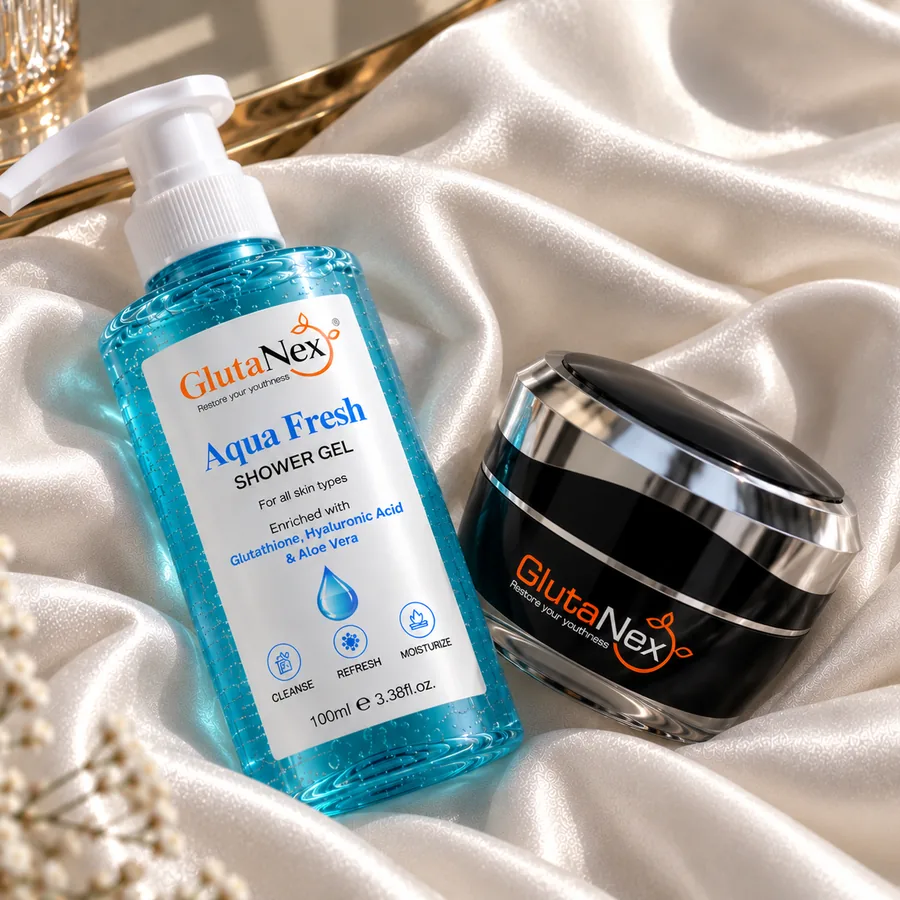 Cream + Gel Combo
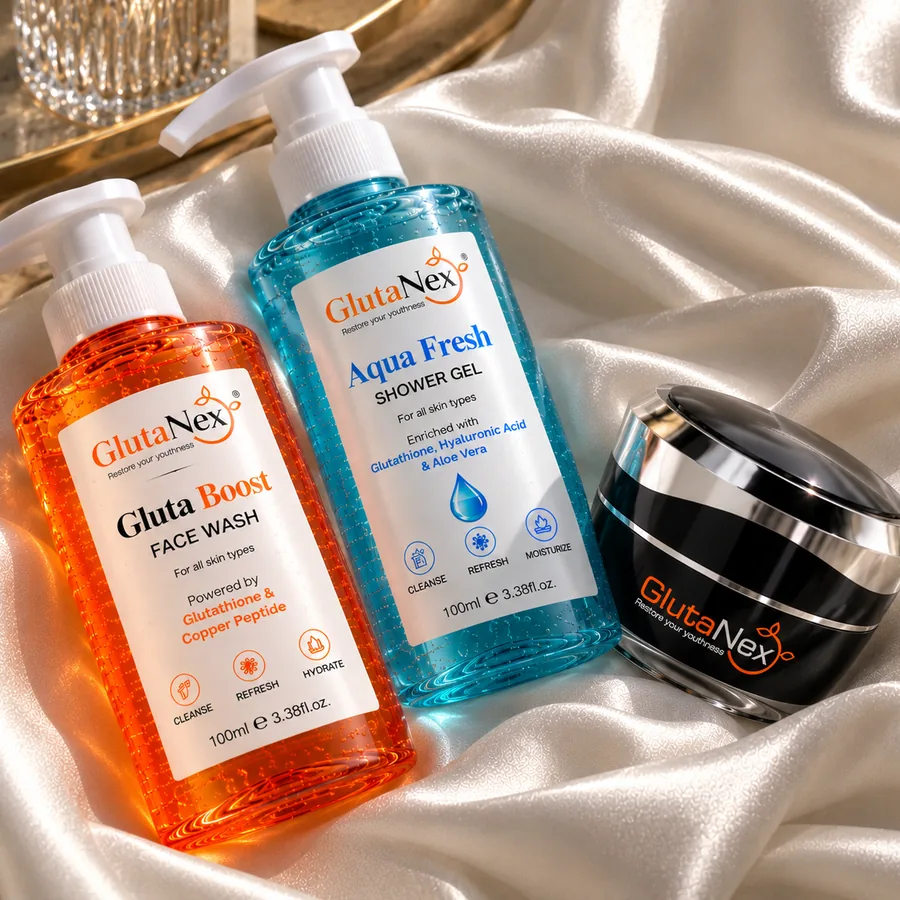 Glow Trio