
Glutathione cream with glycerin: can you use both, and in what order?
Can you apply glycerin with glutathione cream? How to dilute glycerin, which goes first, why it can feel sticky, and a winter plan for face and body in Indian weather.
Can I apply glycerin with glutathione cream?
Yes. Glycerin is a gentle humectant that pulls water into the top layer of skin. Use it diluted (a few drops mixed with rose water or plain water) on clean, damp skin first, let it settle for a minute, then apply the glutathione cream on top to hold that moisture in.
Which comes first, glycerin or glutathione cream?
Glycerin first, cream second. Glycerin is water-loving and thin, so it goes on damp skin right after washing. The cream goes on top as a thin layer. Putting glycerin over the cream makes the face sticky and does not add much.
Does glycerin with glutathione make skin fair?
No. Glycerin only helps skin hold water, so dry skin feels softer and looks less dull. Glutathione cream used with daily sunscreen may help tan and dark marks look lighter slowly over 8 to 12 weeks. Neither changes your natural skin colour.
Glycerin and glutathione cream work well together because they do different jobs: glycerin draws water into the skin, and the cream sits on top to keep it there. The two rules are simple: always dilute pure glycerin, and put it on before the cream, not after.
A small bottle of glycerin is a winter staple in many Indian homes, often mixed with gulab jal. As the dry season starts in North India and AC or heater use goes up, this guide explains the right amount, the right order and when to skip glycerin.
Glycerin vs glutathione cream at a glance
| Glycerin | Glutathione cream | |
|---|---|---|
| What it is | A clear, thick humectant liquid | A leave-on cream with glutathione and usually other actives |
| Main cosmetic job | Pulls water into the top layer of skin so it feels softer | Brighter, more even-looking tone over weeks |
| Texture | Sticky if used neat | Spreads as a thin layer |
| Best time | On damp skin right after washing | As the last step at night (GlutaNex Night Cream is night-only) |
| Main downside | Sticky, attracts dust, can feel tight in very dry air if not sealed | Works slowly; needs sunscreen every morning |
How to dilute glycerin for the face
Pure glycerin is too thick and sticky for the face. A simple home mix:
- Pour 2 to 3 teaspoons of rose water or boiled and cooled water into a clean small bottle.
- Add 3 to 5 drops of glycerin and shake well.
- Keep it closed, use clean hands, and make a fresh small batch every week or two. Throw it away if it smells odd or looks cloudy.
Skip lemon in the classic "glycerin, rose water and lemon" mix. Lemon juice can sting and irritate, especially with active creams; see glutathione cream with lemon. For more on rose water, read rose water with glutathione cream.
The right order at night
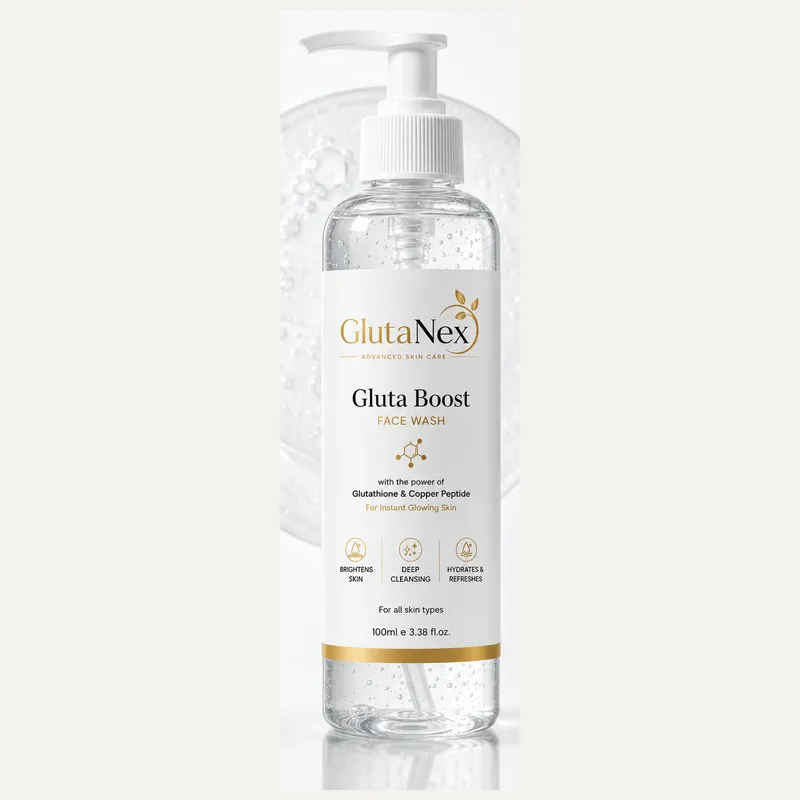
- Cleanse with a gentle face wash such as Gluta Boost Face Wash, and pat dry so the skin stays a little damp.
- Apply the diluted glycerin: press 3 or 4 drops of the mix over the face with your fingertips.
- Wait about a minute until it no longer feels wet.
- Apply the glutathione cream as a thin layer, a pea-sized amount for the whole face.
- Sunscreen every morning, SPF 30 or higher, whichever night products you used.
Humectants like glycerin work best under a cream. Left alone on the face in cold, dry air or a heater room, they can pull water from deeper skin and leave it feeling tighter. That is why the cream on top matters. More on layering in glutathione cream and moisturizer and how to use glutathione cream.
A special note on GlutaNex Night Cream
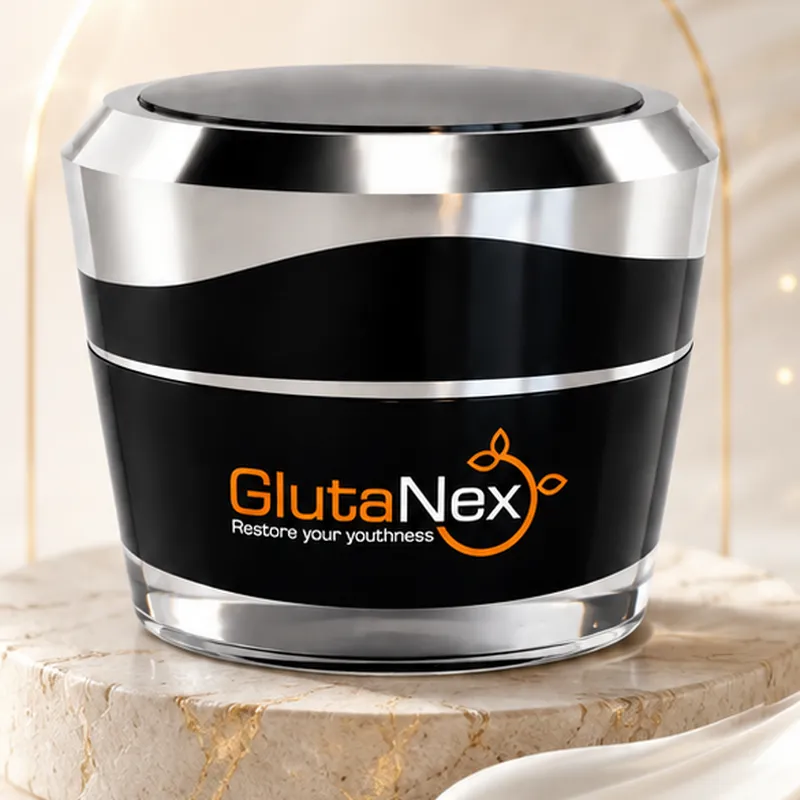
GlutaNex Glutathione Night Cream contains glutathione, niacinamide, hyaluronic acid, vitamin C, retinol, ceramides, salicylic acid, peptides, aloe vera, turmeric and neem. Hyaluronic acid is a humectant too, and ceramides help the skin barrier, so many people do not need extra glycerin under it. Try glycerin only if your face still feels tight.
- Because of the retinol and salicylic acid, use the cream at night only and start 2 to 3 nights a week.
- On nights you skip the cream, a few drops of diluted glycerin under a plain moisturiser is a gentle rest-night routine.
- If the cream stings, glycerin will not fix that; wash it off and read glutathione cream burning.
Who should use glycerin, and who can skip it
| Skin type or season | Glycerin under the cream? |
|---|---|
| Dry skin, North Indian winter, heater or AC rooms | Yes, diluted, most nights. See glutathione cream for dry skin. |
| Normal skin | Only on dry, windy days |
| Combination skin | Only on dry cheeks. See glutathione cream for combination skin. |
| Oily or acne-prone skin in humid weather | Usually skip; the cream alone is enough |
| Hands, elbows, heels | Yes, a few drops mixed into body lotion |
Common mistakes
- Using neat glycerin on the face: sticky, shiny and it collects dust and pollution.
- Applying glycerin on top of the cream instead of under it.
- Using glycerin alone with no cream in very dry air.
- Keeping a homemade mix for months in a warm bathroom.
- Adding lemon, baking soda or toothpaste to the mix.
See glutathione cream in winter for a full cold-season routine.
When to see a dermatologist
If your skin cracks, bleeds, itches badly or has red, scaly patches that do not settle with a simple moisturiser, see a dermatologist. Patch test glycerin and any new cream on the jaw or inner arm for 24 to 48 hours first.
General information about cosmetic skincare, not medical advice. Results vary from person to person. See a dermatologist for persistent or changing pigmentation.
More glutathione guides
Glutathione: what it is, what it does for skin, and how to use it safely
The complete guide: what glutathione is, how it affects skin, every form compared, and the research.
GuideGlutathione cream with lemon: should you mix lemon juice into your routine?
Can you use lemon juice with glutathione cream? Why fresh lemon on the face is a bad idea, especially with active creams and Indian sun, and safer ways to target tan and dull-looking skin.
GuideGlutathione cream with honey: can you use both, and how?
Can you use honey with glutathione cream? How to use a simple honey mask before the cream, why not to mix honey into the jar, who should skip it, and what honey can and cannot do.
 Night Cream
 Face Wash
 Glow Duo
 Shower Gel
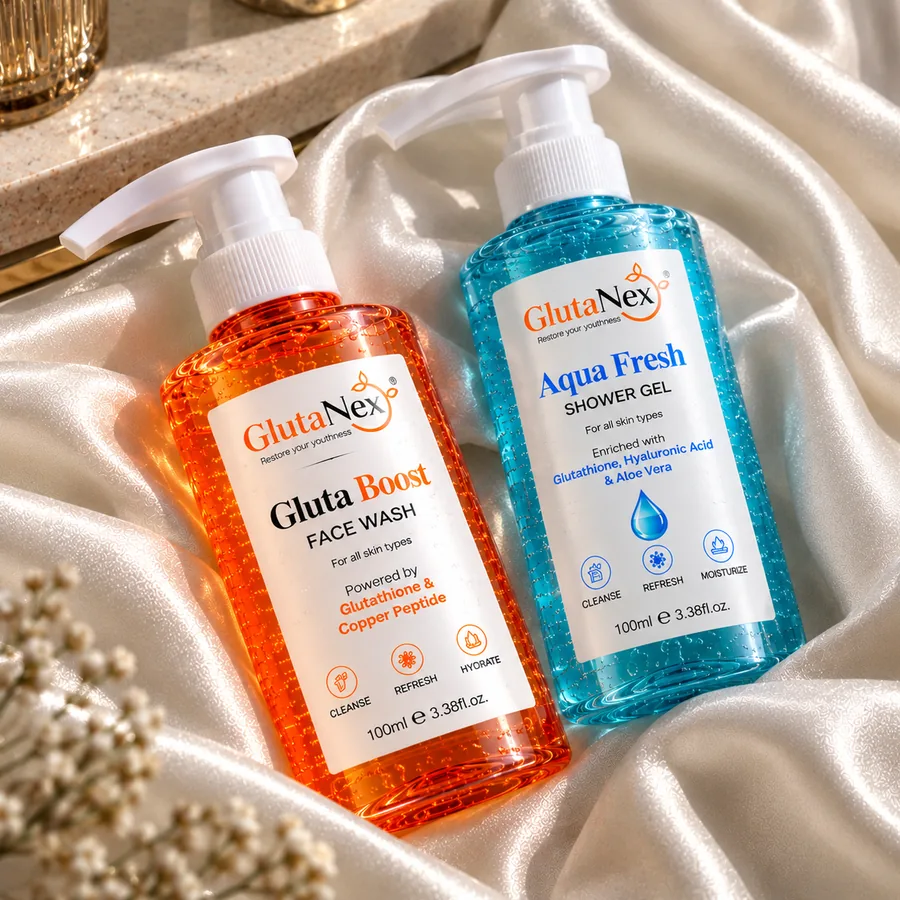 Wash + Gel Combo
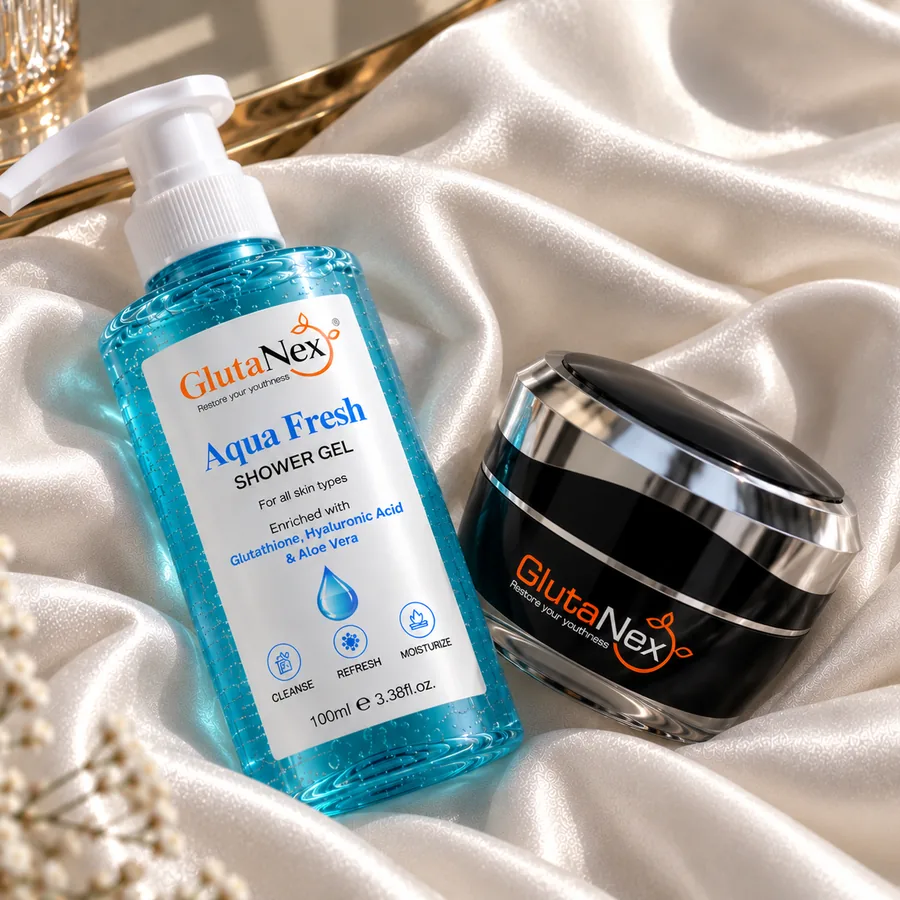 Cream + Gel Combo
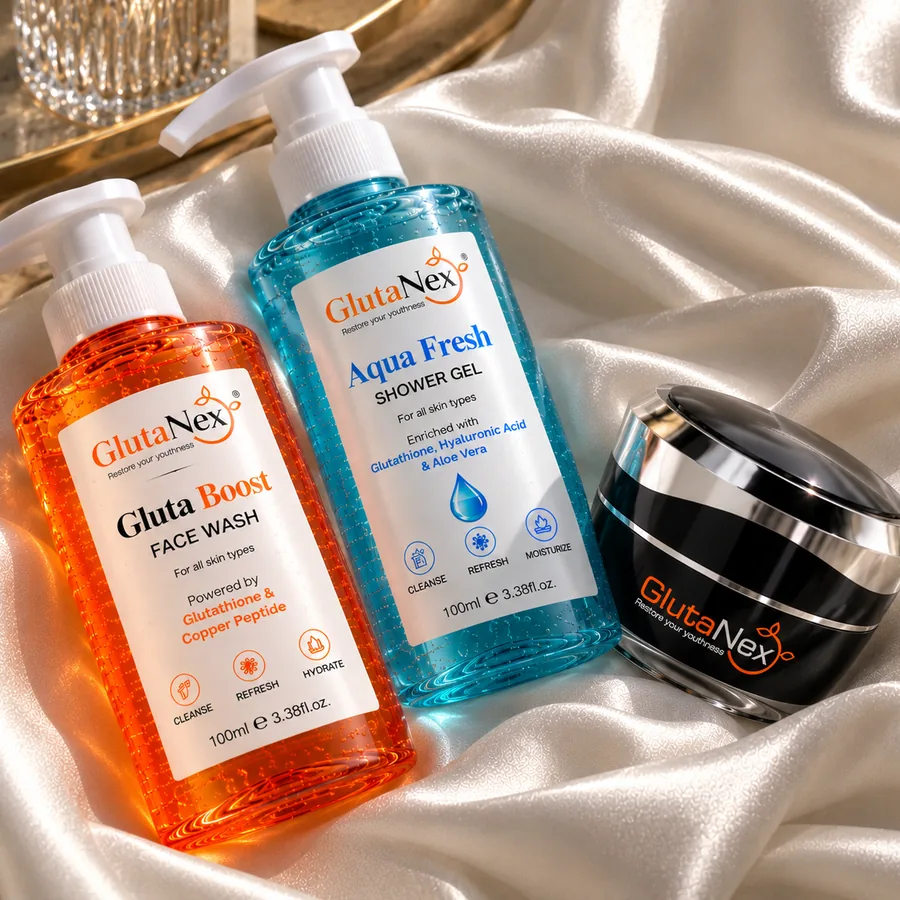 Glow Trio