
Night cream for pigmentation: ingredients that help and a routine that works
Which night cream ingredients help pigmentation, dark spots and tan look lighter, a simple routine for Indian skin, realistic timelines, and when pigmentation needs a dermatologist.
Which night cream is good for pigmentation?
Look for a night cream with niacinamide, plus one or more of glutathione, vitamin C, retinol, alpha arbutin or azelaic acid, and hydrators such as ceramides. Use it consistently at night and wear sunscreen every morning, because sun exposure is the main reason pigmentation returns.
How long does a night cream take to reduce pigmentation?
Most people notice dark spots and tan looking lighter after 8 to 12 weeks of nightly use with daily sunscreen. Older spots and melasma take longer, may only lighten partly, and often need a dermatologist.
Can a night cream remove pigmentation completely?
Usually not completely. A good night cream can help pigmentation look lighter and more even, but deep or hormonal pigmentation such as melasma often needs a dermatologist's treatment and strict sun protection.
A night cream can help pigmentation look lighter, but only alongside daily sunscreen. Pigmentation is extra melanin, and sunlight keeps triggering more of it. The best approach is a night cream with proven ingredients, sunscreen every morning, and patience for 8 to 12 weeks.
First, which pigmentation do you have?
| Type | Looks like | What helps most |
|---|---|---|
| Tan | Even darkening on sun-exposed skin | Sunscreen; a brightening night cream. See dark spots and tan |
| Acne marks | Brown or dark spots where pimples were | Niacinamide, salicylic acid, retinol. See acne marks |
| Sun spots | Small flat brown spots on cheeks, hands | Sunscreen, retinol, vitamin C |
| Melasma | Patchy brown-grey areas on both cheeks, forehead, upper lip | Dermatologist plus tinted sunscreen. See melasma |
| Around the mouth or neck | Darker skin in folds or around lips | Can be linked to hormones; see a doctor. See around the mouth |
Night cream ingredients that help pigmentation
- Niacinamide: helps reduce the transfer of pigment to the skin surface; gentle and well studied. See glutathione vs niacinamide.
- Glutathione: antioxidant used for brighter, more even-looking tone. See glutathione for pigmentation.
- Retinol: speeds up skin renewal so pigmented surface cells shed sooner. Start slowly.
- Vitamin C: antioxidant that helps dullness and dark marks. See glutathione vs vitamin C.
- Alpha arbutin, kojic acid, azelaic acid, tranexamic acid: other common brightening actives; see alpha arbutin and tranexamic acid.
- Ceramides and hyaluronic acid: keep the skin barrier healthy, so actives cause less irritation. Irritation itself can leave dark marks on Indian skin.
A simple pigmentation routine
| Time | Step |
|---|---|
| Morning | Gentle face wash, light moisturiser, sunscreen SPF 30+ (tinted if you have melasma). Reapply when outdoors. |
| Night | Remove sunscreen and makeup, gentle face wash, pat dry, pea-sized night cream. |
| Weekly | No scrubs on pigmented areas; one gentle mask at most. |
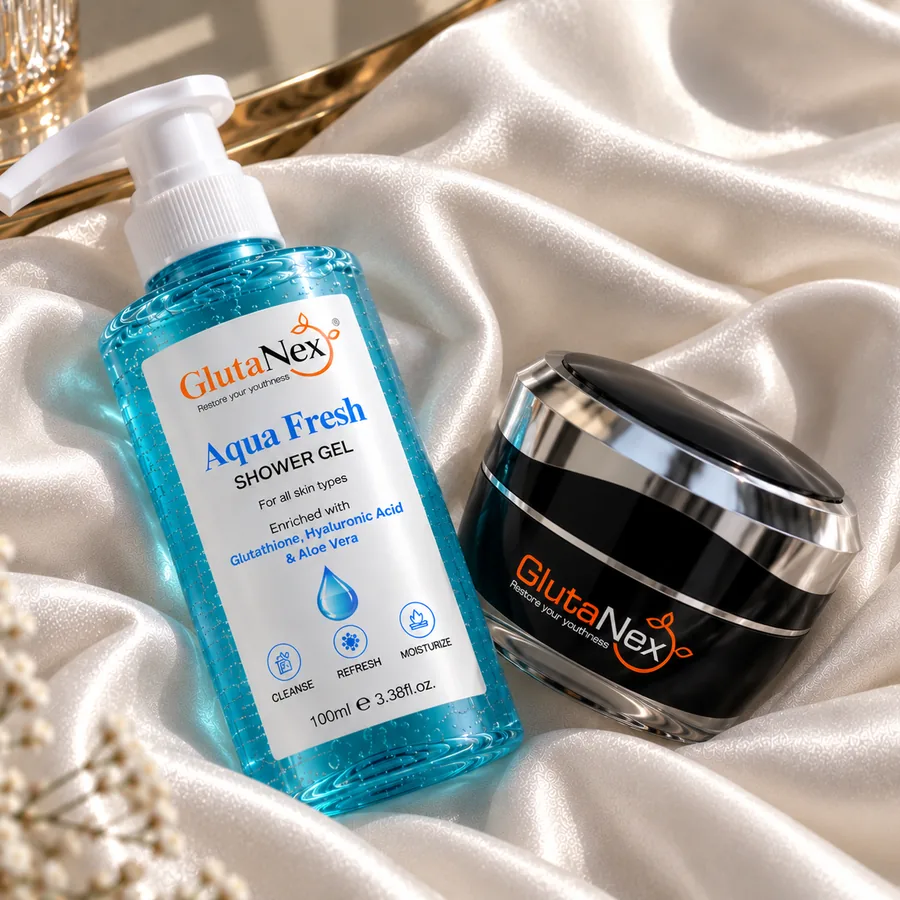
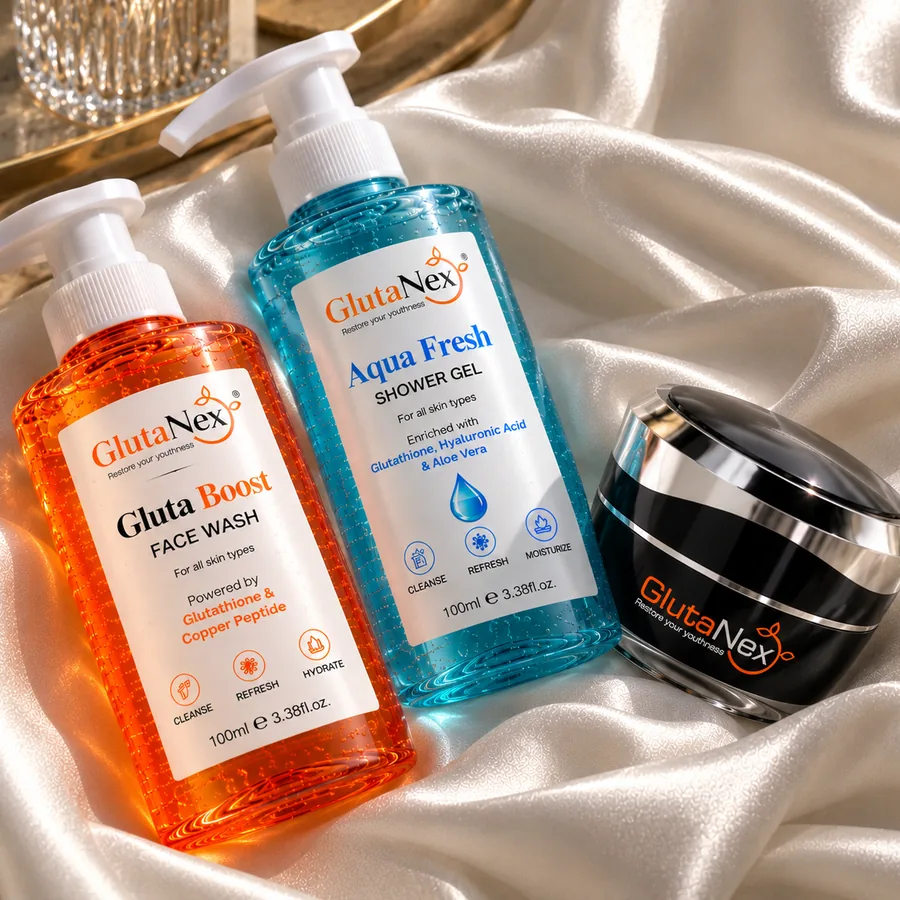
GlutaNex Glutathione Night Cream combines glutathione, niacinamide, vitamin C, retinol and salicylic acid with ceramides and hyaluronic acid in one night cream. Start 2 to 3 nights a week, then build up if your skin is comfortable. It is night only and not for pregnancy or breastfeeding unless your doctor approves. See how to use glutathione cream.
How to apply it on pigmented areas
- Whole face, thin layer. Spread a pea-sized amount over the whole face instead of thick dabs on spots only; spot-only use can leave a lighter ring around a darker patch.
- Neck and jawline: use what is left on your fingers. Neck skin is thinner, so go slowly.
- Upper lip and around the mouth: keep a small gap from the lip line, which irritates easily.
- Under the eyes: skip active night creams here. Dark circles have other causes; see glutathione for dark circles.
Pick by skin type
| Skin type | What to look for | Watch out for |
|---|---|---|
| Oily or acne-prone | Light texture; niacinamide, salicylic acid | Heavy oils that clog pores and cause new marks |
| Dry | Ceramides, hyaluronic acid with the brightening actives | Flaking from retinol; add a plain moisturiser on top |
| Sensitive | Fewer actives, slower start (2 nights a week) | Irritation, which itself can leave darker patches. See sensitive skin |
Mistakes that make pigmentation worse
- Skipping sunscreen on cloudy days, indoors near windows, or on two-wheeler rides.
- Lemon, baking soda or bleach on the face. See glutathione cream with lemon.
- Scrubbing or picking at spots and pimples.
- Steroid or unlabelled "fairness" creams, which can thin the skin and cause a flare when stopped. See glutathione vs hydroquinone.
- Using too many actives at once, causing irritation and new dark marks.
Realistic timeline
- 4 weeks: skin looks less dull; tan starts to lighten if you use sunscreen.
- 8 to 12 weeks: acne marks and dark spots may look noticeably lighter.
- 3 to 6 months: older spots may lighten partly. Melasma needs ongoing care.
When to see a dermatologist
See a dermatologist for patchy pigmentation on both cheeks, dark velvety skin on the neck or underarms, spots that change shape, colour or bleed, or no change after 3 months of a good routine. These may need prescription treatment or a check for hormonal causes such as PCOS.
Frequently asked questions
Which is better for pigmentation, day cream or night cream?
Use both for different jobs: sunscreen in the day to stop new pigmentation, and an active night cream to help existing marks look lighter.
Can I use a pigmentation night cream every night?
Plain niacinamide creams, yes. Creams with retinol or acids should start 2 to 3 nights a week and build up.
Is glutathione good for pigmentation?
It can be part of the routine for a more even-looking tone, but evidence is modest and sunscreen matters more. Melasma needs a dermatologist.
Does pigmentation come back?
It can, especially with sun exposure or hormonal changes. Daily sunscreen is the best way to keep results.
Which ingredient is best for pigmentation in a night cream?
No single ingredient suits everyone. Niacinamide is a gentle, well-studied start; retinol helps renewal but needs a slow start; glutathione, vitamin C and alpha arbutin are other options. A cream that combines a few, used with daily sunscreen, is usually easier than many separate products.
Can I use a pigmentation night cream on my neck?
Yes, a thin layer is fine if your skin tolerates it on the face first. The neck is more sensitive, so start every other night and stop if it stings or peels.
Is a night cream enough for melasma?
Usually not on its own. Melasma is linked to hormones and sun, and needs strict daily sunscreen and a dermatologist's plan. A gentle night cream can support that plan but should not replace it.
General information about cosmetic skincare, not medical advice. Results vary from person to person. See a dermatologist for persistent or changing pigmentation.
More glutathione guides
Glutathione for pigmentation: types, what helps and what to avoid
The five common kinds of pigmentation on Indian skin, which ones a glutathione cream may help, and when to see a dermatologist.
GuideNight cream for glowing skin: how to choose one for Indian skin
What makes a night cream give a glow, which ingredients to look for by skin type, how to apply it, and the claims to ignore. A practical buyer's guide for Indian skin and weather.
GuideGlutathione night cream: how to choose and use one
Why night is the best time for glutathione, what to look for, and options for oily and sensitive skin.
 Night Cream
 Face Wash
 Glow Duo
 Shower Gel
 Wash + Gel Combo
 Cream + Gel Combo
 Glow Trio