
Night cream for glowing skin: how to choose one for Indian skin
What makes a night cream give a glow, which ingredients to look for by skin type, how to apply it, and the claims to ignore. A practical buyer's guide for Indian skin and weather.
Which night cream is best for glowing skin?
The best night cream for glowing skin is one that suits your skin type and has proven brightening ingredients such as niacinamide, vitamin C, glutathione or retinol, plus hydrators like hyaluronic acid and ceramides. Use it nightly and wear sunscreen every morning, or the glow will not last.
Do night creams really make skin glow?
Yes, in a modest way. A good night cream keeps skin hydrated, which makes it look smoother and brighter by morning, and active ingredients can help dullness and dark marks look lighter over 8 to 12 weeks. No cream changes your natural skin colour.
Can I use a night cream every day?
Most plain hydrating night creams can be used every night. Creams with retinol or exfoliating acids should start 2 to 3 nights a week and build up slowly, with sunscreen every morning.
A night cream gives a real glow in two ways. First, it keeps skin hydrated overnight, so it looks smoother and plumper in the morning. Second, active ingredients can slowly help dullness, tan and dark marks look lighter. The right cream depends on your skin type, and none of it works without sunscreen in the day.
Ingredients that help skin glow
| Ingredient | What it does | Good for |
|---|---|---|
| Niacinamide (vitamin B3) | More even-looking tone, calmer skin, less oiliness | Almost every skin type |
| Glutathione | Antioxidant for brighter, more even-looking skin | Dullness, tan, uneven tone. See glutathione benefits for skin |
| Vitamin C | Antioxidant; helps dullness and dark marks | Dull or tired-looking skin |
| Retinol (vitamin A) | Speeds skin renewal for smoother, more even skin | Uneven tone, early fine lines; start slowly |
| Salicylic acid (BHA) | Clears pores and dull surface skin | Oily and acne-prone skin |
| Hyaluronic acid, ceramides, glycerin | Hydration and a stronger skin barrier | Dry skin, winter, retinol users |
Pick by skin type
| Skin type | Look for | Avoid |
|---|---|---|
| Oily or acne-prone | Light gel-cream; niacinamide, salicylic acid | Heavy oils, thick butters. See glutathione for oily skin |
| Dry | Richer cream; ceramides, hyaluronic acid | Strong acids every night. See glutathione cream for dry skin |
| Combination | Medium texture; thinner layer on the T-zone | Using one heavy layer everywhere |
| Sensitive | Few actives, fragrance-free if possible | Retinol plus acids on day one. See glutathione cream for sensitive skin |
| Over 35 | Retinol, peptides, hydrators | Skipping sunscreen. See glutathione cream for 40s |
How to apply a night cream for the best glow
- Remove makeup and sunscreen, then wash with a gentle face wash such as Gluta Boost Face Wash.
- Pat dry and wait a minute or two, especially if your cream has retinol or acids.
- Use a pea-sized amount for the whole face. Dot it on the forehead, cheeks and chin, then spread gently.
- Avoid the eye corners and lips with active night creams.
- Sunscreen every morning, SPF 30 or higher. This is what keeps the glow. See glutathione cream with sunscreen.
Where GlutaNex fits
GlutaNex Glutathione Night Cream is a glutathione night cream with niacinamide, hyaluronic acid, vitamin C, retinol, ceramides, salicylic acid, peptides, aloe vera, turmeric and neem. It suits oily, combination and uneven-toned skin best. Because it has retinol and salicylic acid, use it at night only, start 2 to 3 nights a week, and do not use it in pregnancy or breastfeeding unless your doctor says it is fine. See glutathione night cream for the full routine.
How long it takes
- First week: skin feels softer and looks more hydrated in the morning.
- 4 to 6 weeks: less dullness and a more even look.
- 8 to 12 weeks: tan and dark marks may look lighter, with daily sunscreen.
Older dark spots and melasma take longer and may need a dermatologist. See glutathione cream results.
Claims to ignore
- "Fair in 7 days" or "permanent whitening": skin does not renew that fast, and no cream changes your natural colour.
- "100% safe, no side effects": every active can irritate some people.
- No ingredient list or maker address on the pack: skip it. See glutathione side effects.
Winter or summer: change the texture, not the routine
| Season | What skin needs at night | Tip |
|---|---|---|
| Winter (Nov to Feb, dry north and central India) | More hydration and barrier care: ceramides, hyaluronic acid, glycerin | Apply on slightly damp skin; add a plain moisturiser on top if cheeks feel tight. See glutathione cream in winter |
| Summer and monsoon (humid coasts) | A lighter layer that does not feel sticky | Use a thinner layer and keep the fan or AC on low; skip extra face oils |
| Room heater or AC all night | Extra moisture, because both dry the air | A bowl of water in the room or a humidifier helps; keep actives at 2 to 3 nights a week if skin gets flaky |
Night cream or serum: which gives more glow?
They do different jobs. A serum is a thin layer with a few actives; a night cream adds moisture and seals it in, and may carry actives of its own. If you want one product only, a night cream with brightening ingredients is the simpler choice. If you use both, the order is serum first, then cream, and avoid stacking two strong actives (for example a retinol serum under a retinol cream) on the same night. See using a vitamin C serum with glutathione cream and night cream vs day cream.
A quick label check before you buy
- Full ingredient list printed on the pack, not just "herbal extracts".
- Maker's name and address, batch number and expiry date.
- Pack size and value: divide the price by the grams to compare jars of different sizes fairly.
- Night-only warnings if the cream has retinol or acids. That is a good sign: it means the label is honest about what is inside.
- No promises of colour change such as "fair", "white" or "results in 7 days". See how to spot a fake glutathione cream.
Small habits that add to the glow
- 7 to 8 hours of sleep; the morning puffiness and dullness really are worse without it.
- Change pillow covers twice a week if you are acne-prone.
- Drink enough water and eat fruits and vegetables. See glutathione-rich foods.
Frequently asked questions
Is a night cream necessary?
Not for everyone, but it is the easiest way to add hydration and brightening actives to your routine without worrying about sun exposure.
Can I use a night cream in the day?
A plain hydrating one, yes, under sunscreen. Night creams with retinol or acids, like GlutaNex, should stay at night only.
What is the right age to start a night cream?
A simple hydrating night cream is fine from the late teens. Retinol night creams are usually started in the 20s or later, slowly.
Can men use a night cream for glowing skin?
Yes. The same ingredients work on all skin. See our guide for men for shaving and beard tips.
Which night cream is best for glowing skin in winter?
In winter, choose a richer night cream with ceramides, hyaluronic acid or glycerin, apply it on slightly damp skin, and add a plain moisturiser on top if your cheeks still feel tight. Keep sunscreen every morning, even on foggy days.
Should I apply night cream on a wet or dry face?
Plain hydrating creams work well on slightly damp skin. With retinol or acid night creams, pat the face dry and wait a minute or two first, as damp skin can make them sting more.
Can I use aloe vera gel with a night cream?
Yes. Apply a thin layer of plain aloe vera gel first, let it dry, then the night cream. Patch test any homemade or fragranced gel first.
General information about cosmetic skincare, not medical advice. Results vary from person to person. See a dermatologist for persistent or changing pigmentation.
More glutathione guides
Glutathione night cream: how to choose and use one
Why night is the best time for glutathione, what to look for, and options for oily and sensitive skin.
GuideNight cream for pigmentation: ingredients that help and a routine that works
Which night cream ingredients help pigmentation, dark spots and tan look lighter, a simple routine for Indian skin, realistic timelines, and when pigmentation needs a dermatologist.
GuideNight cream vs day cream: what is the difference and do you need both?
The real differences between a night cream, a day cream and a moisturiser, whether you can swap them, and a simple morning and night routine for Indian weather.
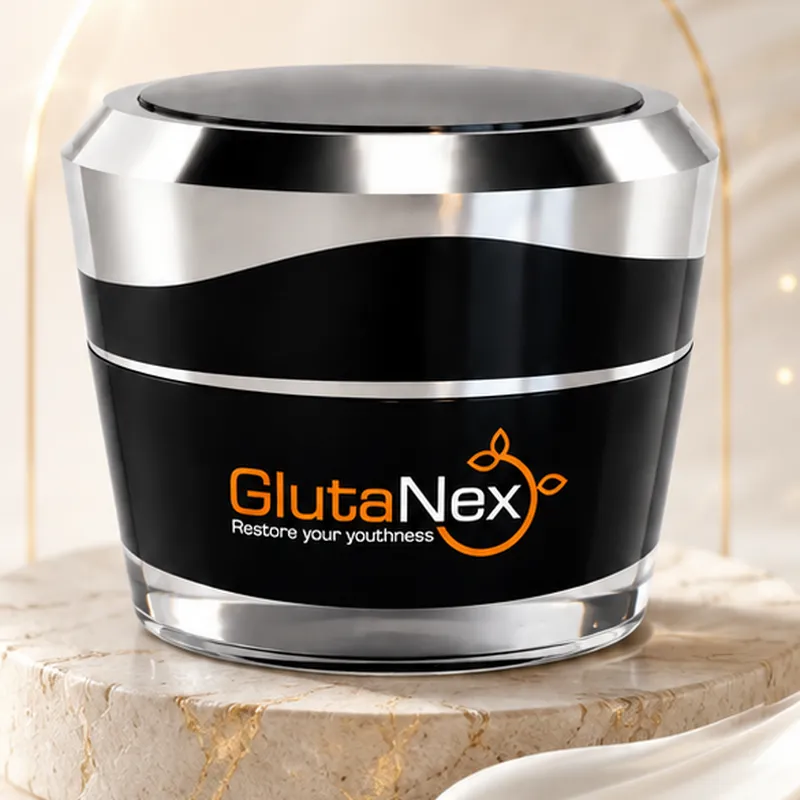 Night Cream
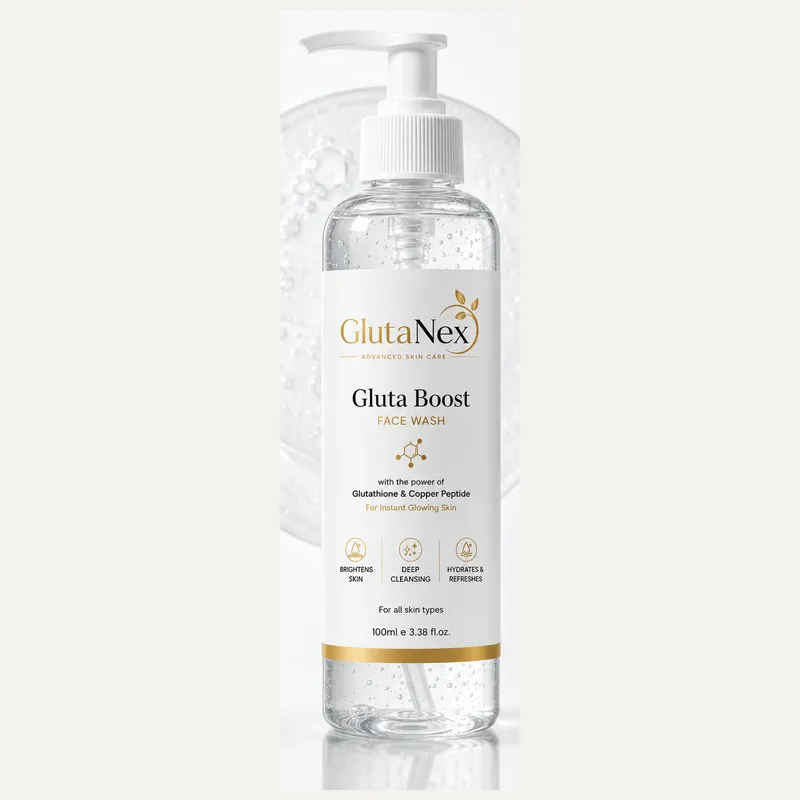 Face Wash
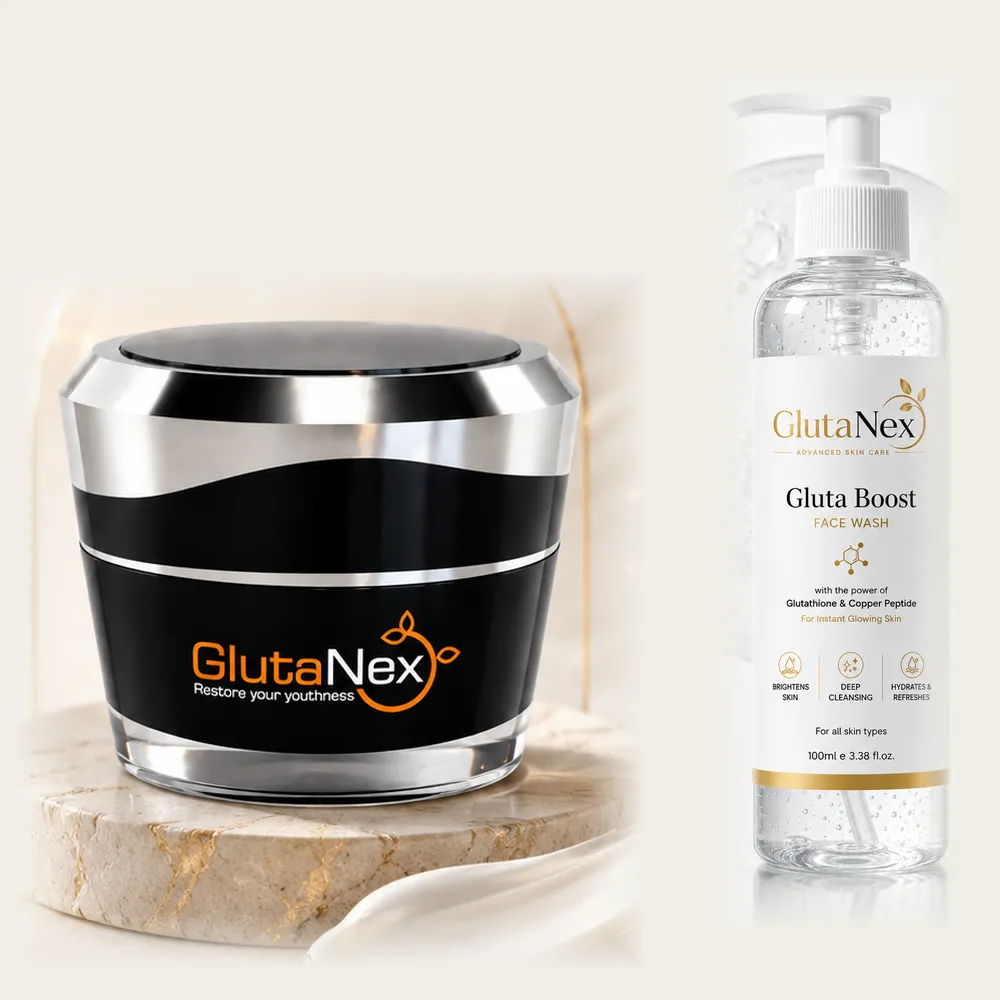 Glow Duo
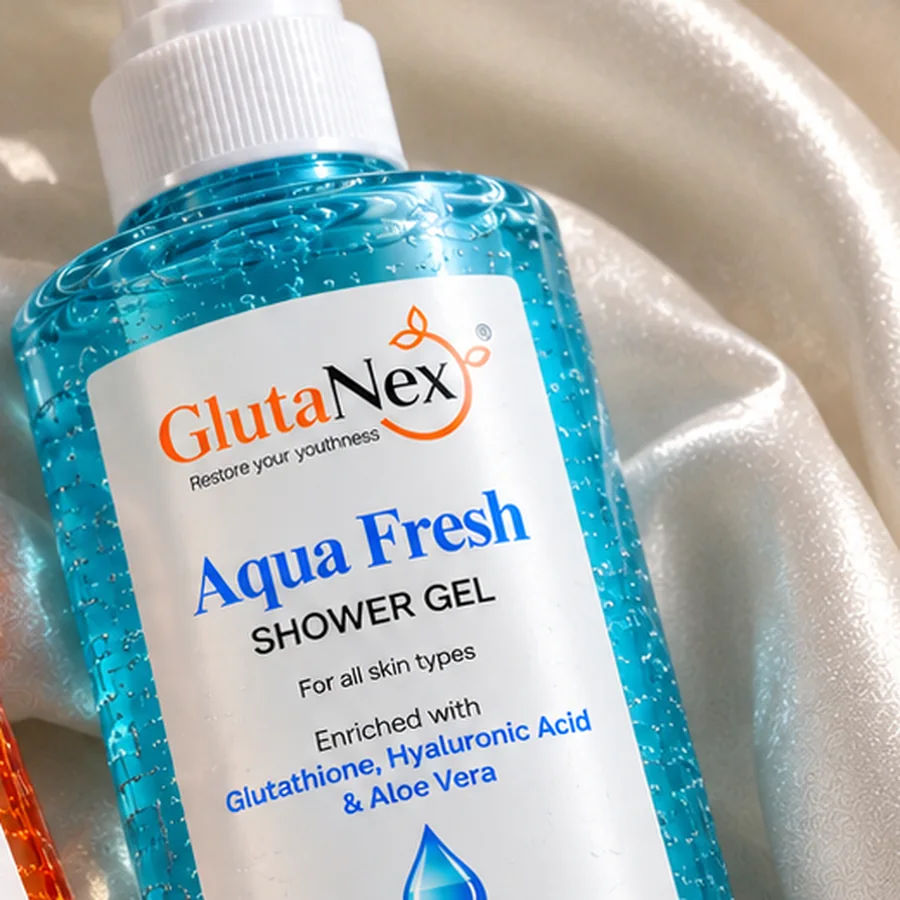 Shower Gel
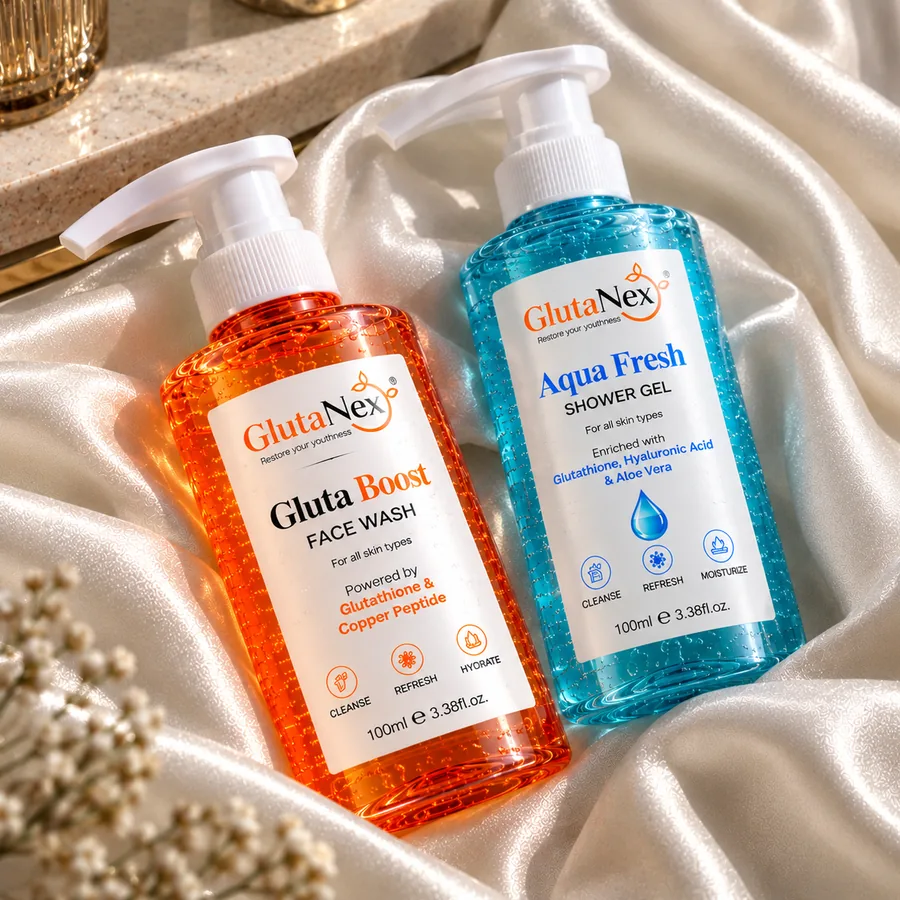 Wash + Gel Combo
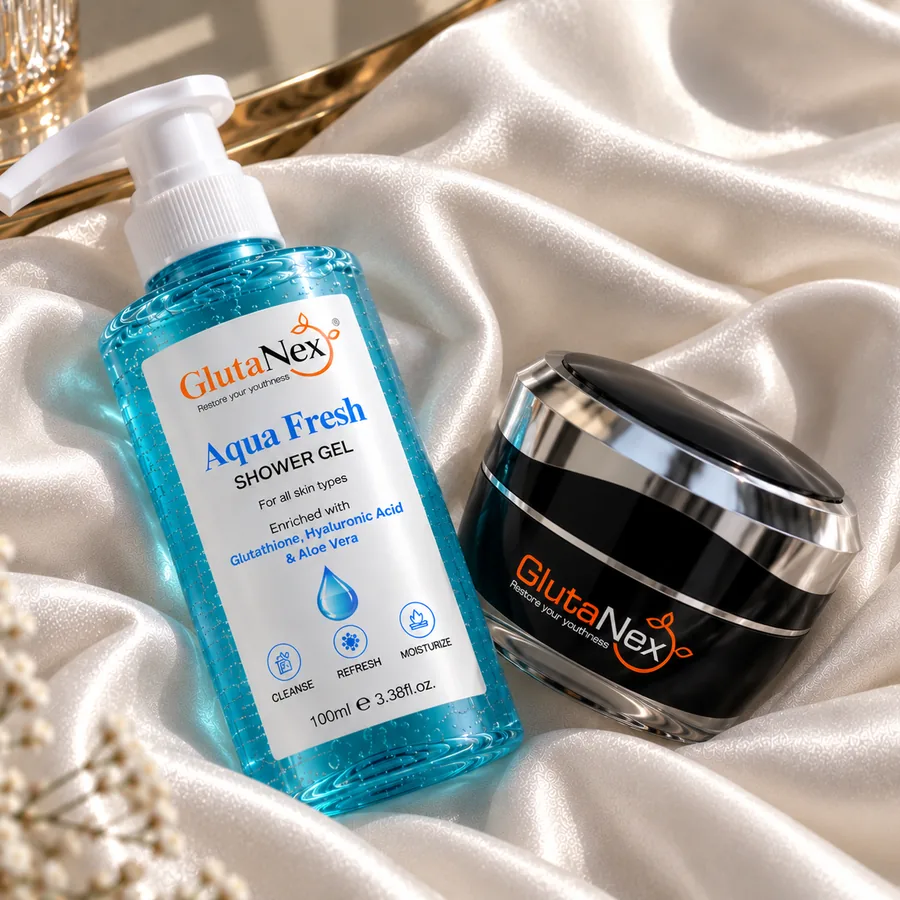 Cream + Gel Combo
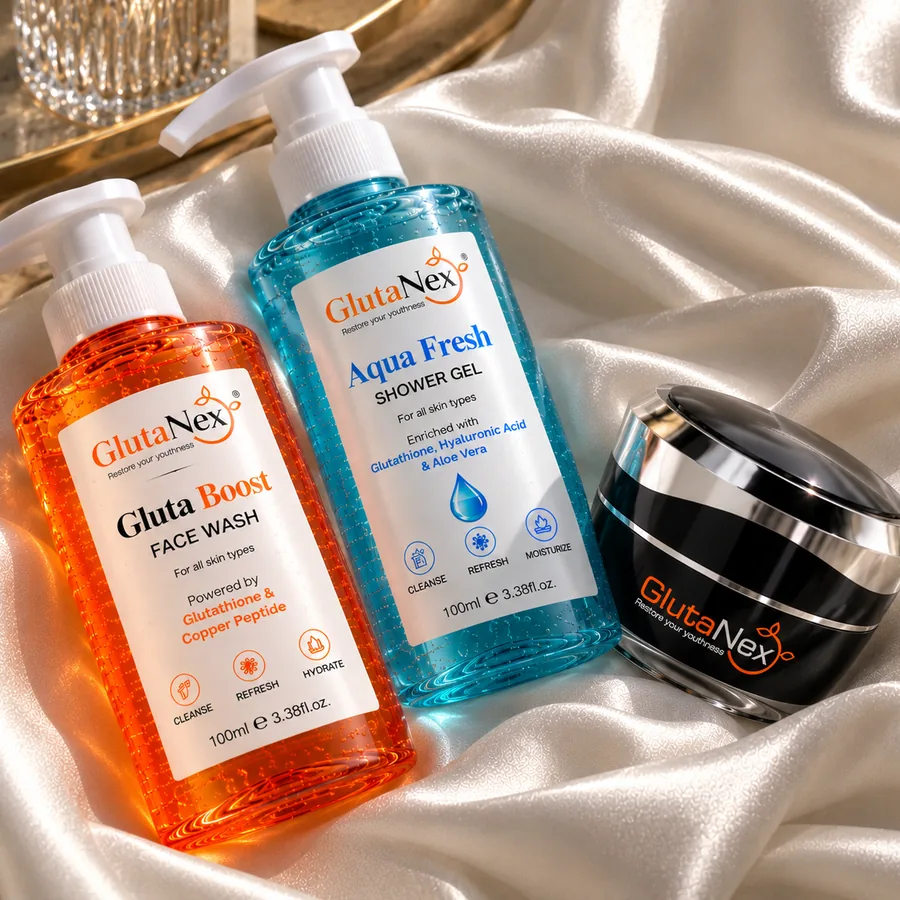 Glow Trio