
Glutathione cream with rosehip oil: the right order, how much, and what rosehip can and cannot do
Can you use rosehip oil with glutathione cream? Yes: cream first, one or two drops of rosehip oil pressed on top on dry nights. Why fresh oil matters, who should skip it, and the honest truth about rosehip and dark marks.
Can I use rosehip oil with glutathione cream?
Yes, if your skin is dry or normal. Apply the glutathione cream first on clean, dry skin, wait a few minutes, then press one or two drops of pure rosehip oil over dry areas. Do not mix the oil into the jar, and use it at night rather than under sunscreen in hot weather.
Should rosehip oil go before or after cream?
After. Oils sit on top of the skin and slow water loss, so they work best as the last step of a night routine. Applying oil first makes the cream spread unevenly and feel greasy.
Does rosehip oil remove dark spots?
No. Rosehip oil is a nourishing oil that helps dry skin feel softer and smoother. It does not remove dark spots, tan or acne marks. Marks fade slowly over weeks, mainly with daily sunscreen and a consistent routine.
You can use rosehip oil with glutathione cream, as long as you layer them rather than mix them. Apply the cream first on clean, dry skin, wait a few minutes, then press one or two drops of pure rosehip oil over the dry parts of your face as the last step of your night routine.
Rosehip oil is pressed from the seeds of wild rose fruit. It is rich in essential fatty acids, feels light, and is popular in face oils for dry and rough-feeling skin. Online, it is often sold as a "scar and spot" oil. It can make dry skin feel softer and smoother, but it is not a brightening treatment and it does not change your skin colour.
What rosehip oil can and cannot do
| What it can do | What it cannot do | |
|---|---|---|
| Dryness | Help dry, tight skin feel softer by morning | Replace a moisturiser for very dry skin on its own |
| Texture | Make rough patches feel smoother | Fill pitted or raised acne scars; those need a dermatologist |
| Dark marks and tan | Nothing direct | Remove spots, tan or pigmentation; that takes sunscreen and steady care over weeks |
| Skin colour | Nothing | Make skin fair or "gora"; no oil changes natural skin colour |
The right order: cream first, rosehip oil last
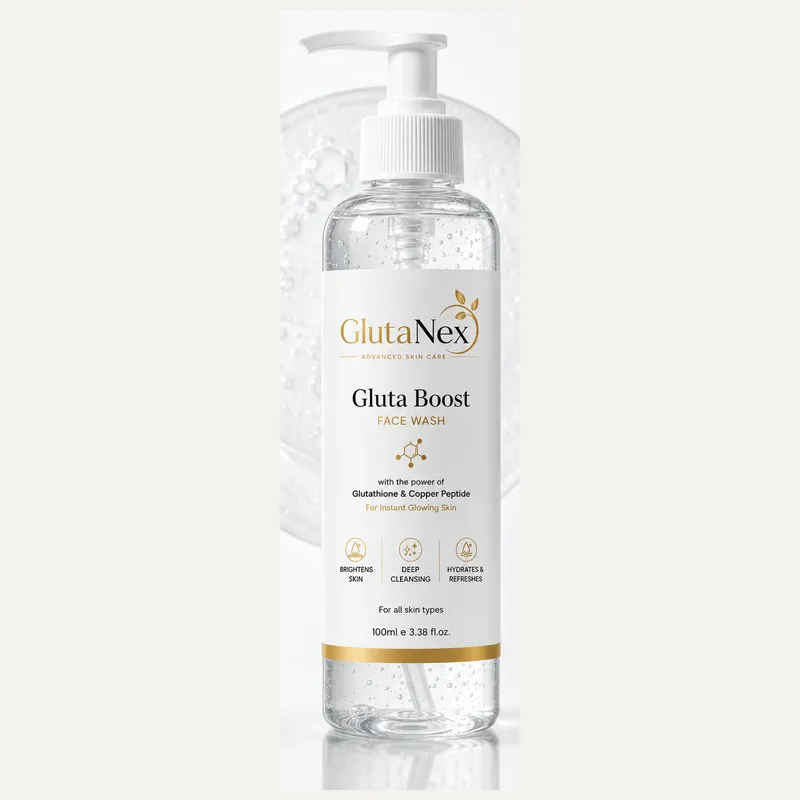
- Wash your face with a gentle face wash such as Gluta Boost Face Wash and pat dry.
- Wait until skin is fully dry, especially on nights you use a retinol cream.
- Apply a pea-sized amount of glutathione cream over the face and neck.
- Wait 5 to 10 minutes so the cream settles.
- Warm one or two drops of rosehip oil between your fingertips and press them over dry areas such as the cheeks, around the nose and the jawline. Skip an oily T-zone.
- Next morning: face wash, moisturiser if needed, and a broad-spectrum sunscreen of SPF 30 or more.
Two drops is plenty for most faces. For the full cream method, read how to use glutathione cream.
Fresh oil matters: storing rosehip in Indian heat
Rosehip oil is rich in delicate fatty acids, so it goes rancid faster than many other oils, especially in heat and light. Old oil smells sharp, like crayons or old nuts, and can irritate skin.
- Buy a small bottle you will finish in a few months, not a large one.
- Choose a dark glass bottle with a dropper and a use-by date.
- Keep it cool and out of sunlight: not on a sunny windowsill or near the stove. In hot Indian summers, a cool cupboard is better than the bathroom shelf.
- Smell it before use. If the smell has changed, throw it away.
- Check the label: it should list rose hip seed oil only, without added fragrance.
Keep the cream itself cool and closed too; see how to store glutathione cream.
Which skin types it suits
| Skin type | Rosehip oil over cream? | Tip |
|---|---|---|
| Dry | Yes, most nights in winter | Cream on slightly damp skin, oil on top; see glutathione cream for dry skin |
| Normal | On dry or AC and heater nights | One drop on the cheeks |
| Combination | Cheeks only | Keep it off the T-zone; see combination skin |
| Oily or acne-prone | Usually not needed | Test one drop on one area for a week; stop if new bumps appear |
| Sensitive | Patch test first | Apply on the jawline for 3 nights before the whole face; see sensitive skin |
In humid months, or in coastal cities, most faces do not need any oil on top. A thin layer of cream is enough.
Using rosehip oil with GlutaNex Night Cream
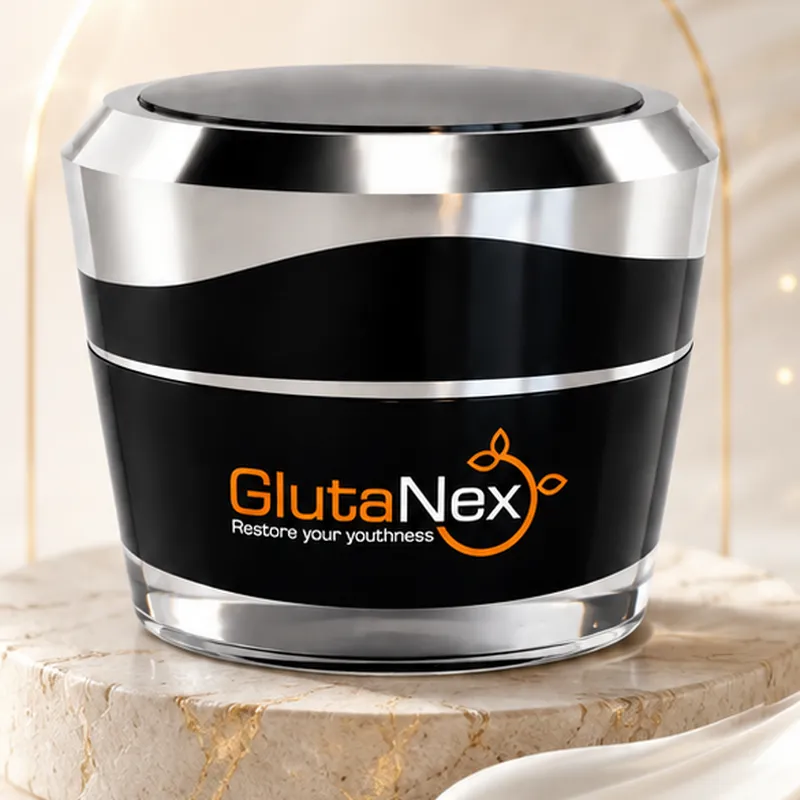
GlutaNex Glutathione Night Cream contains glutathione, niacinamide, hyaluronic acid, vitamin C, retinol, ceramides, salicylic acid, peptides, aloe vera, turmeric and neem. Because of the retinol and salicylic acid, it is a night-only face cream, started 2 to 3 nights a week.
- In the first weeks of retinol, skin can feel dry or a little flaky. A drop of rosehip oil over the cream on those nights can make skin feel more comfortable.
- On nights off the Night Cream, rosehip oil over a plain moisturiser is a gentle option for dry skin.
- Do not use oil to cover stinging or burning. Wash the cream off instead, and read glutathione cream burning.
- Not in pregnancy or breastfeeding unless your doctor says it is fine, and never on lips, broken or freshly waxed skin.
Starting retinol for the first time? Read retinol vs glutathione to understand what each one does.
Rosehip vs other face oils
Rosehip feels lighter than coconut or castor oil but goes off sooner, while jojoba is very stable and suits combination skin. If you are choosing one oil for winter, see jojoba oil, almond oil and olive oil with glutathione cream. You only need one oil, not several.
When to see a dermatologist
See a dermatologist for acne that is painful, cystic or leaves pitted scars, for brown patches on both cheeks that may be melasma, or if an oil causes itching, rash or swelling. Patch test any new oil on your jawline first.
General information about cosmetic skincare, not medical advice. Results vary from person to person. See a dermatologist for persistent or changing pigmentation.
More glutathione guides
Glutathione: what it is, what it does for skin, and how to use it safely
The complete guide: what glutathione is, how it affects skin, every form compared, and the research.
GuideGlutathione cream with shea butter: how to use them together on dry winter skin, lips, hands and heels
Can you use shea butter with glutathione cream? Yes, on dry skin: cream first, a rice-grain amount of shea butter on dry patches as the last step. Where shea works best, who should skip it on the face, and how to use it with a retinol night cream.
GuideGlutathione cream: answers to the most-asked questions
Straight answers to what people ask Google about glutathione cream: does it work, daily use, whitening, the best one, retinol and more.
 Night Cream
 Face Wash
 Glow Duo
 Shower Gel
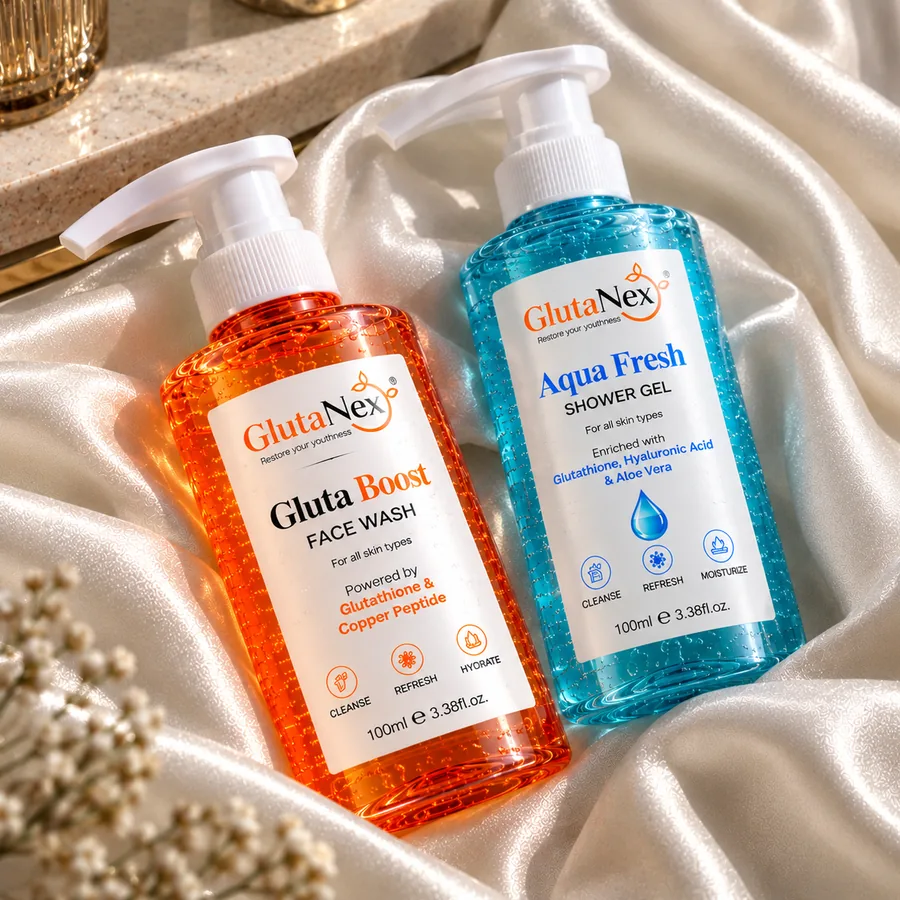 Wash + Gel Combo
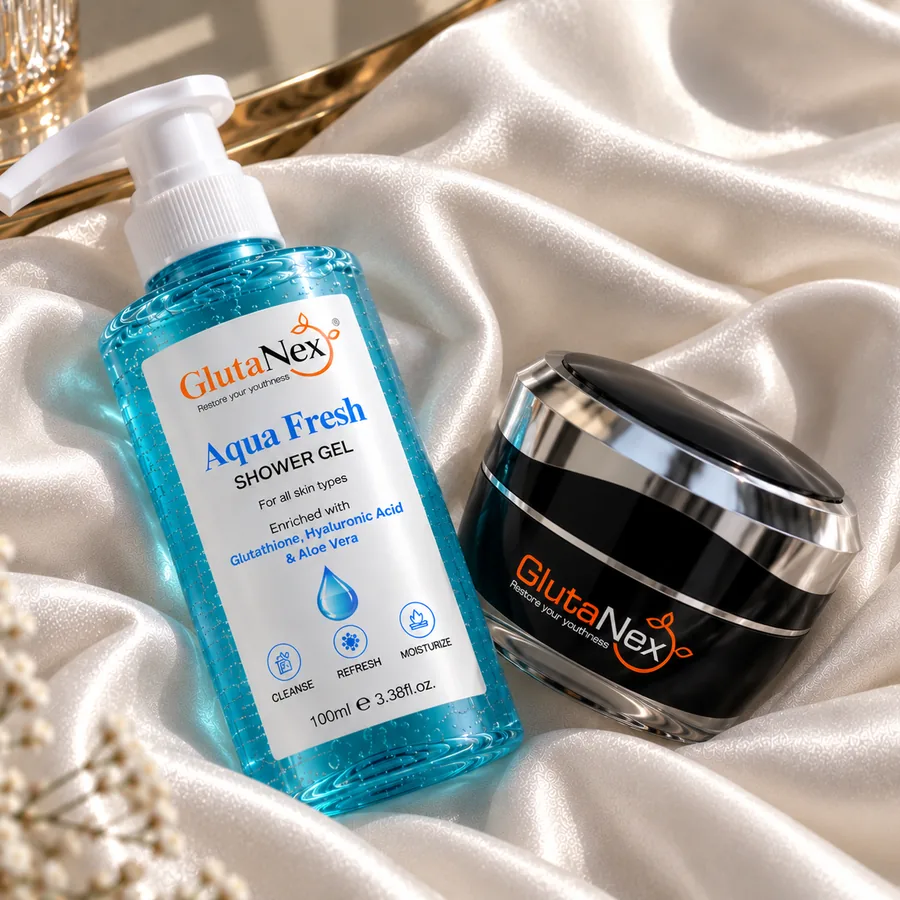 Cream + Gel Combo
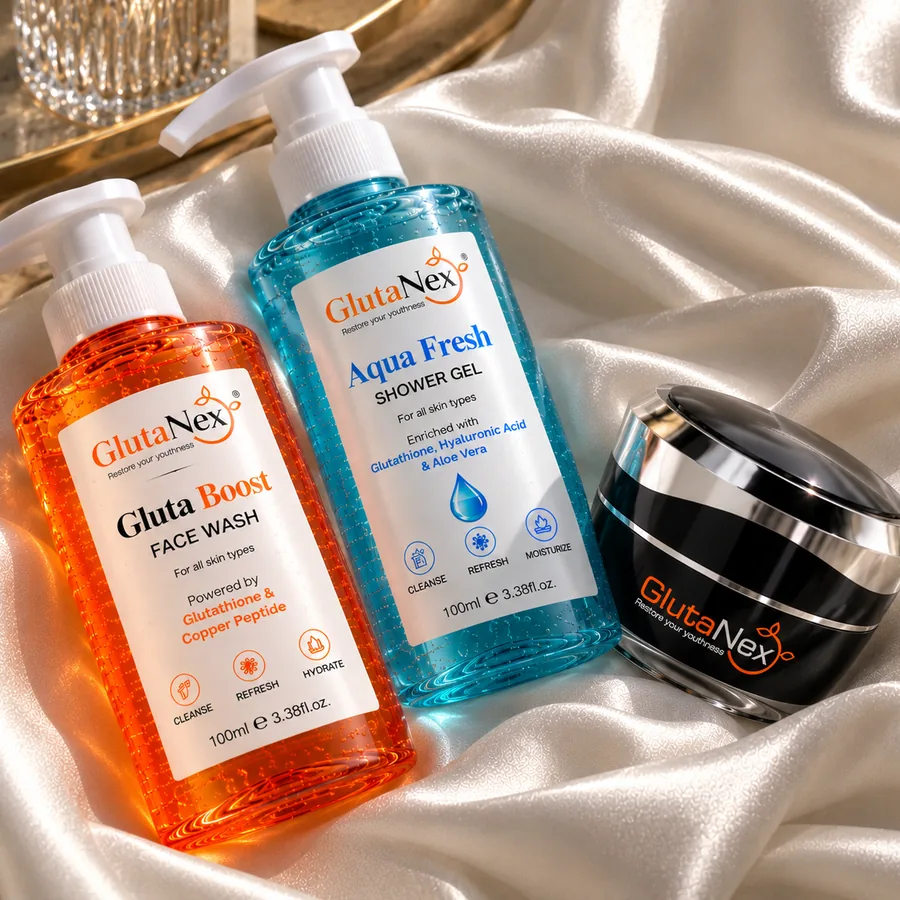 Glow Trio