
Glutathione cream with shea butter: how to use them together on dry winter skin, lips, hands and heels
Can you use shea butter with glutathione cream? Yes, on dry skin: cream first, a rice-grain amount of shea butter on dry patches as the last step. Where shea works best, who should skip it on the face, and how to use it with a retinol night cream.
Can I apply shea butter after glutathione cream?
Yes, if your skin is dry. Apply the glutathione cream first, wait a few minutes, then warm a rice-grain amount of shea butter between your fingertips and press it on dry patches only. Shea is heavy, so most faces need very little, and oily or acne-prone skin usually does better without it.
Is shea butter good for oily skin?
Usually not on the face. Shea butter is rich and occlusive, so on oily or acne-prone skin, especially in humid Indian weather, it can feel greasy and may lead to clogged pores for some people. Use a thin layer of cream on the face and keep shea for lips, hands, elbows and heels.
Can I mix shea butter into my glutathione cream?
It is better not to. Adding shea to the jar changes the texture, can spoil the cream sooner and makes the amount hard to control. If you want one step, mix a tiny amount on the back of your hand right before applying.
You can use shea butter with glutathione cream if your skin is dry: apply the cream first on clean skin, wait a few minutes, then press a rice-grain amount of melted shea butter over dry patches as the last step. Shea is a heavy butter, so on the face a little goes a long way, and oily or acne-prone skin usually does better without it.
Shea butter comes from the nuts of the shea tree in West Africa. It is solid at room temperature in winter, melts on warm skin, and is used in many lip balms, body butters and heel creams. It helps seal moisture in, which is useful in an Indian winter with heaters, hot baths and dry air. It does not brighten skin or change your skin colour.
What shea butter can and cannot do
| What it can do | What it cannot do | |
|---|---|---|
| Dryness | Seal in moisture so dry, flaky skin feels softer by morning | Add water to skin on its own; it works best over a cream |
| Lips, hands, heels | Soften chapped lips, rough knuckles and cracked heels | Heal deep, bleeding cracks; see a doctor for those |
| Tan and spots | Nothing direct | Fade tan or dark spots; that takes sunscreen and steady care over weeks |
| Skin colour | Nothing | Make skin fair or "gora"; no butter or oil changes natural skin colour |
The right order on the face
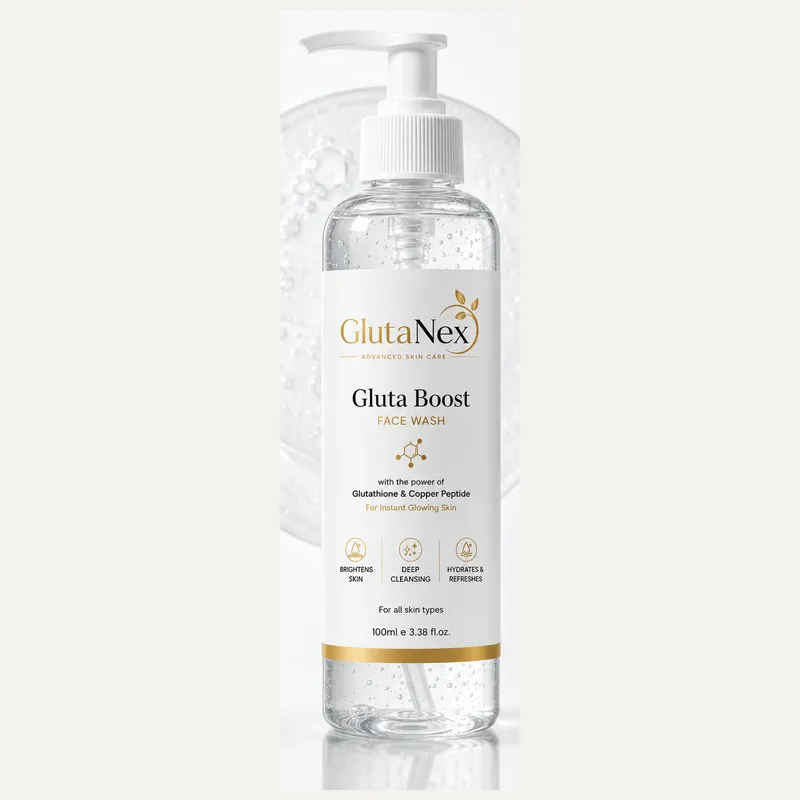
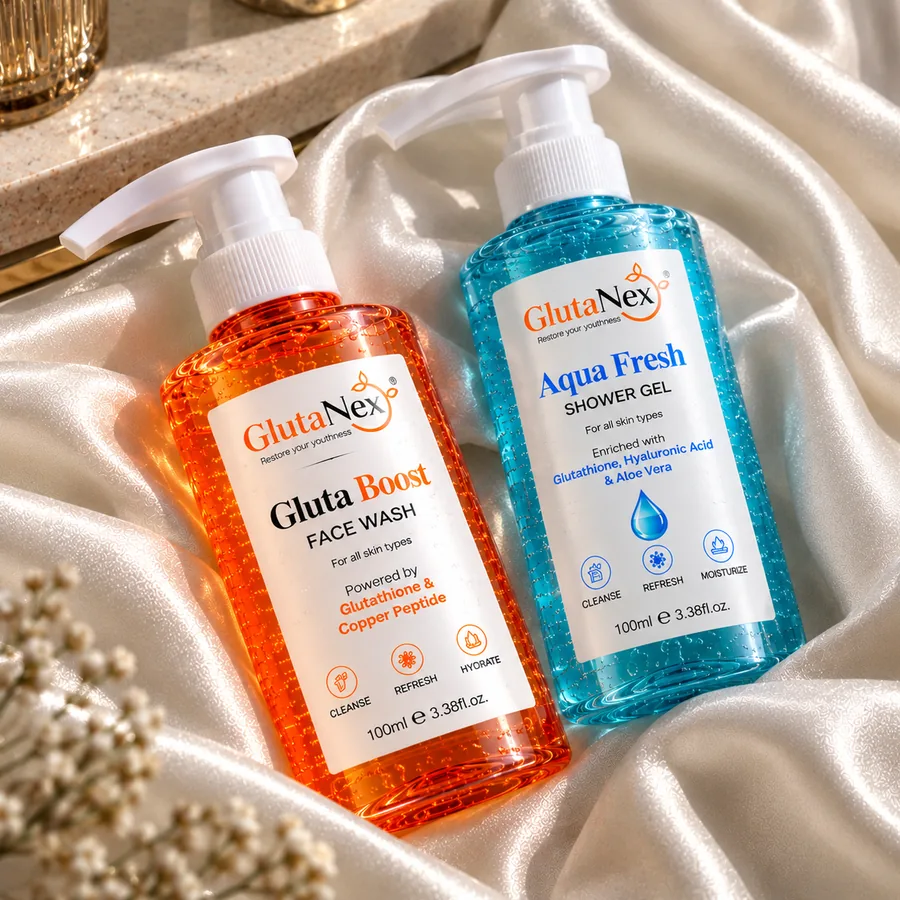
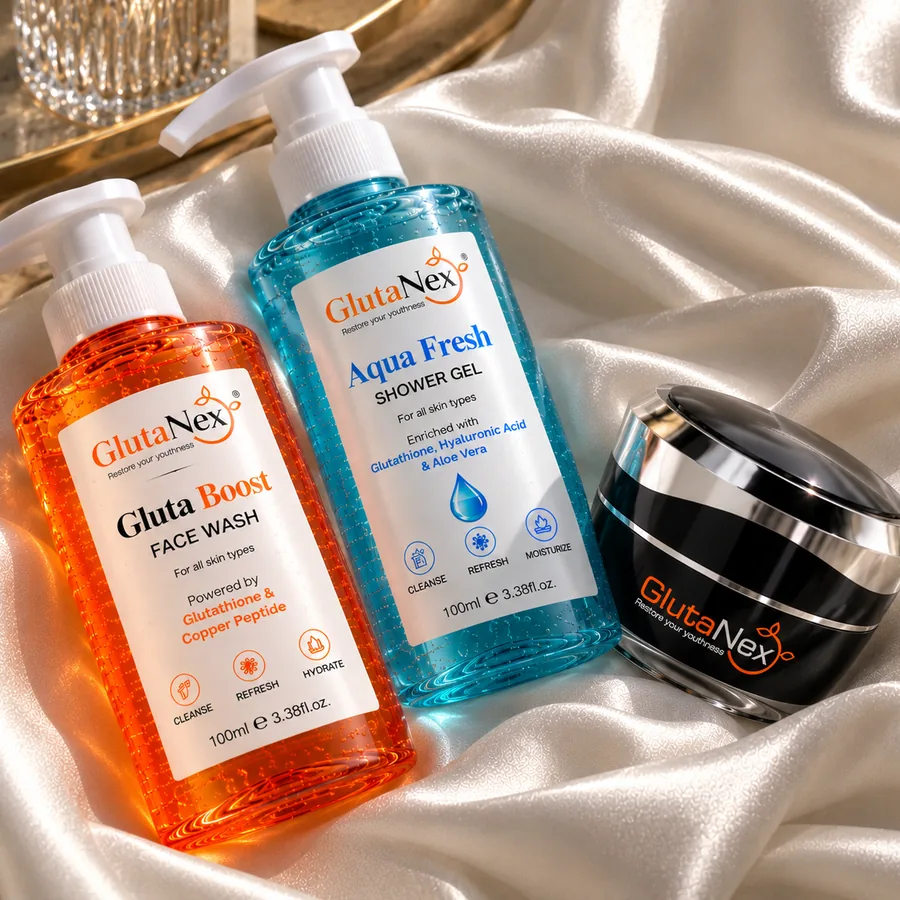
- Wash your face with a gentle face wash such as Gluta Boost Face Wash and pat dry.
- Apply a pea-sized amount of glutathione cream over the face and neck.
- Wait 5 to 10 minutes so the cream settles.
- Take a rice-grain amount of shea butter and rub it between your fingertips until it melts.
- Press it only on dry patches: cheeks, around the nose, the jawline. Skip the forehead and nose if they get oily.
- Next morning: face wash and a broad-spectrum sunscreen of SPF 30 or more. Skip shea under sunscreen on the face; it can make sunscreen pill or feel greasy.
Shea always goes last, because it seals in what is underneath. For the full cream method, read how to use glutathione cream.
Where shea butter works best
For many people, shea butter is more useful on the body than on the face.
- Lips: a thin layer at night for chapped lips. Keep the glutathione night cream off the lips; for dark-looking lips, see glutathione for dark lips.
- Hands and knuckles: after washing up or using sanitiser, rub a small amount into the backs of the hands. For dark-looking knuckles, see glutathione for hands and feet.
- Elbows and knees: on rough, dry areas after a bath; our dark knees and elbows guide has a full routine.
- Heels: a thick layer at night on cracked heels, with cotton socks.
Which skin types it suits on the face
| Skin type | Shea over cream? | Tip |
|---|---|---|
| Very dry | Yes, on winter nights | A rice-grain amount on cheeks; see glutathione cream for dry skin |
| Normal | Only on heater or very dry nights | Just on flaky spots |
| Combination | Cheeks only, if at all | Keep off the T-zone; see combination skin |
| Oily or acne-prone | Usually skip | A thin layer of cream is enough; see glutathione cream for oily skin |
| Sensitive | Patch test first | Choose plain, unscented shea; see sensitive skin |
In summer and the monsoon, most faces in India do not need shea at all. Save it for the dry months; our glutathione cream in winter guide covers the rest of the routine.
Using shea butter with GlutaNex Night Cream
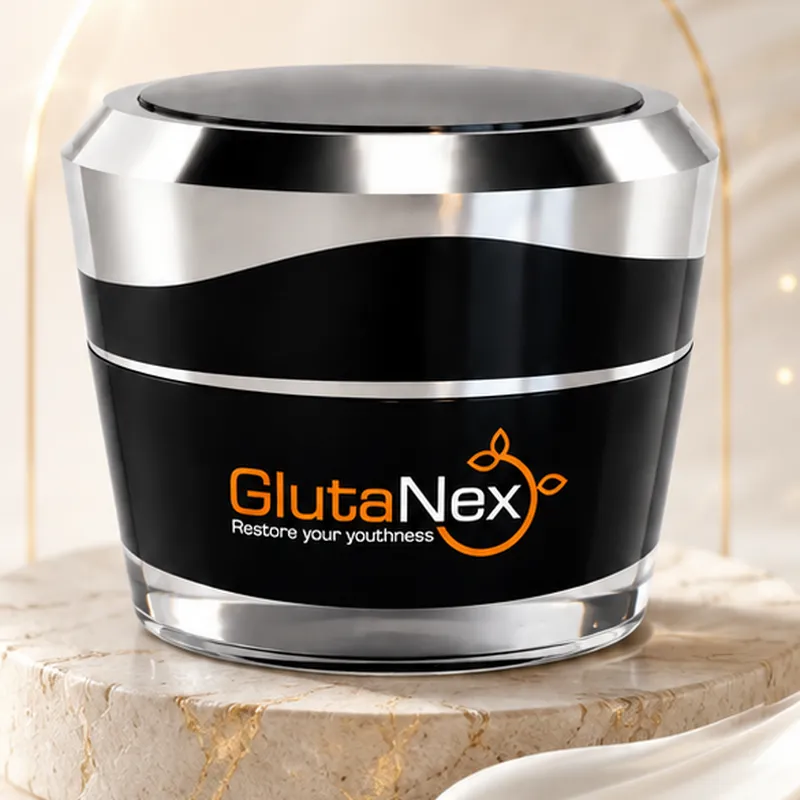
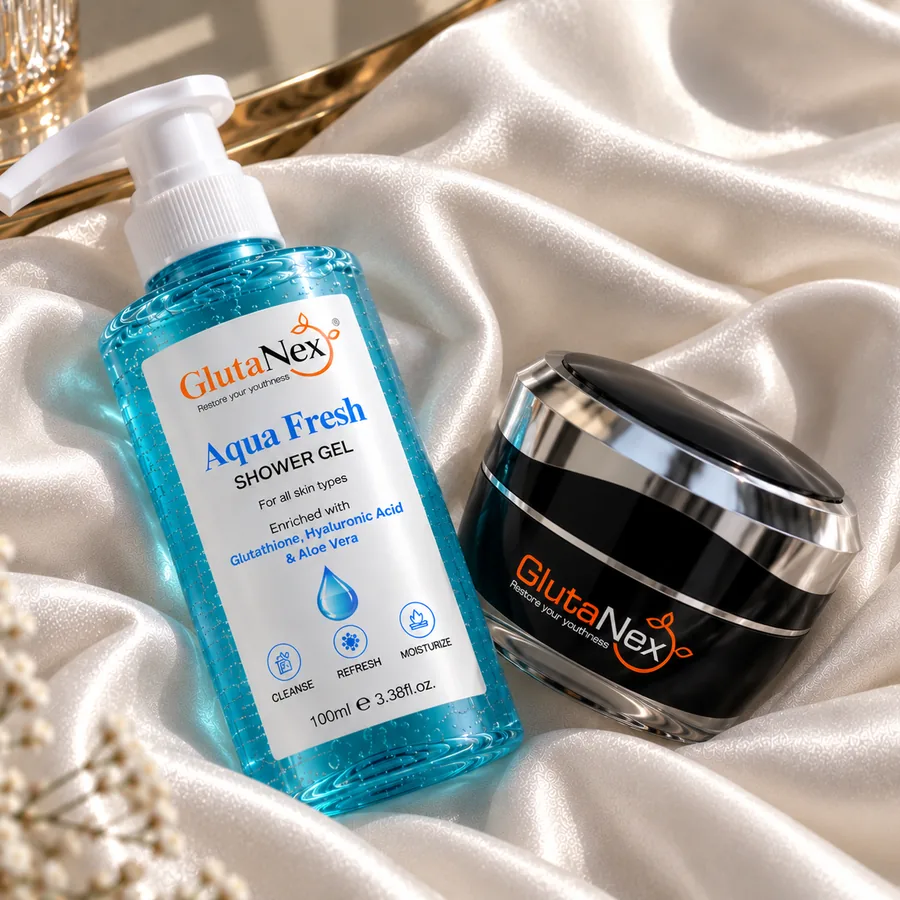
GlutaNex Glutathione Night Cream contains glutathione, niacinamide, hyaluronic acid, vitamin C, retinol, ceramides, salicylic acid, peptides, aloe vera, turmeric and neem. Because of the retinol and salicylic acid, it is a night-only face cream, started 2 to 3 nights a week.
- If retinol leaves cheeks dry or flaky in the first weeks, a rice-grain amount of shea on those patches can help them feel comfortable.
- Do not use shea to cover stinging or burning. Wash the cream off and read glutathione cream burning.
- Not in pregnancy or breastfeeding unless your doctor says it is fine, and never on lips or broken skin.
Buying shea butter: what to check
- Raw or refined: raw (unrefined) shea is ivory to yellow and has a nutty smell; refined shea is white with little smell. Both work; refined suits people who dislike the smell.
- One ingredient: the label should say shea butter (Butyrospermum parkii), without added perfume.
- Texture in heat: shea melts in Indian summers and can turn grainy when it sets again. That is normal and does not mean it has gone off; a sour or rancid smell does.
- Allergies: shea comes from a nut. If you have a nut allergy, ask your doctor before using it.
When to see a dermatologist
See a dermatologist for acne that is painful or keeps coming back, eczema-like patches that itch and crack, heels that bleed or hurt, or if any product causes rash or swelling. Patch test new products on your jawline first.
General information about cosmetic skincare, not medical advice. Results vary from person to person. See a dermatologist for persistent or changing pigmentation.
More glutathione guides
Glutathione: what it is, what it does for skin, and how to use it safely
The complete guide: what glutathione is, how it affects skin, every form compared, and the research.
GuideGlutathione cream: answers to the most-asked questions
Straight answers to what people ask Google about glutathione cream: does it work, daily use, whitening, the best one, retinol and more.
 Night Cream
 Face Wash
 Glow Duo
 Shower Gel
 Wash + Gel Combo
 Cream + Gel Combo
 Glow Trio