
Glutathione cream with papaya: can you use a papaya pack and the cream together?
Can you use a papaya face pack with glutathione cream? Use the pack on a different night from an active cream, rinse it off fully, and never mix it into the jar. Who should skip it, honest results.
Can I use papaya with glutathione cream?
Yes, but not on the same night if your cream has retinol or salicylic acid. Papaya contains a natural fruit enzyme that gently exfoliates, so stacking it with another exfoliating cream can make skin red and sore. Use the papaya pack on a rest night, rinse it off fully, then a plain moisturiser.
Should I apply papaya before or after glutathione cream?
Before, and always rinsed off, on a night you are not using an active cream. Papaya is a short rinse-off pack; the cream is a leave-on step. Never apply fruit pulp on top of a cream or leave it on overnight.
Does papaya with glutathione make skin fair?
No. A papaya pack can leave skin feeling smoother and looking fresher for a while. A glutathione cream with daily sunscreen may help tan and dark marks look lighter slowly over 8 to 12 weeks. Neither changes your natural skin colour.
You can use papaya with glutathione cream, but as a short rinse-off face pack on a different night from an active cream, not mixed in and not on the same night as retinol or salicylic acid. Papaya contains a natural fruit enzyme (papain) that loosens dead skin, so it already acts as a mild exfoliant; adding it on top of another exfoliating cream is the most common reason for red, stinging skin after home packs.
Mashed papaya, often with honey or besan, is one of the most popular Indian home face packs for tan and dull skin, and papaya is in many store-bought facial kits too. This guide explains the safe order, how to plan your week, who should skip papaya, and what it can and cannot do.
Papaya pack vs glutathione cream at a glance
| Papaya pack | Glutathione cream | |
|---|---|---|
| Main cosmetic job | Mild exfoliation; skin feels smoother and looks fresher | Brighter, more even-looking tone over weeks |
| How long it stays on | 10 minutes at most, then rinsed off | Left on overnight as a thin layer |
| How often | Once a week is plenty | As your cream's label says; slowly at first if it has retinol |
| Main downside | Stinging, redness or itching on sensitive skin; latex allergy risk | Works slowly; needs sunscreen every morning |
| What it cannot do | Remove tan or spots, or change skin colour | Change your natural skin colour |
How to plan your week
| Night | What to do |
|---|---|
| Cream nights (2 to 3 a week at first) | Gentle face wash, then a pea-sized layer of glutathione cream. No papaya, no scrub. |
| Papaya night (once a week) | Face wash, papaya pack for up to 10 minutes, rinse, plain moisturiser. No active cream. |
| Rest nights | Face wash and a plain moisturiser. |
| Every morning | Gentle wash, moisturiser, sunscreen SPF 30 or higher. |
Leave at least one night between the papaya pack and your active cream. If your skin feels warm or tight the next day, wait another night. For general layering, read how to use glutathione cream.
The right way to do a papaya pack
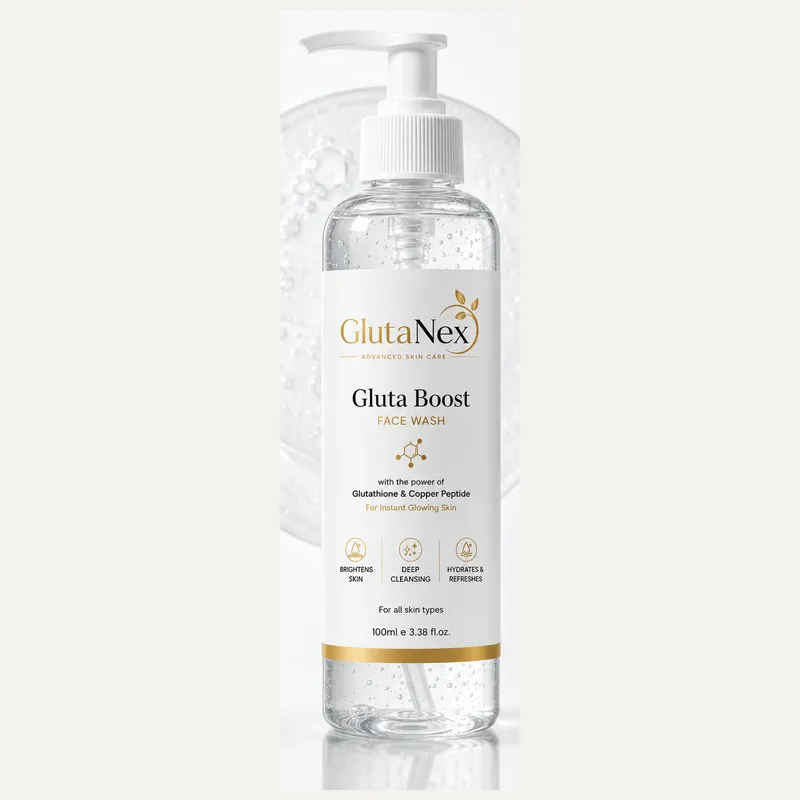
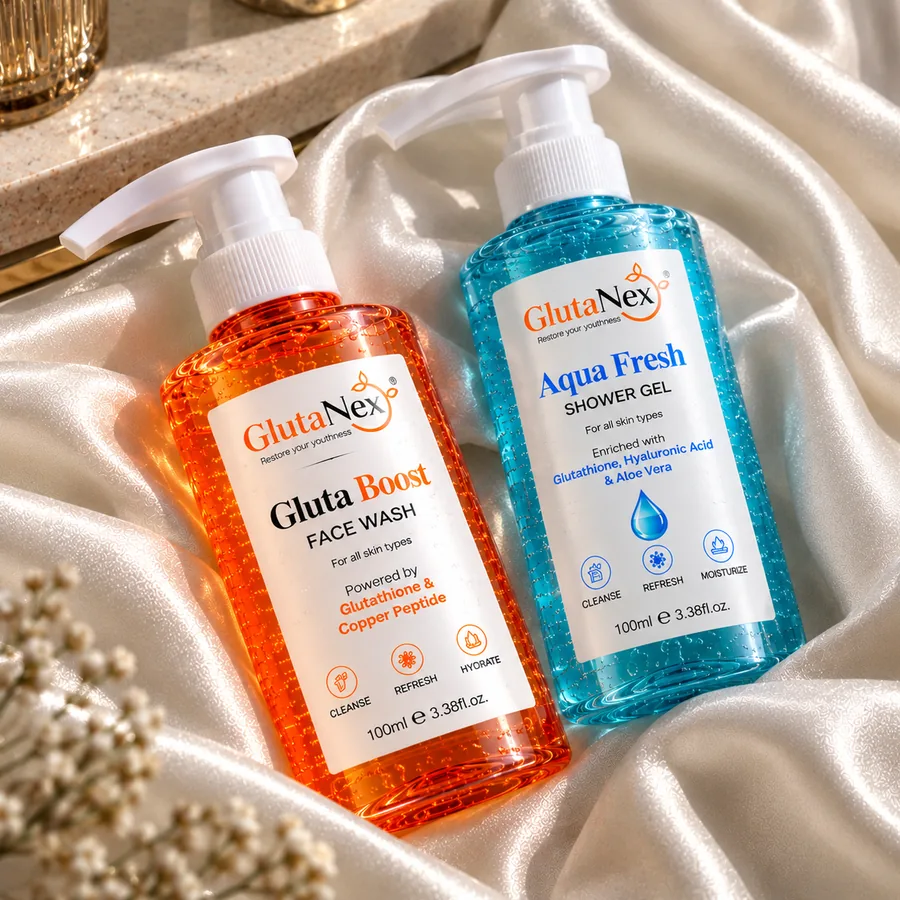
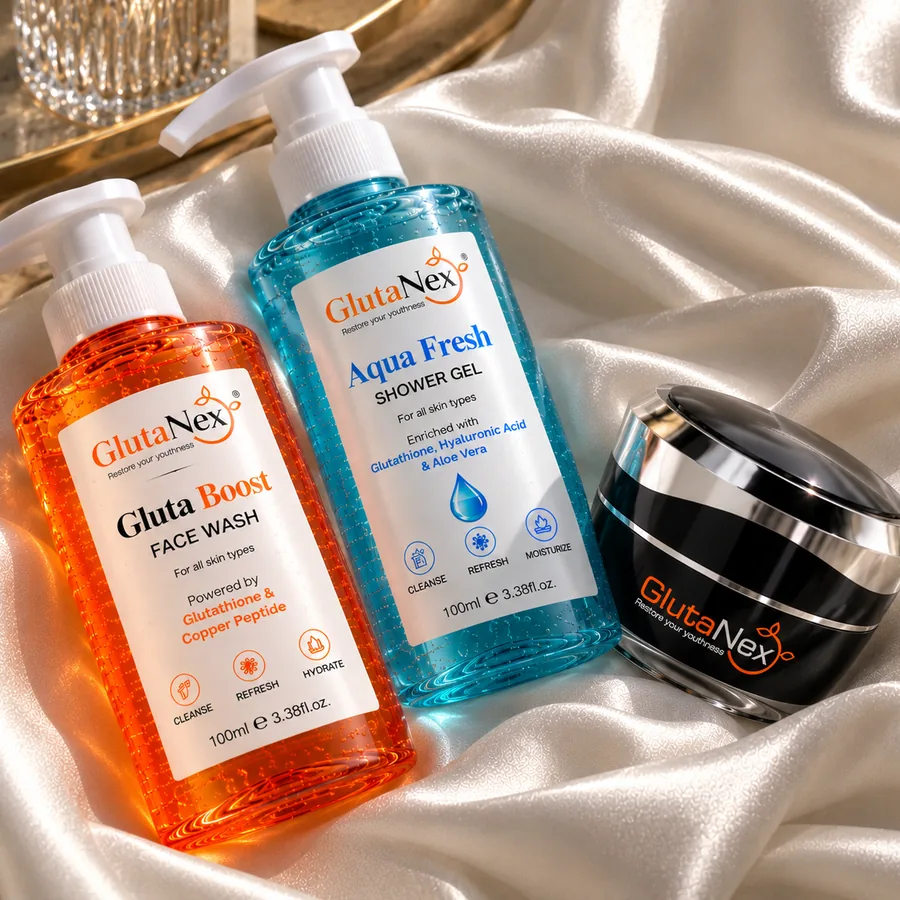
- Cleanse with a gentle face wash such as Gluta Boost Face Wash and pat dry.
- Mash 1 to 2 tablespoons of ripe papaya into a smooth pulp in a clean bowl. Ripe fruit is milder than raw green papaya.
- Spread a thin layer on the face, away from the eyes and lips.
- Rinse off within 10 minutes with lukewarm water, or sooner if it stings or itches.
- Pat dry and apply a plain moisturiser. Keep the active cream for another night.
- Sunscreen the next morning, as always.
Adding honey is fine for most skin; see glutathione cream with honey. Do not add lemon, baking soda or toothpaste; read glutathione cream with lemon for why.
A special note on GlutaNex Night Cream
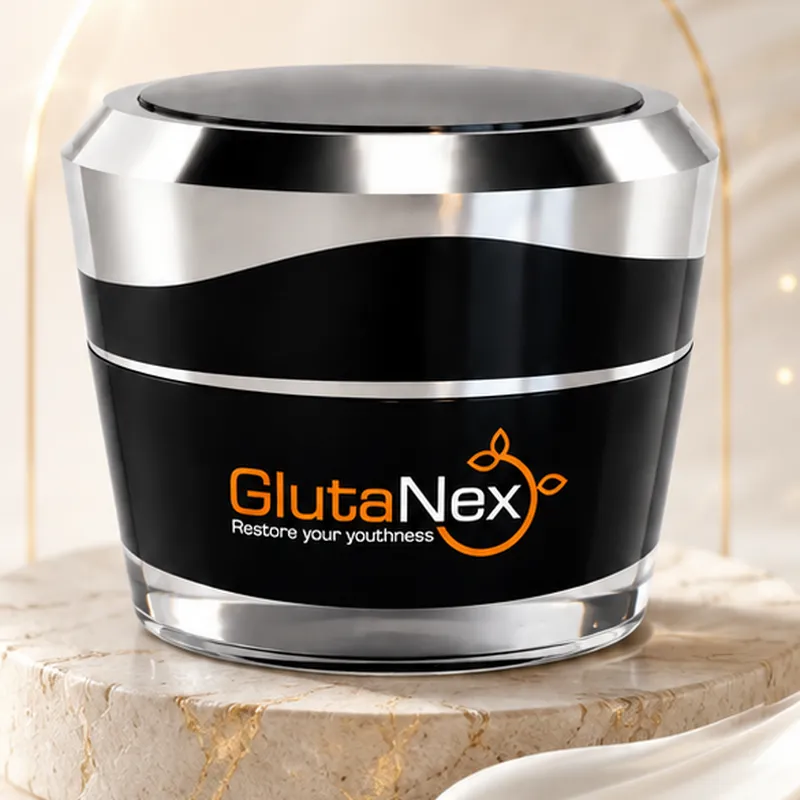
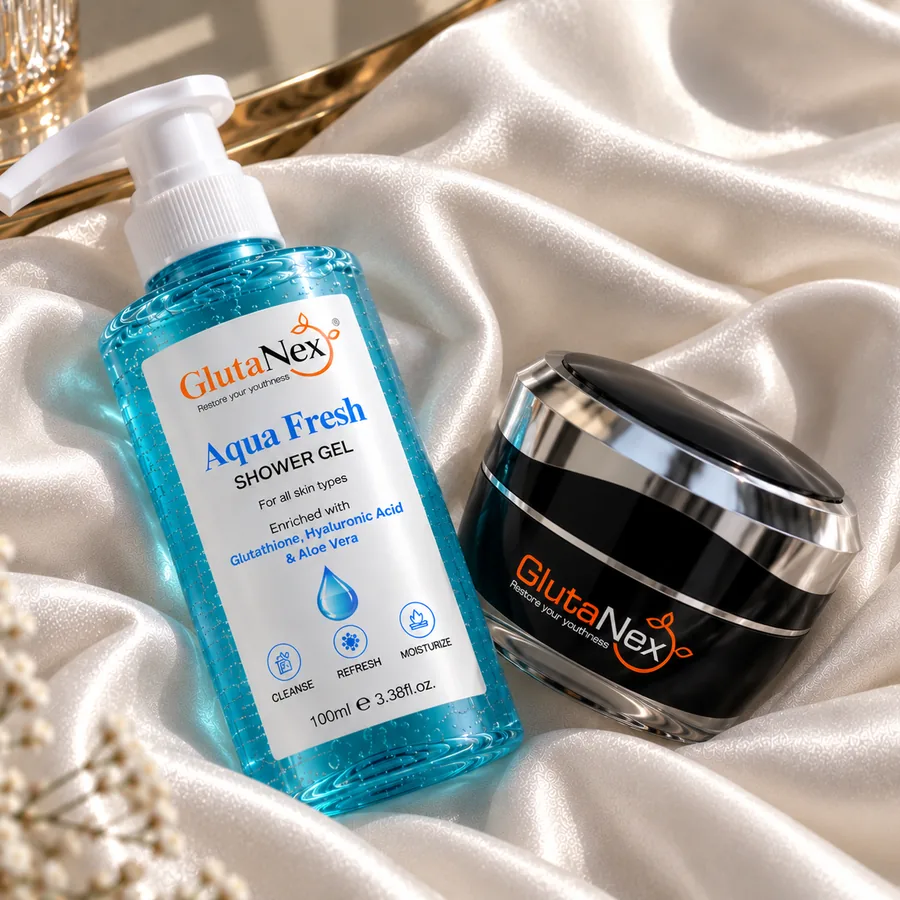
GlutaNex Glutathione Night Cream contains glutathione, niacinamide, hyaluronic acid, vitamin C, retinol, ceramides, salicylic acid, peptides, aloe vera, turmeric and neem. It does not contain papaya. Because the retinol and salicylic acid already renew and exfoliate the skin, it is night-only and should not share a night with a papaya pack, a scrub or a peel.
- Start the cream 2 to 3 nights a week and keep the papaya pack to once a week on a non-cream night.
- In the first 4 to 6 weeks on the cream, many people do better skipping fruit packs altogether.
- If your face stings after the cream, wash it off and read glutathione cream burning.
The same rule applies to other exfoliating steps; see glutathione and salicylic acid and glutathione vs glycolic acid.
Who should skip papaya on the face
| Skin type or situation | Papaya pack? |
|---|---|
| Normal or oily skin | Once a week on a non-cream night is fine for most |
| Sensitive skin or rosacea | Patch test on the jaw first; skip it if it stings |
| Latex allergy | Avoid papaya on skin; ask your doctor |
| Active, painful pimples | Skip it; see can glutathione cream cause pimples |
| Broken, sunburnt or freshly waxed skin | Skip both the pack and the active cream until it settles. See glutathione cream after waxing or threading |
| Pregnancy or breastfeeding | Ask your doctor before any retinol cream; keep home packs gentle |
Papaya for tan: an honest view
A papaya pack can make tanned skin feel smoother and look a little brighter for a day or two, because it loosens dull dead skin on the surface. It does not remove tan or change your skin colour. Tan and dark marks look lighter over weeks with daily sunscreen and steady use of a brightening cream; read glutathione for dark spots and tan and glutathione cream results for realistic timelines.
When to see a dermatologist
See a dermatologist if your skin swells, itches badly, blisters or breaks into a rash after papaya, or if you have melasma, painful acne or patches that keep spreading. Those need a proper diagnosis, not more home packs.
General information about cosmetic skincare, not medical advice. Results vary from person to person. See a dermatologist for persistent or changing pigmentation.
More glutathione guides
Glutathione: what it is, what it does for skin, and how to use it safely
The complete guide: what glutathione is, how it affects skin, every form compared, and the research.
GuideGlutathione cream with tomato (tamatar): can you use both?
Can you use tomato juice or a tomato pack with glutathione cream? Use it on a different night from an active cream, rinse it off, and never mix it into the jar. Who should skip it, honest results.
GuideGlutathione cream with castor oil (arandi ka tel): can you use both?
Can you use castor oil with glutathione cream? Keep castor oil for brows, lashes, heels and dry patches, keep the cream on the face, and never mix them. Who should skip it, honest results.
 Night Cream
 Face Wash
 Glow Duo
 Shower Gel
 Wash + Gel Combo
 Cream + Gel Combo
 Glow Trio