
Glutathione cream with argan oil: the right order, how many drops, and what argan oil can and cannot do
Can you use argan oil with glutathione cream? Yes: cream first, one or two drops of pure argan oil pressed on top on dry nights. Which skin types it suits, how to spot a diluted bottle, and the honest truth about argan oil and dark marks.
Can I use argan oil with glutathione cream?
Yes, if your skin is dry, normal or dry on the cheeks. Apply the glutathione cream first on clean, dry skin, wait a few minutes, then press one or two drops of pure argan oil over dry areas. Use it at night, and do not mix the oil into the cream jar.
Should argan oil go before or after cream?
After. An oil forms a thin layer that slows water loss, so it works best as the last step. Applying argan oil first makes the cream slide around and can leave the face greasy without helping either product.
Does argan oil remove dark spots or tan?
No. Argan oil helps dry skin feel softer and look less dull, but it does not remove dark spots, tan or acne marks, and it does not change skin colour. Marks fade slowly over weeks, mainly with daily sunscreen and a steady routine.
You can use argan oil with glutathione cream, as long as you layer them instead of mixing them. Apply the cream first on clean, dry skin, wait a few minutes, then press one or two drops of pure argan oil over the dry parts of your face as the last step of your night routine.
Argan oil is pressed from the kernels of the argan tree, which grows in Morocco. It feels medium-light, absorbs fairly well and is more stable in heat than many delicate oils. In India it is sold mostly for hair, and often as "liquid gold" for the face. It can make dry skin feel softer and look less dull, but it is not a brightening treatment.
What argan oil can and cannot do
| What it can do | What it cannot do | |
|---|---|---|
| Dryness | Help dry, tight skin feel comfortable by morning | Replace a moisturiser on its own for very dry skin |
| Dull look | Give dry skin a softer, less flaky look | Add "glow" that lasts without sunscreen and sleep |
| Dark marks and tan | Nothing direct | Remove spots, tan or pigmentation |
| Skin colour | Nothing | Make skin fair or "gora"; no oil changes natural skin colour |
The right order: cream first, argan oil last
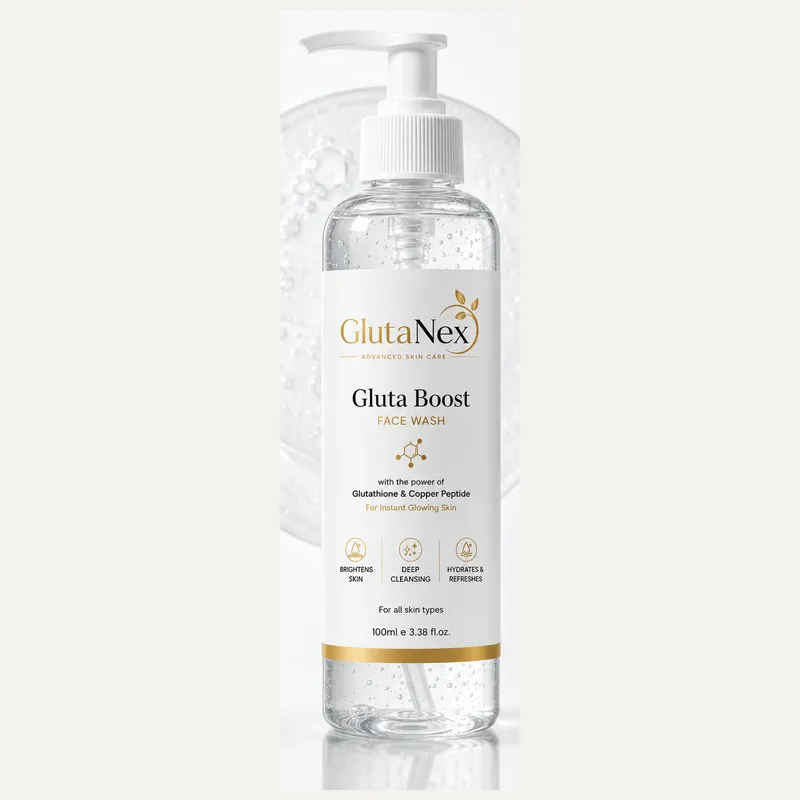
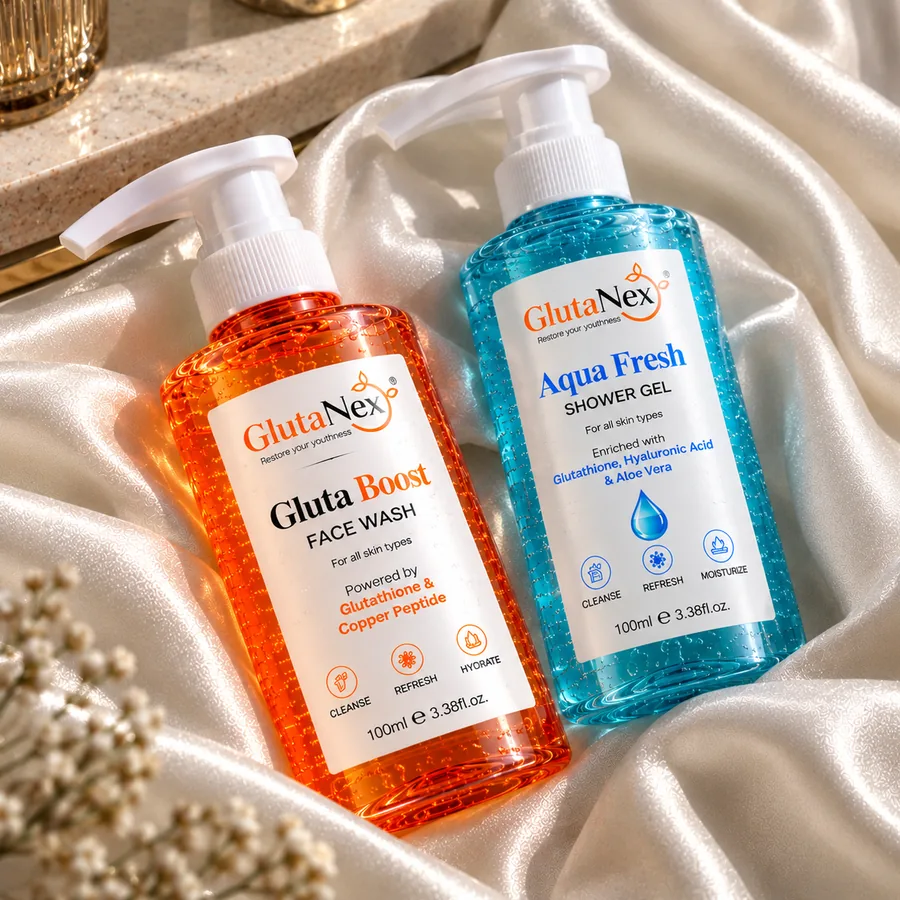
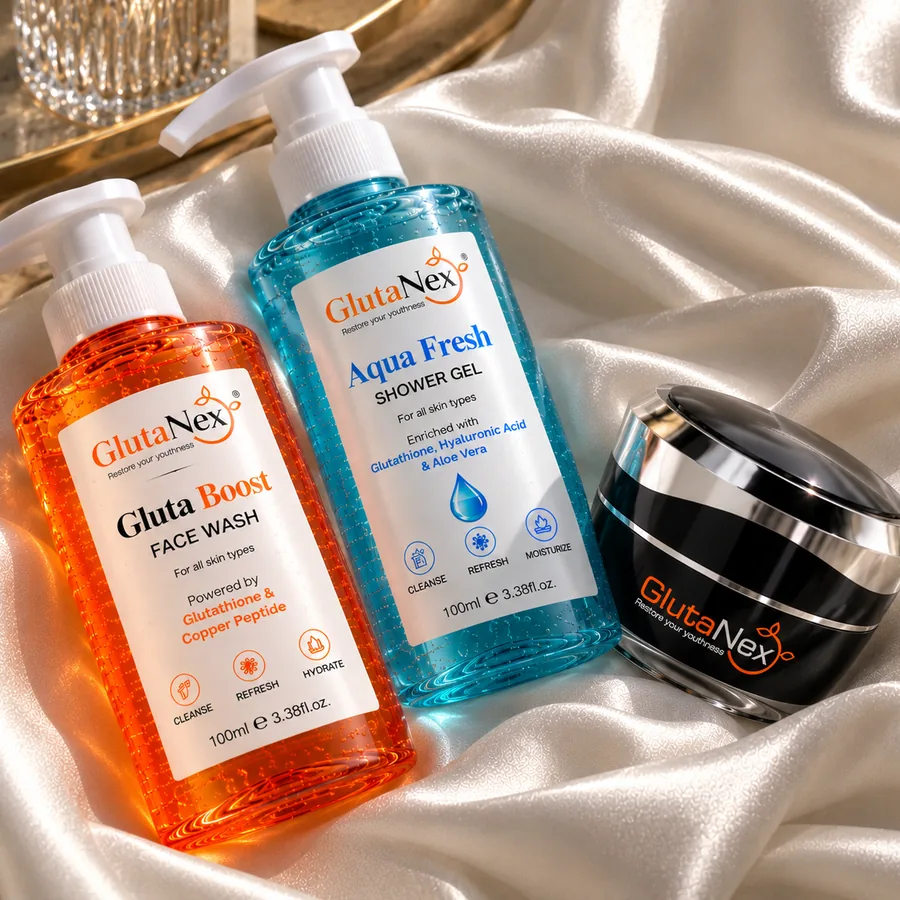
- Wash your face with a gentle face wash such as Gluta Boost Face Wash and pat dry.
- Wait until skin is fully dry, especially on nights you use a retinol cream. Damp skin can make retinol sting more.
- Apply a pea-sized amount of glutathione cream over the face and neck.
- Wait 5 to 10 minutes so the cream settles.
- Warm one or two drops of argan oil between your fingertips and press them over dry areas: cheeks, sides of the nose, jawline. Skip an oily forehead and nose.
- Next morning: face wash, a light moisturiser if needed, and a broad-spectrum sunscreen of SPF 30 or more.
Two drops is enough for most faces; more only makes the pillow oily. For the full cream method, read how to use glutathione cream.
Is your argan oil pure? A quick label check
Many bottles sold as argan oil in India are hair serums or blends with a little argan in them, plus silicones, mineral oil or fragrance. These are fine for hair but not what you want on your face at night.
- The ingredient list should say only "Argania spinosa kernel oil".
- No added fragrance: pure cosmetic argan oil has a mild, slightly nutty smell or almost none.
- Dark glass or opaque bottle with a dropper, a batch number and a use-by date.
- A very low price for a large bottle is a warning sign that it is diluted.
- Hair serum is not face oil. If the label says "hair", leave it for your hair.
Keep the oil and the cream cool and closed, away from a sunny window; see how to store glutathione cream.
Which skin types it suits
| Skin type | Argan oil over cream? | Tip |
|---|---|---|
| Dry | Yes, most nights in winter or with a heater | Two drops over the cream; see glutathione cream for dry skin |
| Normal | On dry, AC or heater nights | One drop on the cheeks |
| Combination | Cheeks only | Keep it off the T-zone; see combination skin |
| Oily or acne-prone | Usually not needed | Test one drop on one cheek for a week; stop if new bumps appear |
| Sensitive | Patch test first | Jawline for 3 nights before the whole face; see sensitive skin |
In humid months and coastal cities, most faces do not need oil at all on top of a cream. North Indian winters, heaters and long hot baths are when argan oil is most useful.
Using argan oil with GlutaNex Night Cream
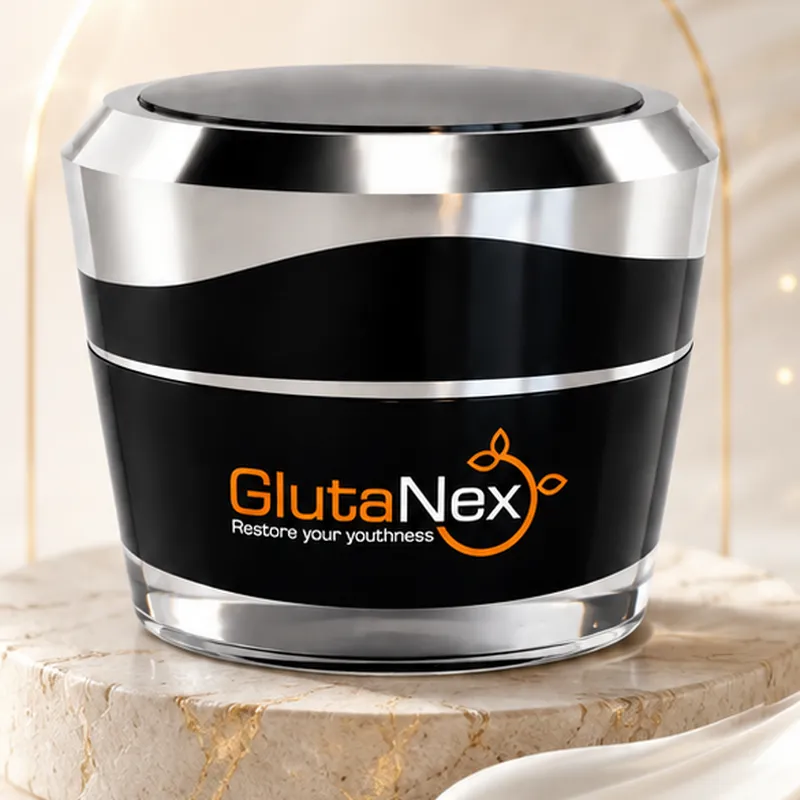
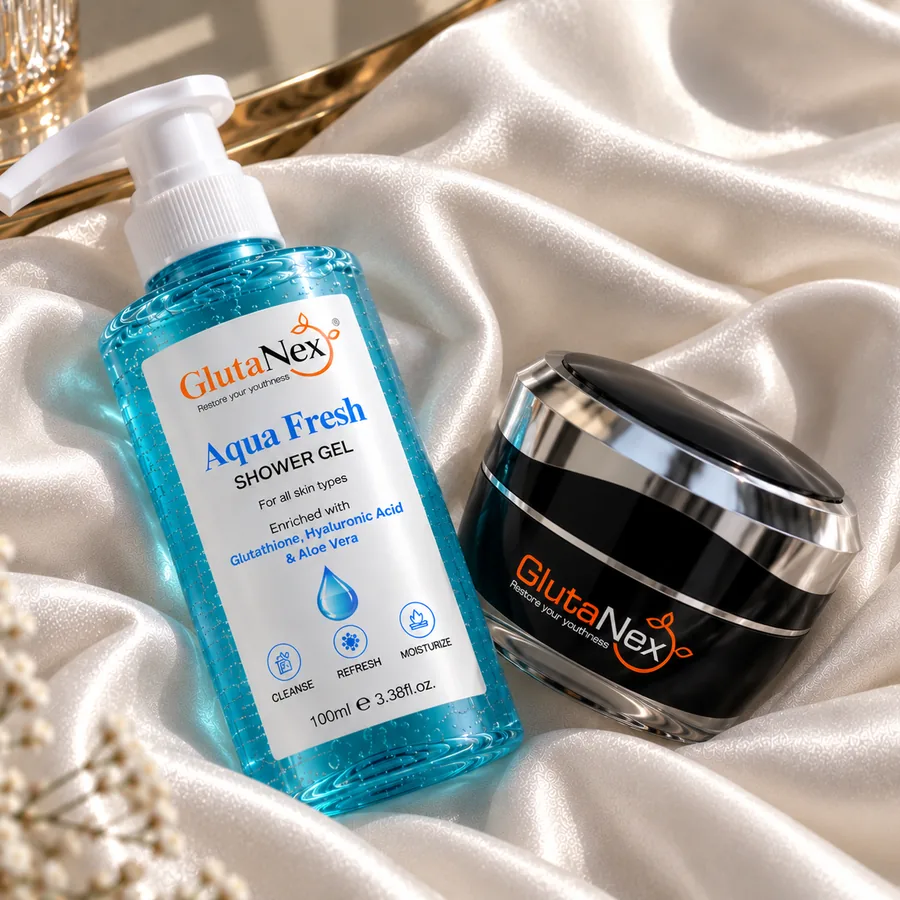
GlutaNex Glutathione Night Cream contains glutathione, niacinamide, hyaluronic acid, vitamin C, retinol, ceramides, salicylic acid, peptides, aloe vera, turmeric and neem. Because of the retinol and salicylic acid, it is a night-only face cream, started 2 to 3 nights a week.
- In the first weeks of retinol, skin can feel dry or a little flaky. A drop of argan oil over the cream on those nights can make skin feel more comfortable.
- On nights off the Night Cream, argan oil over a plain moisturiser is a simple option for dry skin.
- Do not use oil to calm stinging or burning. Wash the cream off instead, and read glutathione cream burning.
- Not in pregnancy or breastfeeding unless your doctor says it is fine, and never on lips, broken or freshly waxed skin.
New to retinol? Read retinol vs glutathione to understand what each ingredient does.
Argan vs other face oils
Argan sits in the middle: lighter than coconut or castor oil, a little richer than jojoba, and more stable in heat than rosehip. You only need one oil, not several. Compare jojoba oil, rosehip oil and almond oil with glutathione cream if you are choosing one for winter. Coconut oil is heavy for acne-prone faces; see coconut oil with glutathione cream.
Argan oil on lips, hands and heels
Argan oil is also useful away from the face. Rub a drop into cuticles and dry hands at night, or over a thick foot cream on cracked heels. Keep any glutathione face cream with retinol off your lips; for dry lips, a plain lip balm or a tiny drop of argan oil works better.
When to see a dermatologist
See a dermatologist for acne that is painful or cystic, for brown patches on both cheeks that may be melasma, or if any oil causes itching, rash or swelling. Patch test new oils on your jawline first.
General information about cosmetic skincare, not medical advice. Results vary from person to person. See a dermatologist for persistent or changing pigmentation.
More glutathione guides
Glutathione: what it is, what it does for skin, and how to use it safely
The complete guide: what glutathione is, how it affects skin, every form compared, and the research.
GuideGlutathione cream with oats: a gentle oats face pack, when to use it, and how to follow with your cream
Can you use an oats face pack with glutathione cream? Yes: a soft oats pack first, rinse, dry the skin, then the cream. A simple kitchen recipe, why oats should not be rubbed as a scrub, and how to time it with a retinol night cream.
GuideGlutathione cream: answers to the most-asked questions
Straight answers to what people ask Google about glutathione cream: does it work, daily use, whitening, the best one, retinol and more.
 Night Cream
 Face Wash
 Glow Duo
 Shower Gel
 Wash + Gel Combo
 Cream + Gel Combo
 Glow Trio