
Glutathione and ceramides together: what each does and why the pair makes sense
Can you use glutathione and ceramides together? What ceramides do for the skin barrier, why they suit a glutathione night cream, and how to use both in Indian weather.
Can I use glutathione and ceramides together?
Yes. Glutathione and ceramides do different jobs and do not cancel each other out. Glutathione is used for a brighter, more even-looking tone, while ceramides are skin lipids that help the outer layer hold water and feel comfortable. They are often put in the same cream, and the pairing is gentle enough for most skin types.
What do ceramides do in a glutathione cream?
Ceramides help support the skin barrier, the outer layer that keeps water in and irritants out. In a night cream that also has active ingredients, such as retinol or salicylic acid, they help the skin feel less dry and tight while it gets used to those actives.
Are ceramides good for oily skin?
Yes, oily skin can still have a weak barrier, especially after harsh face washes, scrubs or acne products. Ceramides are not heavy oils, so in a light cream they rarely feel greasy. Use a pea-sized amount and judge how your skin feels after a week or two.
Glutathione and ceramides work well together because one is aimed at how even your skin tone looks and the other at how well your skin holds on to water. Neither one undoes the other. The real value of ceramides shows up when a cream also has stronger ingredients, which is why our night cream carries both.
Glutathione vs ceramides at a glance
| Glutathione | Ceramides | |
|---|---|---|
| What it is | An antioxidant made of three amino acids; the body makes it every day | Fats (lipids) that occur naturally in the outer layer of skin |
| Main cosmetic job | Brighter, more even-looking tone over weeks | Helps the skin barrier hold water; softer, less tight-feeling skin |
| How fast you notice it | Slowly, over 8 to 12 weeks, and the effect is modest | Comfort can feel better within days of regular use |
| Best suited to | Dullness, tan, uneven-looking tone | Dry, tight, flaky or easily irritated skin |
| Main downside | Small studies; does not change natural skin colour | Very few; a rich formula can feel heavy on very oily skin |
What ceramides actually are
Think of the outer layer of skin as a brick wall. The skin cells are the bricks and a mix of lipids is the mortar. Ceramides are a major part of that mortar, along with cholesterol and fatty acids. When the mortar is in good shape, water stays in and dust, sweat and harsh products have a harder time getting through.
The barrier gets weaker with age and with everyday Indian habits: hot showers in winter, harsh soap, hard bore-well water, long hours under air conditioning and over-scrubbing. Skincare ceramides do not rebuild your skin, but they help top up the outer layer so it feels smoother and less dry. If you want the basics on other ingredients, see our glutathione skincare glossary.
What glutathione adds
Glutathione is used in creams for a brighter, more even-looking tone. A 2025 review called topical glutathione promising but noted the studies are small and short (Khanna et al., J Clin Aesthet Dermatol 2025). It works slowly and it does not change the colour you were born with. Our guide to glutathione benefits for skin explains what it can and cannot do.
Ceramides do nothing for tone directly. What they do is help your skin stay comfortable enough to keep using a tone-focused cream night after night, and consistency is what matters most for any visible change.
Why ceramides matter in a cream with retinol and salicylic acid
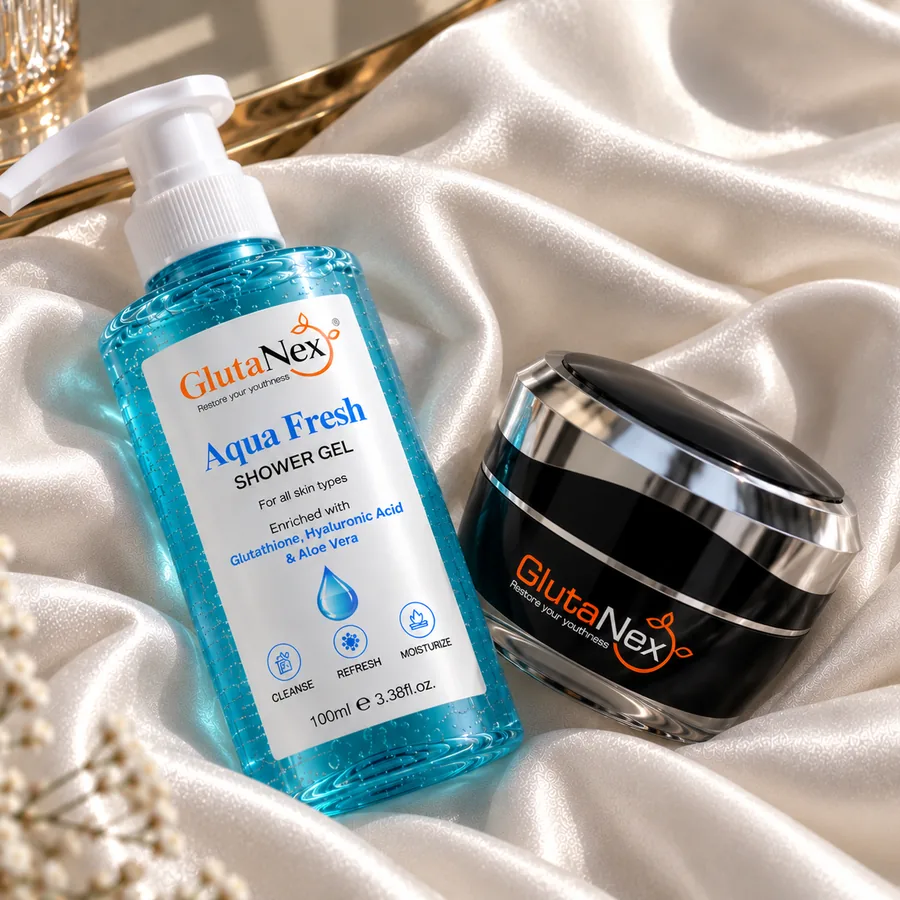
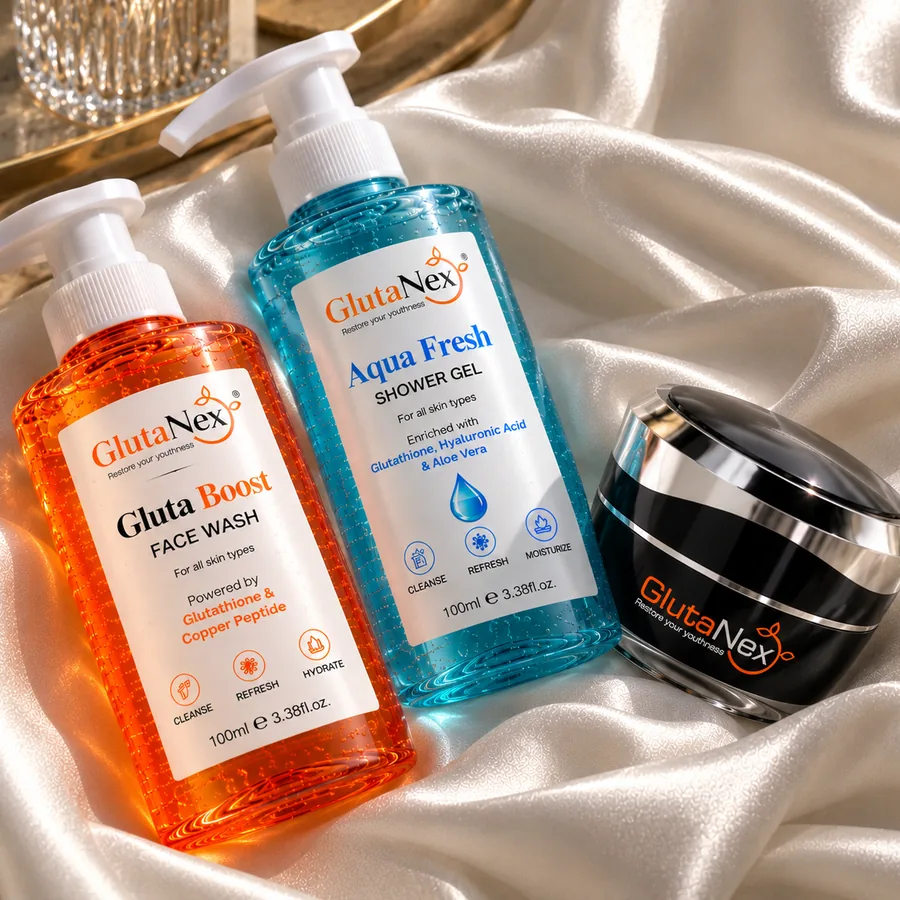
GlutaNex Glutathione Night Cream contains glutathione together with retinol (vitamin A) and salicylic acid (BHA), plus niacinamide, hyaluronic acid, ceramides, peptides and aloe vera. Retinol and salicylic acid can cause dryness, flaking and stinging in the first weeks, especially on dry or sensitive skin. Ceramides, hyaluronic acid and aloe vera are there to cushion that.
They do not make strong actives risk-free. You still need a slow start, and you still need sunscreen. But a formula with barrier-supporting ingredients is usually easier to live with than actives on their own. For the full list, read glutathione cream ingredients.
Who the pair suits
| Skin type or situation | Our honest take |
|---|---|
| Dry skin in a north Indian winter | A good match. Add a plain moisturiser on top if you still feel tight. |
| Office workers in AC all day | Ceramides help with the tight, dehydrated feel AC leaves behind. |
| Oily or combination skin in humid cities | Fine in a light cream; use a pea-sized amount only. |
| Skin that stings after a new active | Barrier support helps, but pause the active and let the skin settle first. |
| Eczema, rosacea or constant redness | See a dermatologist. A cosmetic cream is not a treatment. |
| Pregnant or breastfeeding | Ceramides are mild, but a cream with retinol is not for this time unless your doctor says it is fine. |
How to use glutathione and ceramides together
- Patch test. Apply a little on the jawline for two nights before using it on the whole face.
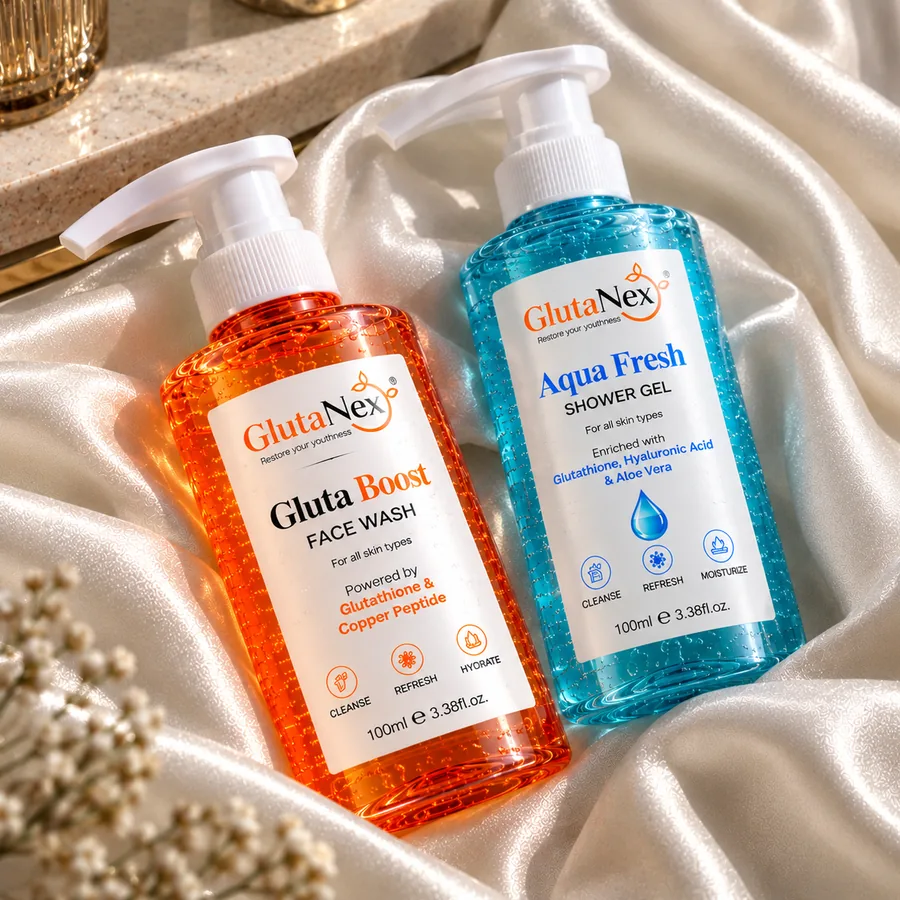
- Cleanse gently at night. A mild face wash such as Gluta Boost Face Wash, lukewarm water, then pat dry.
- Apply a pea-sized amount of the glutathione cream. If it already contains ceramides, you do not need a separate ceramide serum.
- Start 2 to 3 nights a week if the cream has retinol or salicylic acid, and build up only if skin stays comfortable.
- Moisturise on the other nights, or on top if you feel dry. Our guide on moisturiser with glutathione cream shows the order.
- Sunscreen every morning, SPF 30 or higher, even indoors near windows.
Mistakes to avoid
- Thinking more cream means more barrier. A thick layer can clog pores in humid weather. A thin layer is enough.
- Fixing a damaged barrier with more actives. If your skin burns, peels or turns red, stop the active for a few nights and use only a plain moisturiser. See glutathione cream burning.
- Hot water and harsh soap. They strip the same lipids your cream is trying to support.
- Expecting ceramides to lighten tone. They help comfort and texture; tone changes slowly and only with sun protection.
Dry skin? Our guide on glutathione cream for dry skin goes further, and glutathione and hyaluronic acid covers the other hydrating partner.
- Khanna R, Rambhia P, Chapas A. Systematic review of the efficacy and safety of topical glutathione in dermatology. J Clin Aesthet Dermatol. 2025;18(9):51-54.
General information about cosmetic skincare, not medical advice. Results vary from person to person. See a dermatologist for persistent or changing pigmentation.
More glutathione guides
Glutathione: what it is, what it does for skin, and how to use it safely
The complete guide: what glutathione is, how it affects skin, every form compared, and the research.
GuideGlutathione and peptides together: what peptides do and how to use both
Can you use glutathione and peptides together? What cosmetic peptides are, what they can realistically do, why glutathione is itself a peptide, and how to use both.
GuideGlutathione shower gel: what it can and cannot do for your skin
What a glutathione shower gel does in a rinse-off product, what to expect from it, how to use it and how it fits with a leave-on glutathione cream.
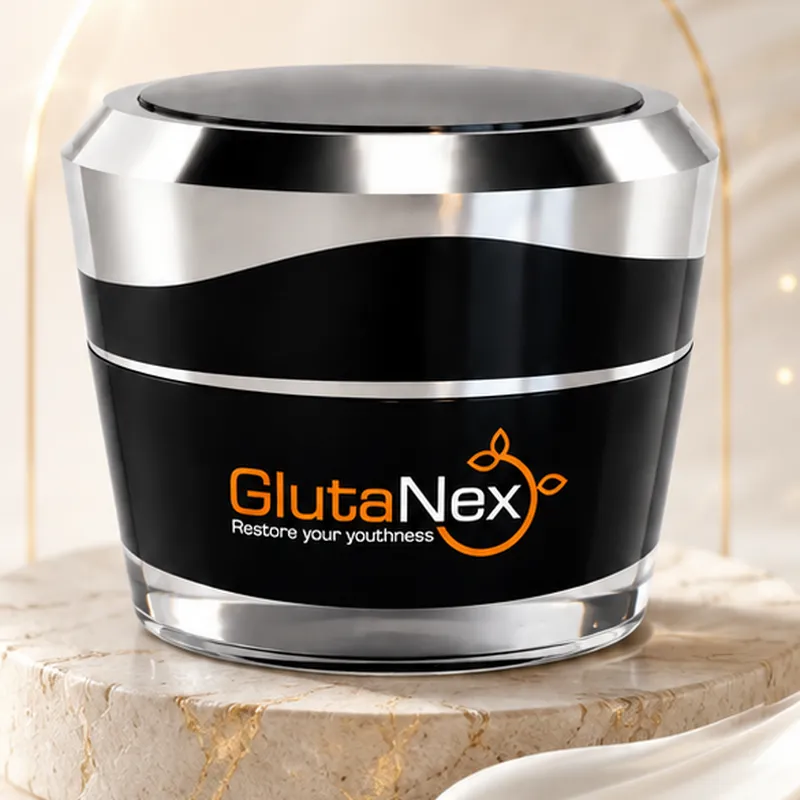 Night Cream
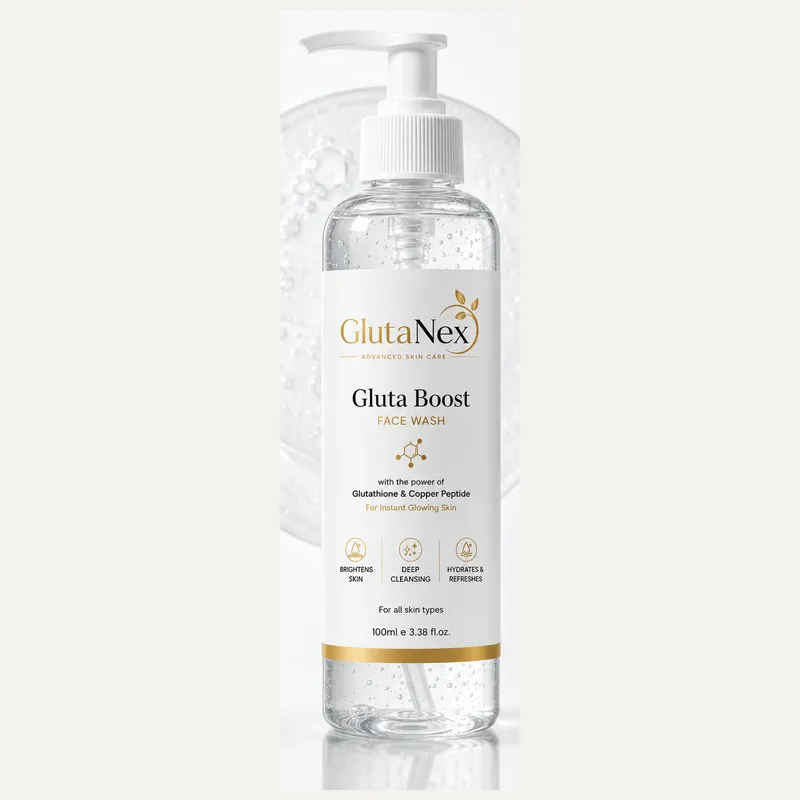 Face Wash
 Glow Duo
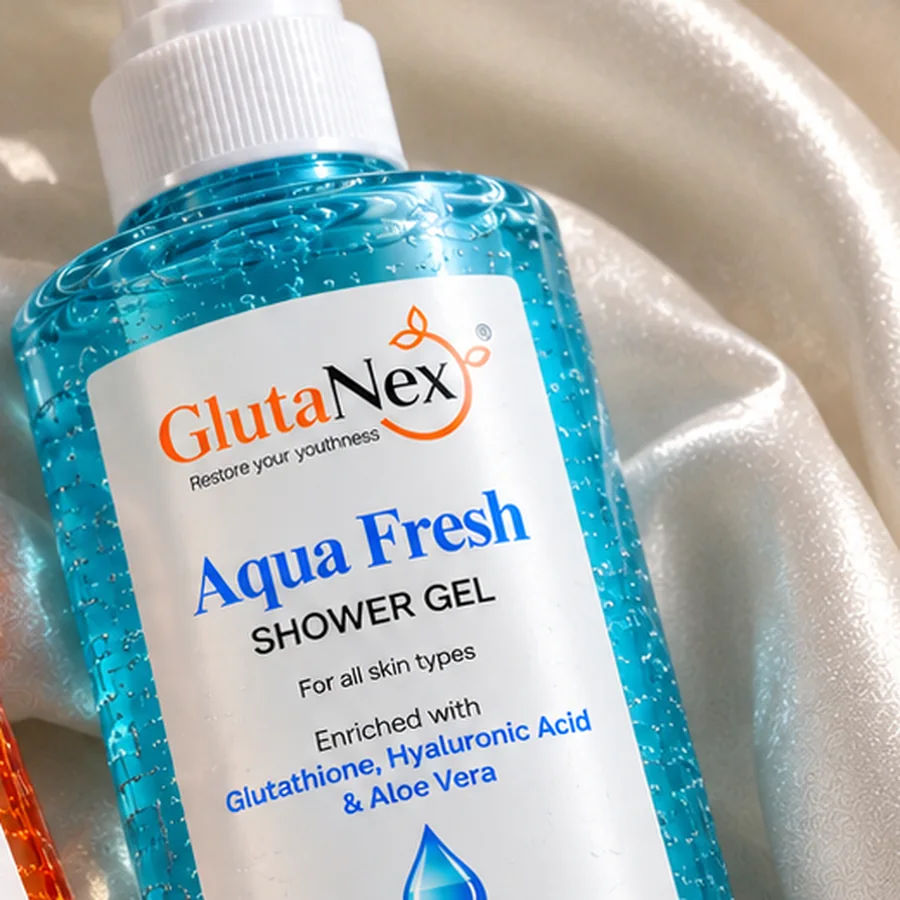 Shower Gel
 Wash + Gel Combo
 Cream + Gel Combo
 Glow Trio