
Glutathione and aloe vera together: what each does and how to use both
Can you use glutathione and aloe vera together? What aloe does in a cream, cream vs fresh aloe gel from the plant, and a simple night routine for Indian skin.
Can I use glutathione and aloe vera together?
Yes. Glutathione and aloe vera work well together and are often in the same cream. Glutathione is used for a brighter, more even-looking tone over weeks, while aloe vera is a soothing, lightweight hydrating ingredient that helps skin feel comfortable. Aloe does not weaken glutathione, so you can use both in one routine.
Should I apply aloe vera gel before or after glutathione cream?
Apply the thinner product first. A light aloe gel goes on clean skin first; let it dry for a minute, then apply a pea-sized amount of glutathione cream. If your glutathione cream already contains aloe vera, a separate gel is optional and mainly useful on dry or warm, tired-feeling skin.
Does aloe vera with glutathione make skin fair?
No. Neither ingredient changes the skin colour you were born with. Used with daily sunscreen, a glutathione cream can help skin look brighter and help tan and dark marks look lighter slowly, over 8 to 12 weeks, while aloe mainly keeps skin comfortable.
Glutathione and aloe vera can be used together, and they are often found in the same cream. Glutathione is used for a brighter, more even-looking tone over weeks, while aloe vera is a soothing, lightweight hydrating ingredient that helps skin feel calm and comfortable. They do different jobs, so they suit each other well.
This guide explains what each one does, how a cream with aloe differs from fresh gel cut from the plant, and how to layer them in Indian heat, humidity and winter.
Glutathione vs aloe vera at a glance
| Glutathione | Aloe vera | |
|---|---|---|
| What it is | An antioxidant made of three amino acids; the body makes it every day | The clear gel from the leaf of the aloe plant, mostly water |
| Main cosmetic job | Brighter, more even-looking tone over weeks | Light hydration and a soothing, cooling feel |
| How fast you notice it | Slowly; tone needs 8 to 12 weeks with sunscreen | Comfort can feel better the same night |
| Main downside | Works slowly; does not change natural skin colour | Some people react to the plant; raw gel can sting |
What aloe vera actually does in skincare
Aloe vera is used in creams, gels and face washes because it feels light and cooling and helps skin hold on to some water. It is a popular choice in India for skin that feels hot or tight after a day outdoors, a long commute or time in an AC office.
Keep expectations simple. Aloe is a comfort and hydration ingredient. It is not proven to remove pigmentation, clear acne or lighten skin, so do not buy a cream for its aloe alone.
What glutathione adds
Glutathione is the ingredient chosen for a brighter, more even-looking tone. A 2025 review called topical glutathione promising but noted the studies are small and short (Khanna et al., J Clin Aesthet Dermatol 2025). It works slowly and shows its best only with daily sun protection. Read glutathione benefits for skin for what it can and cannot do.
Cream with aloe vs fresh aloe gel from the plant
| Cream with aloe vera | Fresh gel from the plant | |
|---|---|---|
| Consistency | Same texture and amount every time | Varies by plant and leaf |
| Irritation risk | Lower, but a patch test is still needed | Higher; the yellow layer just under the leaf skin can sting or cause a rash |
| Shelf life | Preserved, follow the pack | Spoils quickly; use the same day, do not store for days |
| Hydration | Aloe plus other moisturising ingredients | Light hydration only; often needs a cream on top in winter |
If you use fresh gel, take it only from the clear inner part, rinse off the yellow sap, patch test on the jawline first, and never mix it with lemon, toothpaste or baking soda.
How the pair fits in GlutaNex Night Cream
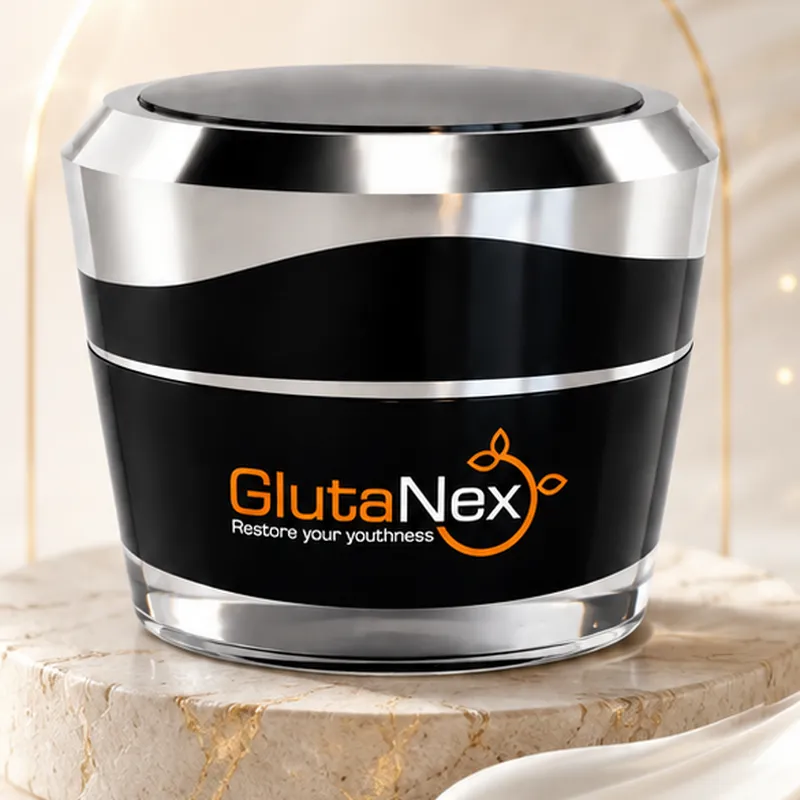
GlutaNex Glutathione Night Cream contains glutathione and aloe vera together, along with niacinamide, vitamin C, hyaluronic acid, ceramides, peptides, turmeric, neem, retinol and salicylic acid. Because of the retinol and salicylic acid, it is a night-only cream, so a separate aloe gel is optional. Full details are in glutathione cream ingredients.
How to use glutathione and aloe vera together
- Patch test both. Apply a little on the jawline for two nights before the whole face.
- Cleanse gently at night with a mild face wash and lukewarm water, then pat dry.
- Optional: a thin layer of aloe gel if your skin feels hot, tight or tired. Let it dry for about a minute.
- Apply a pea-sized amount of the glutathione cream over the face, avoiding the eye area and lips.
- Start 2 to 3 nights a week if the cream has retinol or salicylic acid. On the nights in between, plain aloe gel or a simple moisturiser is enough. See glutathione cream and moisturizer.
- Sunscreen every morning, SPF 30 or higher. Read glutathione cream with sunscreen.
Adjusting the pair through the Indian year
| Season or skin | What to do |
|---|---|
| Summer and humid months | Aloe gel alone is often enough on off nights; keep the cream layer thin. See glutathione for oily skin. |
| Winter and AC rooms | Aloe alone is too light; use it under a cream, not instead of one. See glutathione cream for dry skin. |
| After a day in the sun | Cool the skin with aloe that night and skip retinol creams if it feels warm or red. |
| Sensitive skin | Add one product at a time, two weeks apart, so you know which one suits you. |
Comfort can improve within days. A more even-looking tone takes 8 to 12 weeks of steady use with sunscreen; read how long glutathione takes to work.
Who should be careful
- Allergy-prone skin: aloe is gentle for most people, but some react to it. Stop if you get itching, redness or bumps. See glutathione cream for sensitive skin.
- Pregnancy or breastfeeding: plain aloe gel is usually fine on skin, but a cream with retinol is not for this time unless your doctor says it is fine.
- Burns, open wounds, eczema or persistent rashes: see a doctor or dermatologist. A cosmetic cream is not a treatment.
- Khanna R, Rambhia P, Chapas A. Systematic review of the efficacy and safety of topical glutathione in dermatology. J Clin Aesthet Dermatol. 2025;18(9):51-54.
General information about cosmetic skincare, not medical advice. Results vary from person to person. See a dermatologist for persistent or changing pigmentation.
More glutathione guides
Glutathione: what it is, what it does for skin, and how to use it safely
The complete guide: what glutathione is, how it affects skin, every form compared, and the research.
GuideRose water with glutathione cream: can you use both, and in what order?
Can you use rose water with glutathione cream? The right order, how long to wait, what to avoid mixing in, and a simple night routine for Indian skin.
GuideGlutathione cream with multani mitti: can you use both, and in what order?
Can you use a multani mitti face pack with glutathione cream? What the clay does, which nights to use each, what not to mix in, and a weekly plan for Indian skin.
 Night Cream
 Face Wash
 Glow Duo
 Shower Gel
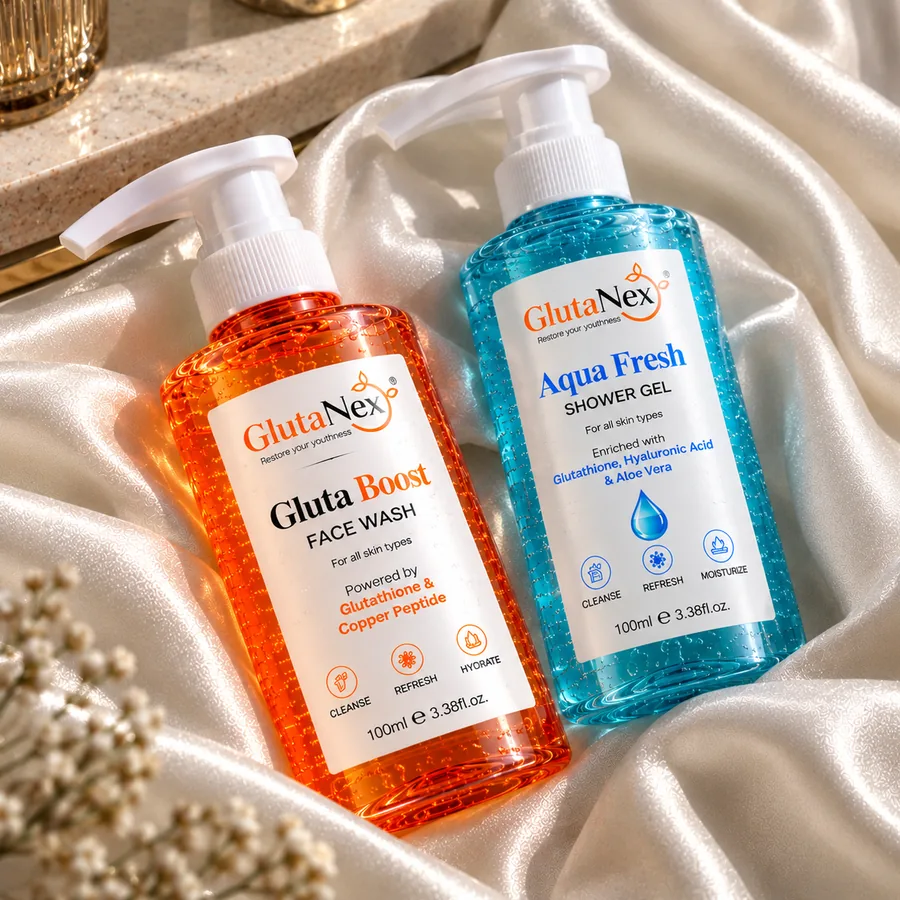 Wash + Gel Combo
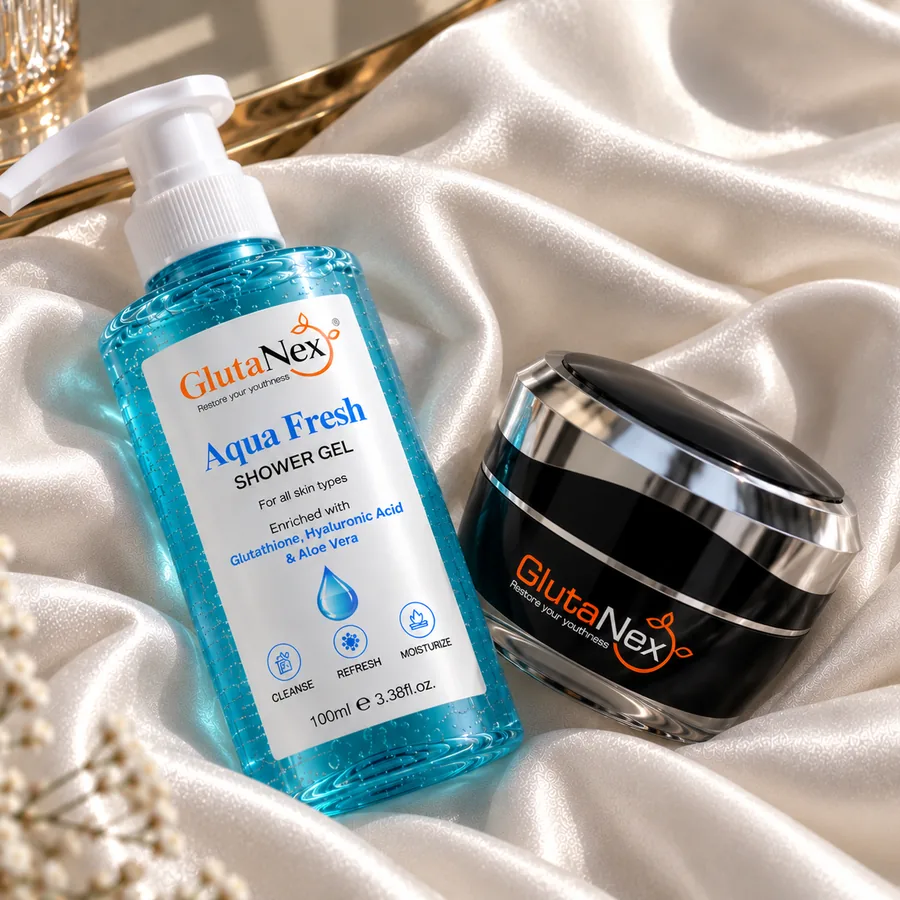 Cream + Gel Combo
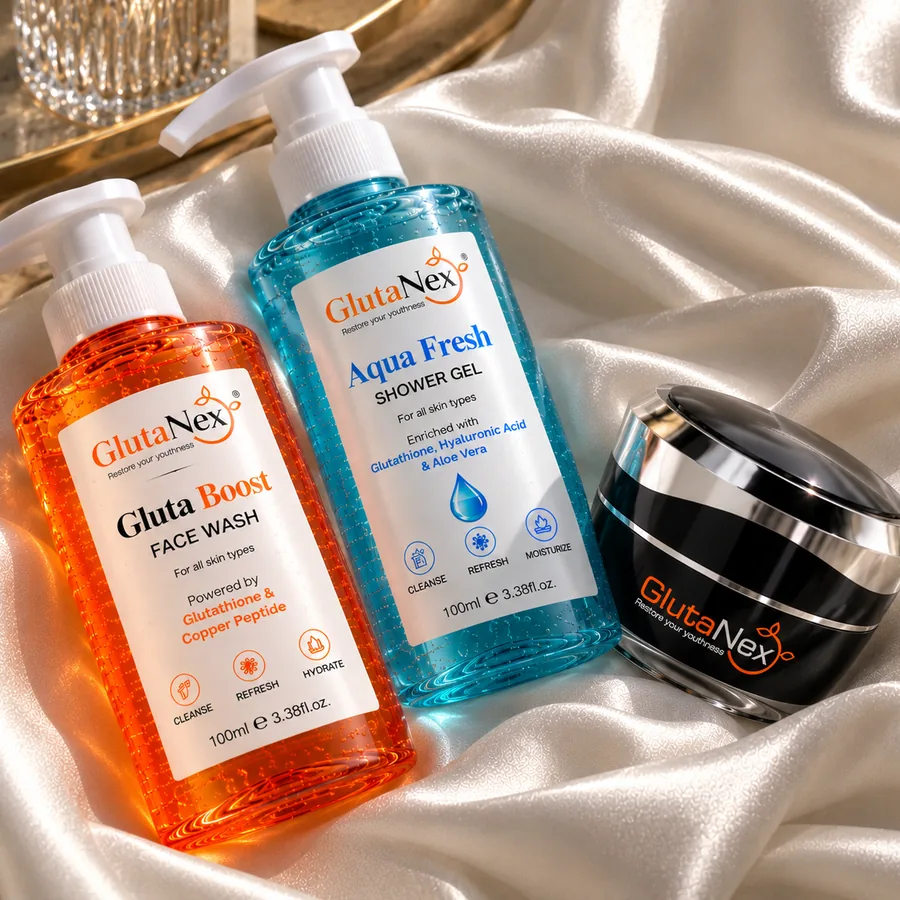 Glow Trio