
Glutathione cream with petroleum jelly: can you use both, and in what order?
Can you put petroleum jelly over glutathione cream? When a thin layer helps dry winter skin, why to avoid it over a retinol night cream in the first weeks, and who should skip it.
Can I use petroleum jelly with glutathione cream?
Yes, as separate layers: the cream first, then a very thin layer of plain petroleum jelly only on dry spots such as the sides of the nose or cracked cheeks. With a retinol night cream like GlutaNex, skip the jelly layer for the first few weeks and use it mainly on rest nights.
Should I apply petroleum jelly before or after glutathione cream?
After. Petroleum jelly forms a seal that stops water leaving the skin, so anything you put on top of it barely reaches the skin. Apply the cream on clean skin, wait a few minutes, then add the jelly only where you need it.
Does petroleum jelly with glutathione make skin fair?
No. Petroleum jelly only helps skin hold moisture and feel softer. A glutathione cream with daily sunscreen may help tan and dark marks look lighter slowly over 8 to 12 weeks. Neither changes your natural skin colour.
You can use petroleum jelly with glutathione cream, but in the right order: the cream first on clean skin, then a very thin layer of plain petroleum jelly only on the spots that feel dry and tight. With a night cream that contains retinol and salicylic acid, such as GlutaNex, keep the jelly away from freshly applied cream in the first few weeks, because a seal on top can make the actives feel stronger.
A small tub of white petroleum jelly sits in many Indian homes for cracked heels and chapped lips, and as the air turns dry in November, people naturally start dabbing it on the face too. This guide explains when that helps, when it does not, and how to combine it with a glutathione cream without irritation.
Petroleum jelly vs glutathione cream at a glance
| Plain petroleum jelly | Glutathione cream | |
|---|---|---|
| Main cosmetic job | Occlusive: seals in moisture, protects very dry or chapped spots | Brighter, more even-looking tone over weeks |
| Where it goes | Last layer, small areas only | Thin layer on clean face as the night step |
| Texture | Thick, greasy, does not absorb | Spreads and absorbs as a cream |
| Main downside | Heavy in humid weather, traps sweat and oil, stains pillows | Works slowly; needs sunscreen every morning |
| What it cannot do | Fade spots or tan, or "boost" the cream | Change your natural skin colour |
The right order on a dry night
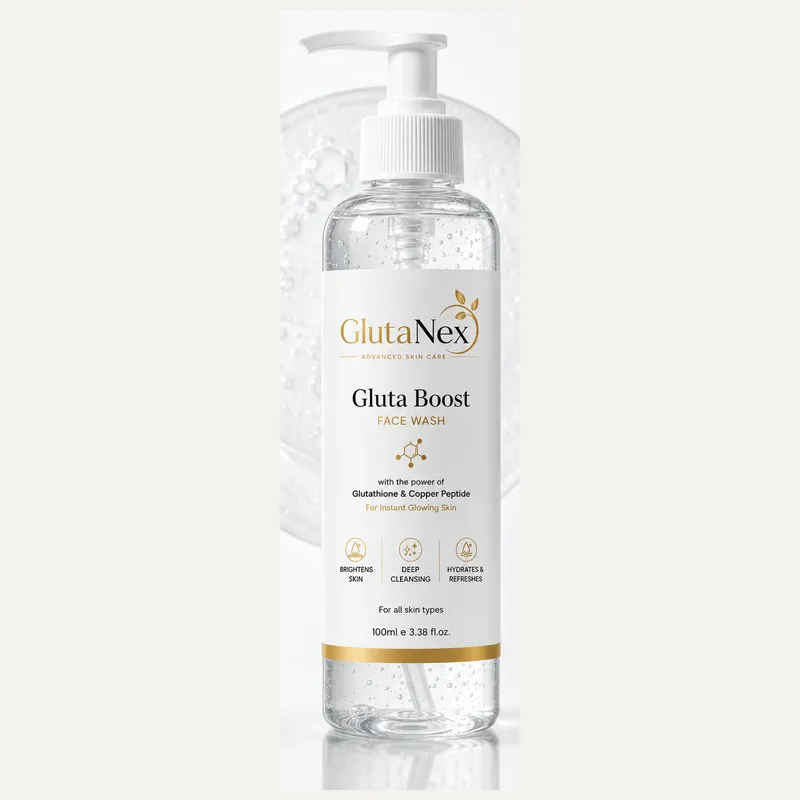
- Cleanse with a gentle face wash such as Gluta Boost Face Wash and pat the face almost dry.
- Wait 10 to 15 minutes if you use a retinol cream and your skin is sensitive. Completely dry skin tolerates retinol better.
- Apply the glutathione cream as a thin, pea-sized layer over the face, away from the eyes, lips and corners of the nose.
- Let it settle for a few minutes.
- Dab a rice-grain amount of petroleum jelly only where you need it: flaky patches, the edges of the nostrils during a cold, or the outer cheeks in heater rooms. Press, do not rub.
- Sunscreen every morning, SPF 30 or higher.
Never put the jelly first. A layer of petroleum jelly under the cream blocks it from reaching the skin, so you are paying for a cream that sits on top of grease. For the general layering rules, see how to use glutathione cream and glutathione cream and moisturizer.
A special note on GlutaNex Night Cream
GlutaNex Glutathione Night Cream contains glutathione, niacinamide, hyaluronic acid, vitamin C, retinol, ceramides, salicylic acid, peptides, aloe vera, turmeric and neem. It already has ceramides and hyaluronic acid for comfort, so most people do not need petroleum jelly over the whole face.
- The cream is for night only because of the retinol and salicylic acid. Start it 2 to 3 nights a week.
- Covering a retinol cream with a thick seal (sometimes called "slugging") can make it feel stronger and increase redness or peeling, especially in the first 4 to 6 weeks. Avoid slugging over the Night Cream while your skin is still getting used to it.
- A better plan for dry skin: on Night Cream nights, use the jelly only on small patches away from where the cream went. On rest nights, apply a plain moisturiser and then a thin layer of petroleum jelly on dry areas.
- Protect the lips and the corners of the nose: dab petroleum jelly there before the cream so the retinol does not spread onto them. This is the one place where jelly goes first.
- If the cream stings, wash it off and read glutathione cream burning.
Which skin types and seasons suit it
| Skin type or season | Petroleum jelly over cream? |
|---|---|
| Dry skin in a North Indian winter or heater room | Yes, a thin layer on dry patches. See glutathione cream in winter |
| Normal or combination skin | Only on flaky spots, never on the T-zone |
| Oily skin, coastal or humid cities | Usually not needed; it feels heavy and traps sweat |
| Acne-prone skin | Keep it off areas where you break out. See can glutathione cream cause pimples |
| First weeks of a retinol cream | Only on rest nights or on the lips and nose corners |
| Freshly waxed, threaded, sunburnt or broken skin | Skip the active cream; a little plain jelly on the irritated area is fine |
If your whole face feels dry and tight, a richer moisturiser usually works better than a full-face layer of jelly; read glutathione cream for dry skin.
Choosing and using petroleum jelly well
- Use plain white petroleum jelly with no added fragrance or colour. Scented "jelly creams" and coloured balms add things your face does not need.
- Take it out with a clean, dry finger or a cotton bud, and close the tub tightly. Do not double-dip after touching your face.
- A rice-grain amount covers the side of the nose. More only means a greasy pillow.
- Wash your pillow cover more often when you use jelly at night.
- Do not use it to "seal in" home remedies such as lemon, toothpaste or baking soda. Trapping harsh things on skin makes irritation worse.
What to expect, honestly
A thin layer of petroleum jelly can make dry, flaky spots feel calmer and softer by morning, especially in heater rooms and on cold, dry days. It does not fade dark spots, tan or acne marks, and it does not make a glutathione cream "work faster". Tone changes, if they come, come from steady use of the cream plus daily sunscreen over 8 to 12 weeks; read how long glutathione takes to work for realistic timelines.
When to see a dermatologist
See a dermatologist if dry patches crack and bleed, itch a lot, look red and scaly around the nose and eyebrows, or keep coming back despite moisturising. These can be eczema or other conditions that need proper diagnosis rather than more layers of cream.
General information about cosmetic skincare, not medical advice. Results vary from person to person. See a dermatologist for persistent or changing pigmentation.
More glutathione guides
Glutathione: what it is, what it does for skin, and how to use it safely
The complete guide: what glutathione is, how it affects skin, every form compared, and the research.
GuideGlutathione cream with sandalwood (chandan): how to use both safely
Can you use a chandan face pack with glutathione cream? The right order, why not to mix chandan powder or oil into the cream, who should skip it, and what sandalwood can and cannot do.
GuideGlutathione cream with saffron (kesar): how to use both, and what kesar can really do
Can you use a kesar pack or kesar milk with glutathione cream? The right order, why not to stir saffron into the jar, how to avoid fake kesar, and honest expectations.
 Night Cream
 Face Wash
 Glow Duo
 Shower Gel
 Wash + Gel Combo
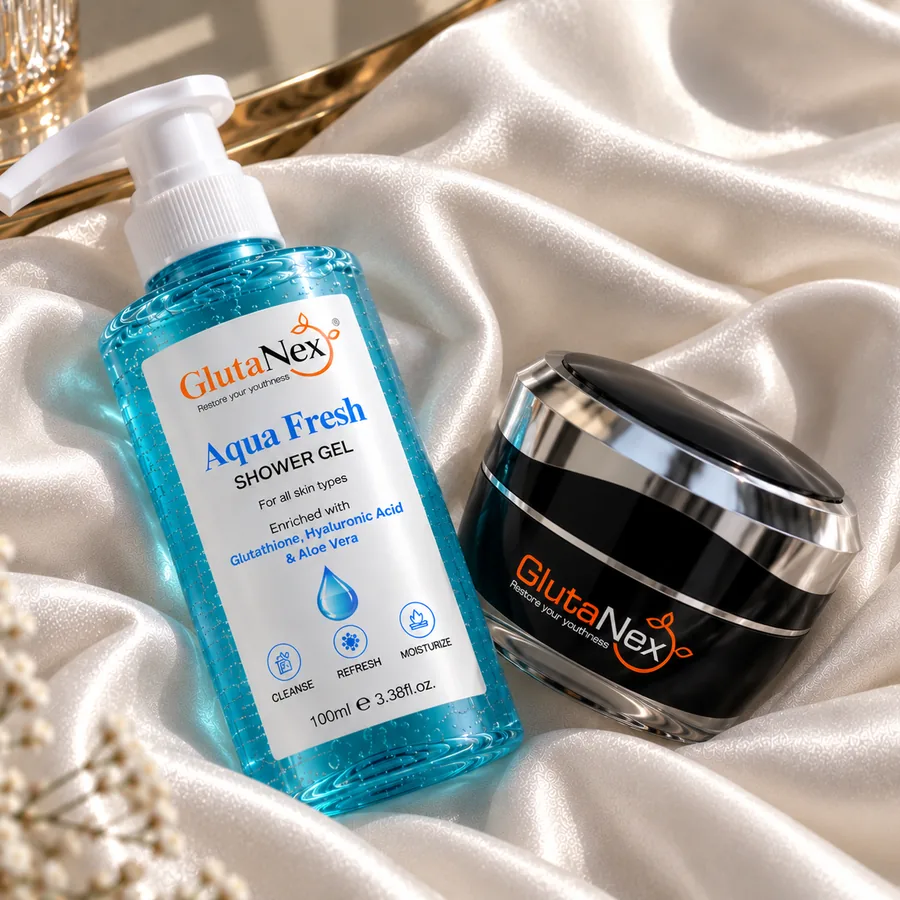 Cream + Gel Combo
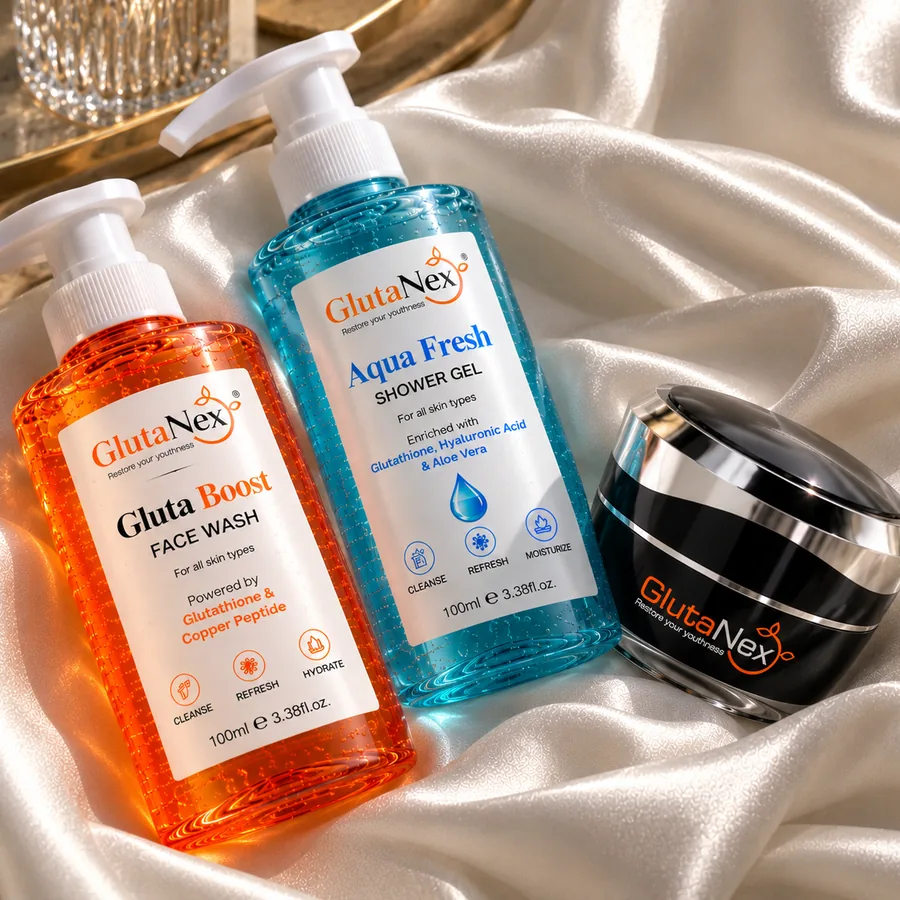 Glow Trio