
Glutathione cream with bakuchiol: can you use them together, and do you need both?
Can you use bakuchiol with glutathione cream? You can, but if your glutathione night cream already contains retinol you rarely need both. How to choose, how to layer, and how bakuchiol differs from babchi oil.
Can I use bakuchiol with glutathione cream?
Yes, the two ingredients are not known to clash, and many people use them together. But if your glutathione night cream already contains retinol, adding bakuchiol on the same night is usually unnecessary. A simpler choice is to use one of them each night, or keep bakuchiol for nights you skip the retinol cream.
Is bakuchiol the same as retinol?
No. Bakuchiol is a plant-derived ingredient, often described as a gentler alternative to retinol, but it is a different molecule and works in its own way. It is usually less irritating, which is why people with sensitive skin or those who cannot use retinol often choose it.
Is bakuchiol the same as babchi oil?
No. Bakuchiol is a purified ingredient taken from babchi (Psoralea corylifolia) seeds. Raw babchi oil also contains other compounds that can make skin very sensitive to sunlight, so do not put raw babchi oil on your face in place of a bakuchiol product.
You can use bakuchiol with glutathione cream, but if your glutathione night cream already contains retinol, you rarely need both on the same night. Bakuchiol is mostly used as a gentler alternative to retinol, so the simplest routine is to pick one per night: the retinol glutathione cream on some nights, and bakuchiol (or just a moisturiser) on the others.
Bakuchiol has become a popular "plant retinol" ingredient in serums and creams sold in India. Here is how it fits with a glutathione night cream such as GlutaNex Glutathione Night Cream, which contains retinol, salicylic acid, niacinamide, hyaluronic acid, vitamin C, ceramides and other ingredients.
What bakuchiol is, in plain words
Bakuchiol is an ingredient taken from the seeds of the babchi plant (Psoralea corylifolia). In skincare it is used for smoother-looking, more even-looking skin and is often described as a retinol alternative because people use it for similar cosmetic goals. It is not retinol and is not converted into retinol in the skin. Its main appeal is that many people find it gentler, with less dryness and peeling.
Purified bakuchiol is not the same as raw babchi oil or babchi powder used in home remedies. Raw babchi preparations contain other compounds that can make skin react strongly to sunlight. Do not apply them to your face as a substitute.
Retinol glutathione cream vs bakuchiol: which one when?
| Your situation | Better choice | Why |
|---|---|---|
| You already use a glutathione night cream with retinol and your skin is comfortable | Keep the cream; bakuchiol is optional | Retinol already covers the same cosmetic goal |
| Retinol makes your skin dry or flaky on some nights | Retinol cream on 2 to 3 nights, bakuchiol or plain moisturiser on the others | Gives skin rest days while keeping a routine |
| Pregnant or breastfeeding | Ask your doctor before using either | Retinol should be avoided unless your doctor says it is fine; ask about bakuchiol too |
| Very sensitive or reactive skin | Patch test bakuchiol first, start slowly | Usually gentler, but any new ingredient can irritate |
| You want the simplest possible routine | One product only | Fewer layers means less chance of irritation and less spending |
If you want to use both: a simple routine
- Retinol nights (2 to 3 a week to start): cleanse with a gentle face wash such as Gluta Boost Face Wash, dry the face fully, then a pea-sized amount of the glutathione night cream. No bakuchiol on these nights.
- Other nights: cleanse, then a bakuchiol serum or cream as its label says, followed by a moisturiser if your skin feels tight.
- Every morning: broad-spectrum sunscreen. The retinol cream makes skin more sun-sensitive, and sunscreen is the main daily step for tan and dark marks.
- Same-night layering (only if your skin is used to both): bakuchiol first, wait a few minutes, then a thin layer of the night cream. Stop if you get stinging or peeling.
For the order of other products, see how to use glutathione cream and glutathione cream and moisturiser.
Bakuchiol in Indian weather
In humid months, two serums and a cream can feel heavy and may lead to sweat bumps or clogged pores. Many people do better with one active a night and a light moisturiser. In dry winters and in AC rooms, alternating nights also helps, because retinol dryness shows up faster when the air is dry. Our guides to glutathione cream in monsoon and glutathione cream in winter cover seasonal changes.
How to pick a bakuchiol product
- Read the full ingredient list. Bakuchiol should be listed by name. Avoid products that do not show a full list.
- Skip big promises. Labels that say whitening, fairness, overnight results or "works like retinol with zero side effects" are a red flag for any product.
- Check the texture for your weather. A light serum or gel suits humid cities; a richer cream may suit dry winters in the north.
- Watch for fragrance and essential oils if your skin is sensitive, especially if you also use retinol.
- Do not double up on exfoliants. Some bakuchiol products also contain acids. With a night cream that already has salicylic acid, extra acids on the same night can be too much.
- Buy a sealed pack from a trusted seller and check the use-before date. Our guide on how to spot a fake glutathione cream has tips that apply to other creams too.
What to expect
Neither bakuchiol nor glutathione changes your natural skin colour. With steady use and daily sunscreen, they can help skin look smoother and more even over weeks, and tan or dark marks may look lighter gradually. Adding more actives does not speed this up; it mainly increases the chance of irritation. For realistic timing, read how long glutathione takes to work.
Other combinations people ask about
If you are comparing ingredients, our guides on retinol vs glutathione, retinol night cream for beginners and glutathione cream with vitamin C serum explain how each one fits into a routine.
When to see a dermatologist
See a dermatologist if you get burning, swelling, a rash, or dark patches after using bakuchiol or a retinol cream, or if you have melasma, eczema or rosacea before adding new actives. Patch test any new product on the jawline for a few nights first.
General information about cosmetic skincare, not medical advice. Results vary from person to person. See a dermatologist for persistent or changing pigmentation.
More glutathione guides
Glutathione: what it is, what it does for skin, and how to use it safely
The complete guide: what glutathione is, how it affects skin, every form compared, and the research.
GuideGlutathione cream: answers to the most-asked questions
Straight answers to what people ask Google about glutathione cream: does it work, daily use, whitening, the best one, retinol and more.
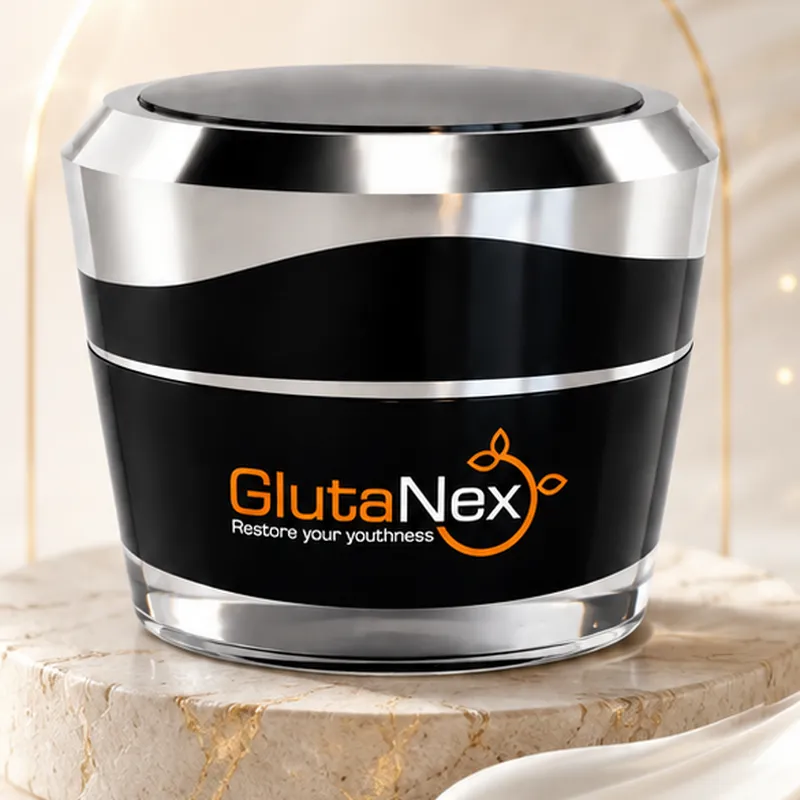 Night Cream
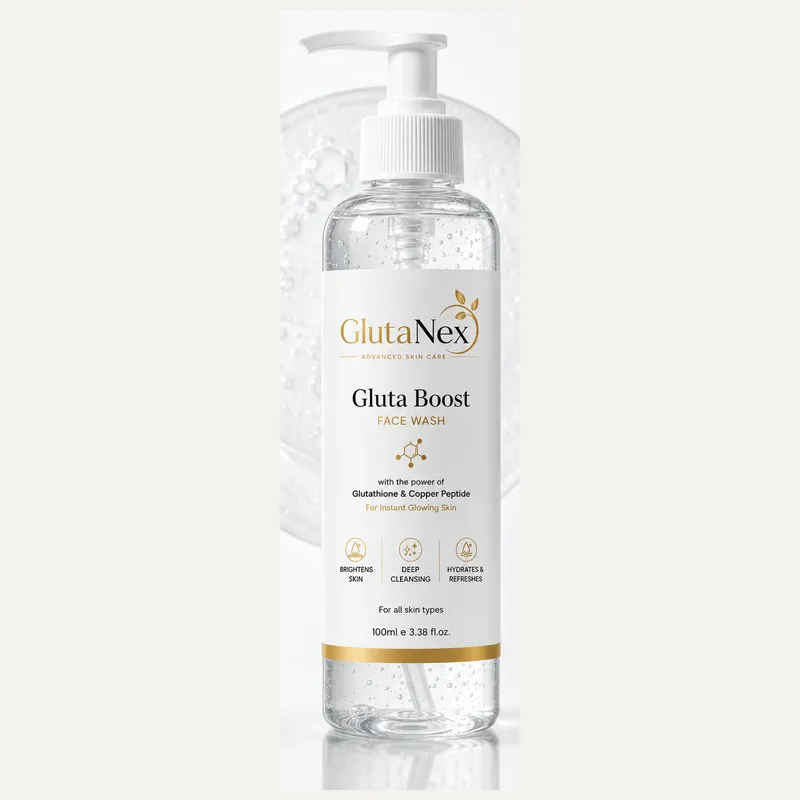 Face Wash
 Glow Duo
 Shower Gel
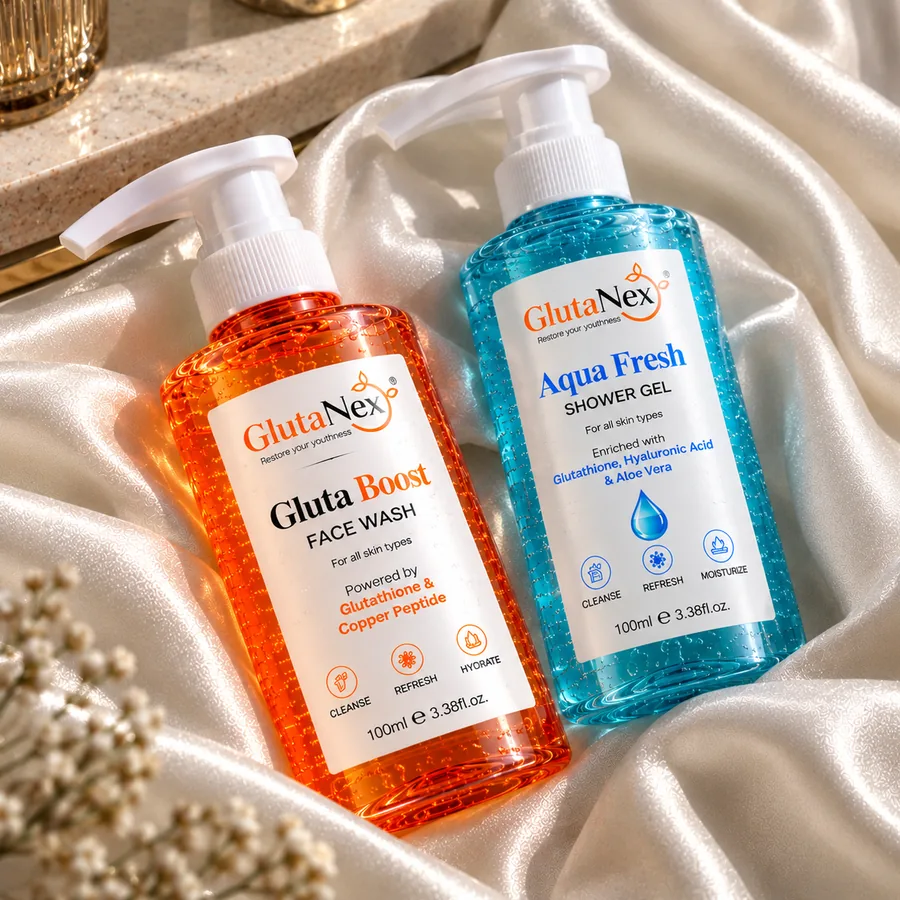 Wash + Gel Combo
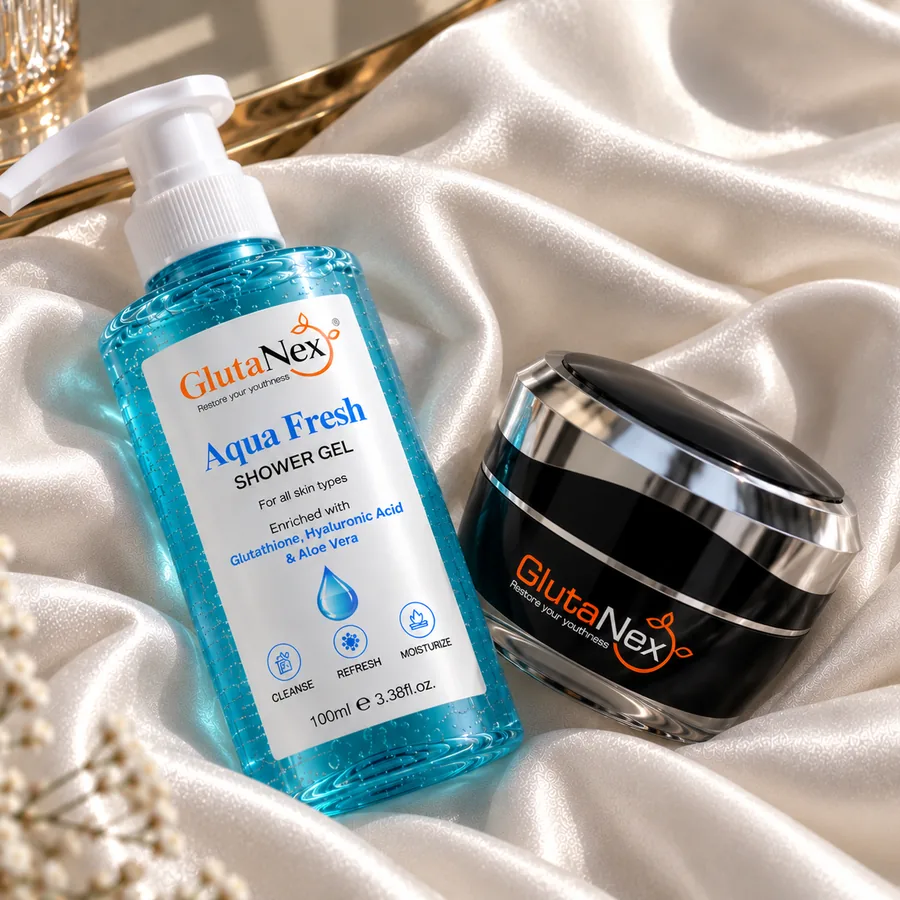 Cream + Gel Combo
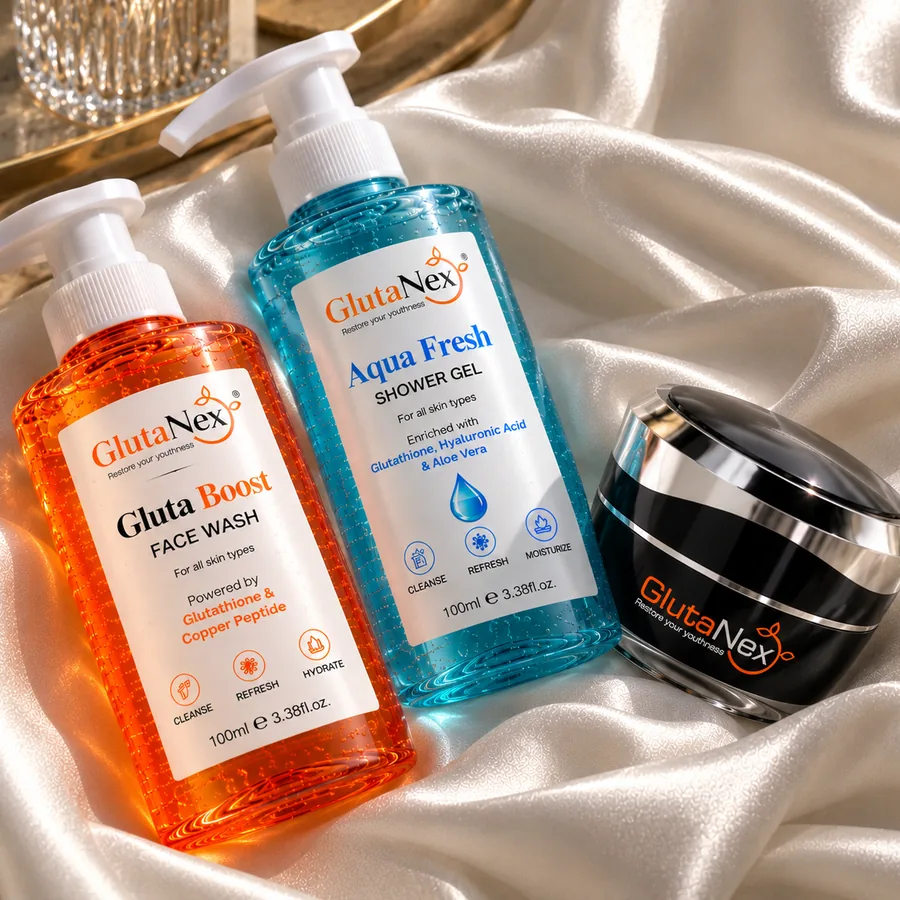 Glow Trio