
Glutathione cream for a dark forehead: causes and a routine that helps
Why the forehead often looks darker than the rest of the face on Indian skin (sun, helmets, caps, hair oil, friction), how a glutathione cream fits in, and when to see a dermatologist.
Does glutathione cream help a dark forehead?
It can help if the darkness comes from tan, acne marks or friction, used at night with sunscreen every morning. Expect a slow change over 8 to 12 weeks. It will not change your natural skin colour, and patchy brown areas like melasma need a dermatologist.
Why is my forehead darker than the rest of my face?
The forehead faces the sun most directly, sweats under helmets and caps, and gets hair oil and hair products on it. Repeated rubbing, old pimple marks and, less often, melasma also darken it. Finding the cause tells you what will actually help.
Can I apply glutathione cream on the forehead every night?
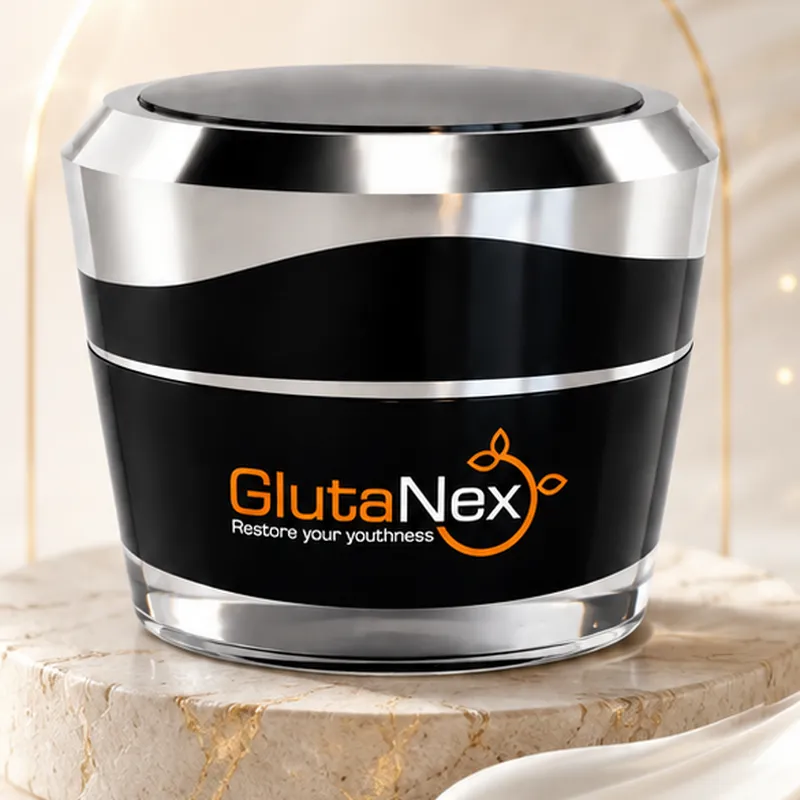
A gentle glutathione cream, usually yes. GlutaNex Night Cream has retinol and salicylic acid, so start it 2 to 3 nights a week and build up only if your skin stays comfortable. Keep it away from the eyebrows and hairline.
A forehead that looks a shade darker than the cheeks is one of the most common complaints on Indian skin, in men and women alike. In most cases it is tan plus friction or hair-product irritation, not a change in your natural colour, which is why it usually responds to steady sun protection and a gentle night routine.
Common causes, and what helps each
| Cause | Clues | What helps |
|---|---|---|
| Sun tan | Even darkening, sharp line at the cap or dupatta edge, worse after summer or a trip | Sunscreen every morning, reapplied outdoors; a night cream with glutathione and niacinamide |
| Helmet, cap or headband | Darker band where the padding sits; sweat and small bumps | Clean helmet lining, a cotton cap or scarf under it, wash the face after long rides |
| Hair oil, gel or dandruff | Bumps and darker skin along the hairline | Keep oil off the forehead, wash it off before bed, manage dandruff |
| Repeated rubbing or pressure | A thicker, darker patch in one spot | Reduce the friction where possible; a soft cloth or mat; moisturise the area |
| Old pimple marks | Flat brown spots where pimples were | No picking; sunscreen; see glutathione for acne marks |
| Hair dye reaction | Itchy, red or dark skin along the hairline after colouring | Stop that dye and see a dermatologist |
| Melasma | Patchy brown or grey-brown areas, often also on cheeks or upper lip | A dermatologist; read glutathione for melasma |
A simple night routine for the forehead
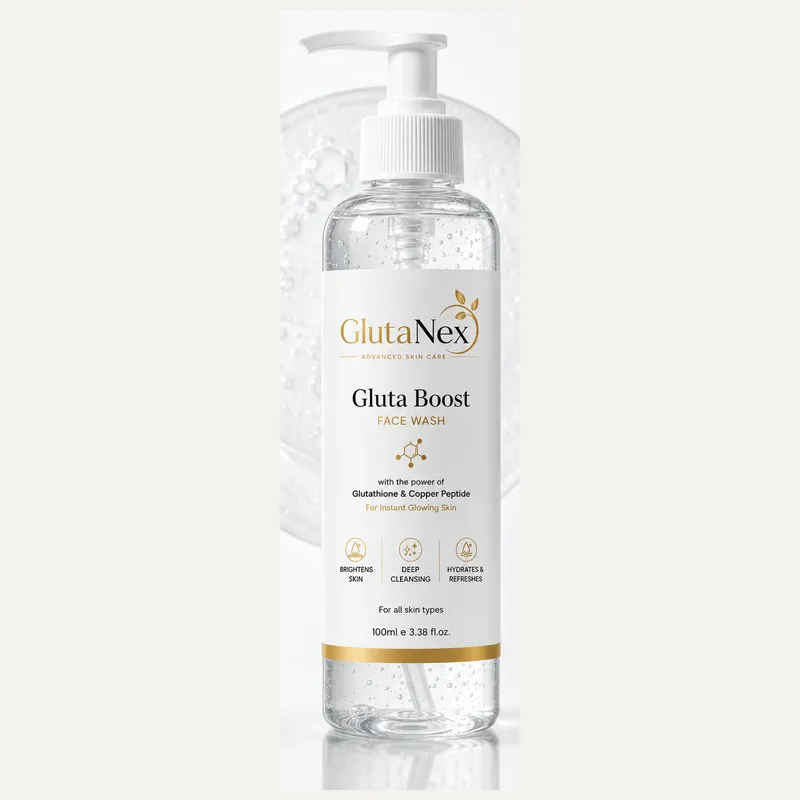
- Wash off the day. Remove sunscreen, sweat and hair oil with a gentle cleanser such as Gluta Boost Face Wash. Pay attention to the hairline.
- Pat dry and wait a few minutes. Actives sting more on damp skin.
- Apply a thin layer of glutathione cream over the forehead and the rest of the face. With GlutaNex Glutathione Night Cream, start with 2 to 3 nights a week; it contains retinol and salicylic acid, so it is for night use only.
- Stop short of the eyebrows and hairline, where skin is thinner and hair-dye residue can react.
- On rest nights, use a plain moisturiser. See glutathione cream and moisturiser.
Spot-applying cream only on the forehead tends to leave a visible edge, so use it on the whole face in a thin layer. For layering basics, read how to use glutathione cream.
Morning: sunscreen does most of the work
The forehead is the first part of the face the sun hits, especially on a two-wheeler or while walking at midday. Without daily sunscreen, any night cream is working against new tan every day.
- Use SPF 30 or higher, about two finger-lengths for the face and neck, and spread it right up to the hairline.
- Reapply every 2 to 3 hours outdoors, or after sweating under a helmet.
- A cap or umbrella helps, but keep the cap band clean.
- Winter haze still lets UV through; see glutathione cream with sunscreen.
Where glutathione fits, honestly
Glutathione is an antioxidant studied for its effect on melanin; reviews in Indian dermatology describe the evidence for creams as modest and say results depend on regular use and sun protection (Sonthalia, Daulatabad & Sarkar, IJDVL 2016). GlutaNex Night Cream also has niacinamide and vitamin C, which are commonly used for dullness and uneven tone, plus ceramides and hyaluronic acid for comfort. Together with sunscreen, this kind of routine may help tan and marks on the forehead look lighter over 8 to 12 weeks. It does not make skin fairer than its natural shade, and a cream that claims to whiten in days is a red flag. See glutathione for dark spots and tan and glutathione cream results for realistic timelines.
Men, riders and outdoor workers
Men who ride daily often have the darkest tan on the forehead and nose. Wipe sweat with a soft cloth instead of rubbing hard, wash the helmet liner every few weeks, and reapply sunscreen at lunch. More on this in glutathione cream for men.
Mistakes that keep the forehead dark
- Scrubbing hard with sugar, coffee or rough besan. Friction can make darkening worse.
- Lemon juice or toothpaste on the skin. Both irritate; see glutathione cream with lemon.
- Leaving hair oil on overnight and letting it run onto the forehead.
- Using a strong night cream every night from day one, which causes peeling and irritation that can leave marks. Read retinol night cream for beginners.
- Expecting quick results. Skin turnover takes weeks.
When to see a dermatologist
See a doctor if the darkening is patchy and spreading, itchy or scaly, started after a new hair dye or medicine, appeared with other changes such as darker velvety skin on the neck, or has not changed after 3 months of sunscreen and gentle care. Patch test any new cream on the jaw or inner arm for 24 to 48 hours first, and avoid retinol creams in pregnancy or while breastfeeding unless your doctor says otherwise.
- Sonthalia S, Daulatabad D, Sarkar R. Glutathione as a skin whitening agent: facts, myths, evidence and controversies. Indian J Dermatol Venereol Leprol. 2016;82(3):262-272.
General information about cosmetic skincare, not medical advice. Results vary from person to person. See a dermatologist for persistent or changing pigmentation.
More glutathione guides
Glutathione: what it is, what it does for skin, and how to use it safely
The complete guide: what glutathione is, how it affects skin, every form compared, and the research.
GuideGlutathione cream for pollution and smog: an honest evening routine
What smog and dust do to skin, how an antioxidant cream like glutathione fits into an evening routine in polluted Indian cities, and the mistakes that make skin worse in smog season.
GuideWedding skincare kit: an 8 to 12 week glutathione routine for brides and grooms
What a simple wedding skincare kit needs (cleanser, night cream, body wash, sunscreen), a week-by-week plan from 12 weeks out, and what to avoid in the last 2 weeks.
 Night Cream
 Face Wash
 Glow Duo
 Shower Gel
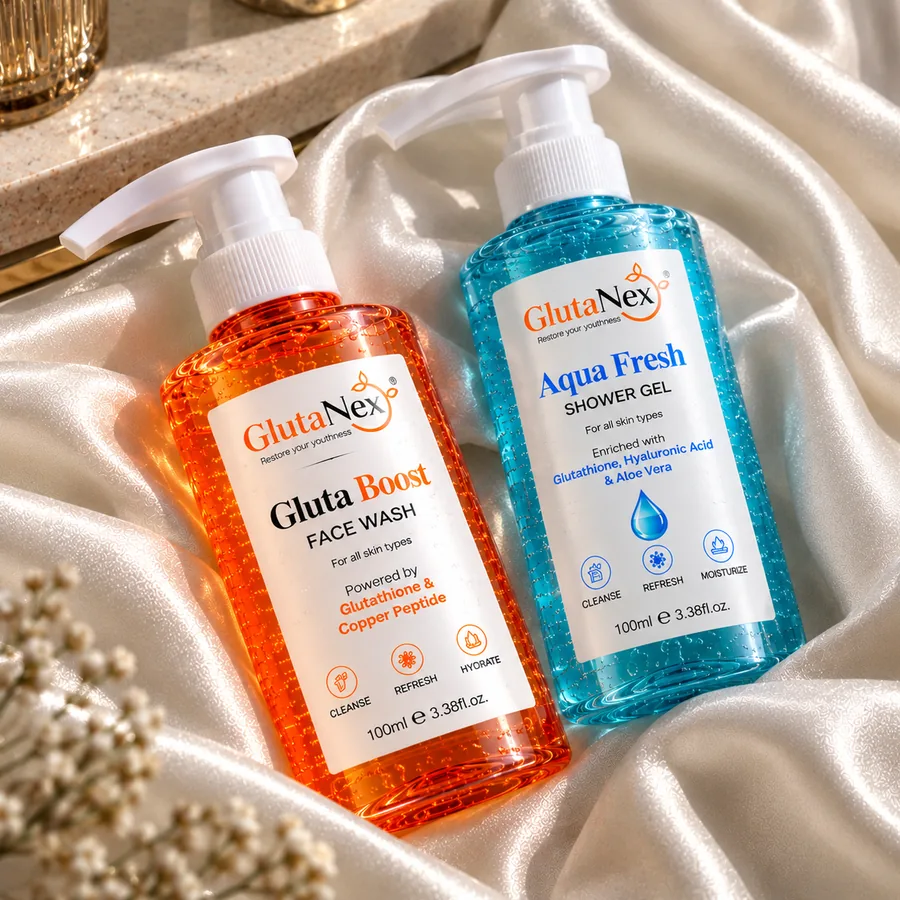 Wash + Gel Combo
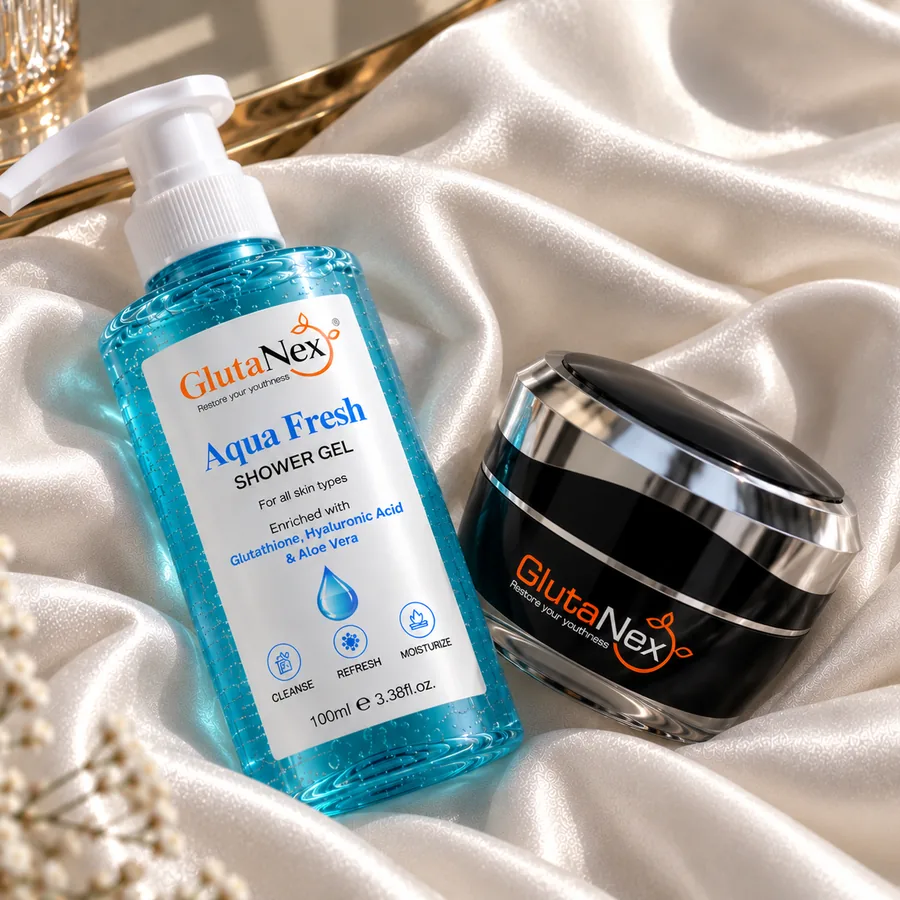 Cream + Gel Combo
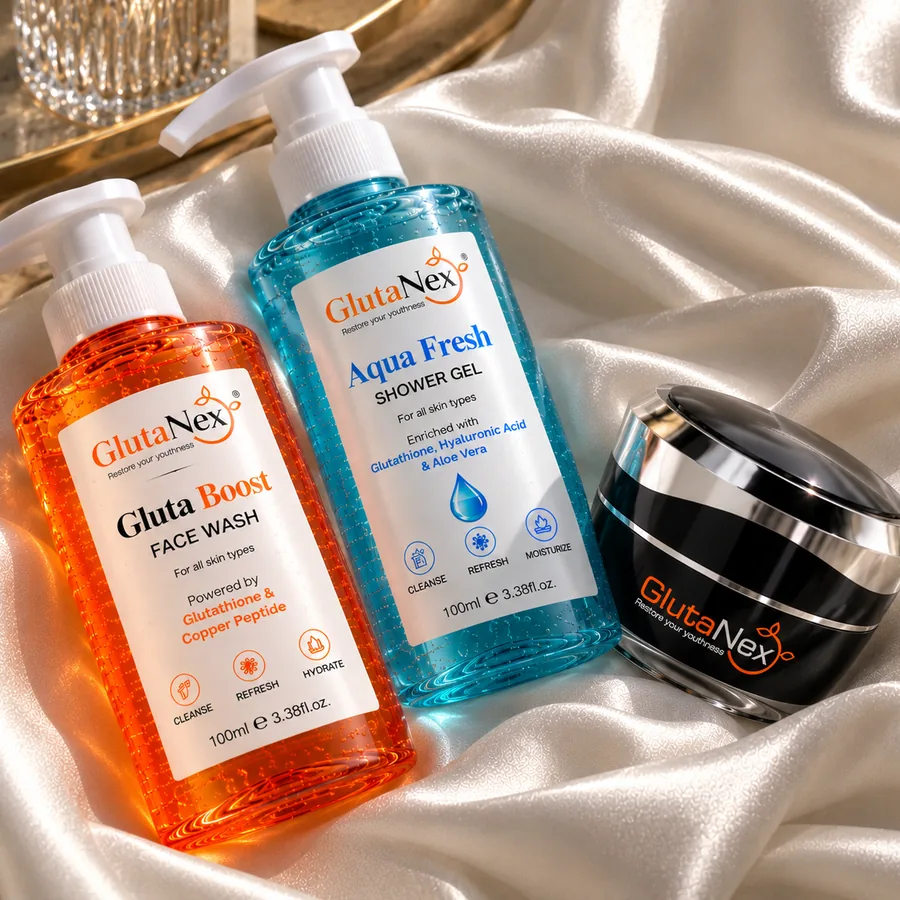 Glow Trio